

No soy protein, no soy lecithin
Soy-Free Protein Powder
Plant protein from pea, brown rice and hemp, with no soy ingredients at all. Both of our proteins are also dairy-free and certified gluten-free.
4.9 average from 553 reviews

Free from
Protein from organic pea, brown rice and hemp.
Choose your protein
Both are soy-free, dairy-free and certified gluten-free. Pick by protein per serving and what else you want in the shake.
-
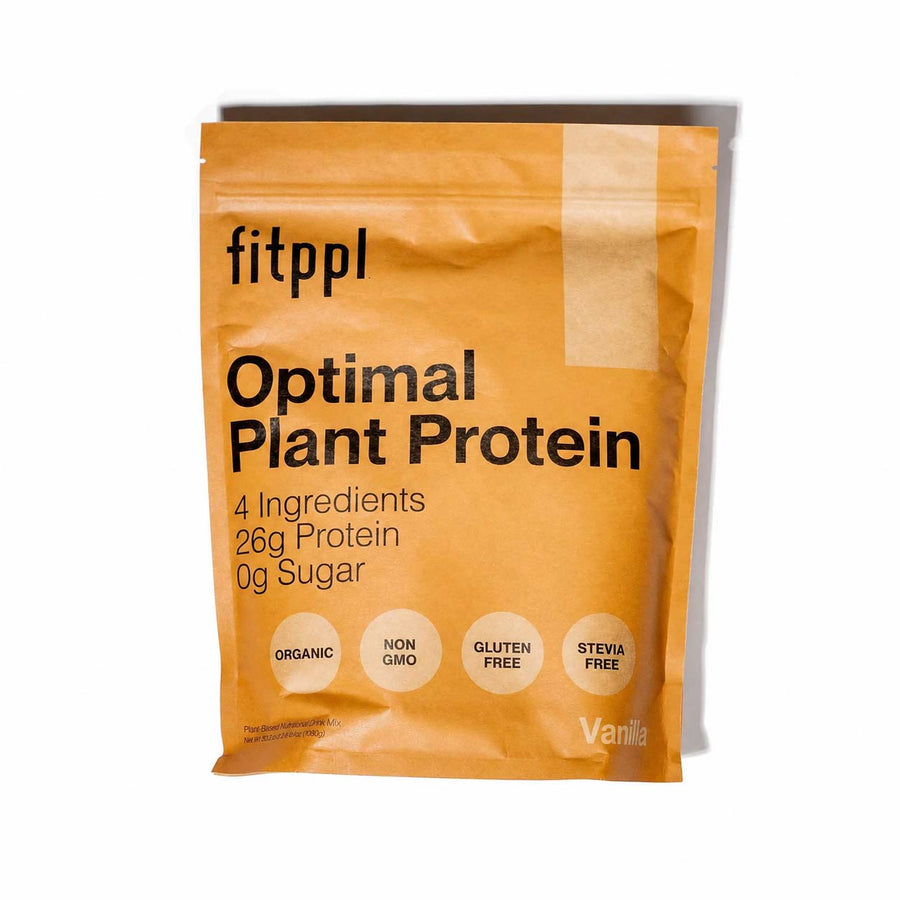
Optimal Plant Protein
Our simplest formula: organic pea and brown rice protein, vanilla and monk fruit.
- Protein
- 26g per serving
- Protein from
- Organic pea and brown rice
- Sweetened with
- Organic monk fruit
- Sugar
- 0g
- Certified
- Organic, Non-GMO, gluten-free
Best for: the most protein from the fewest ingredients.
$69.99$59.49 with subscribe & save
Shop now -
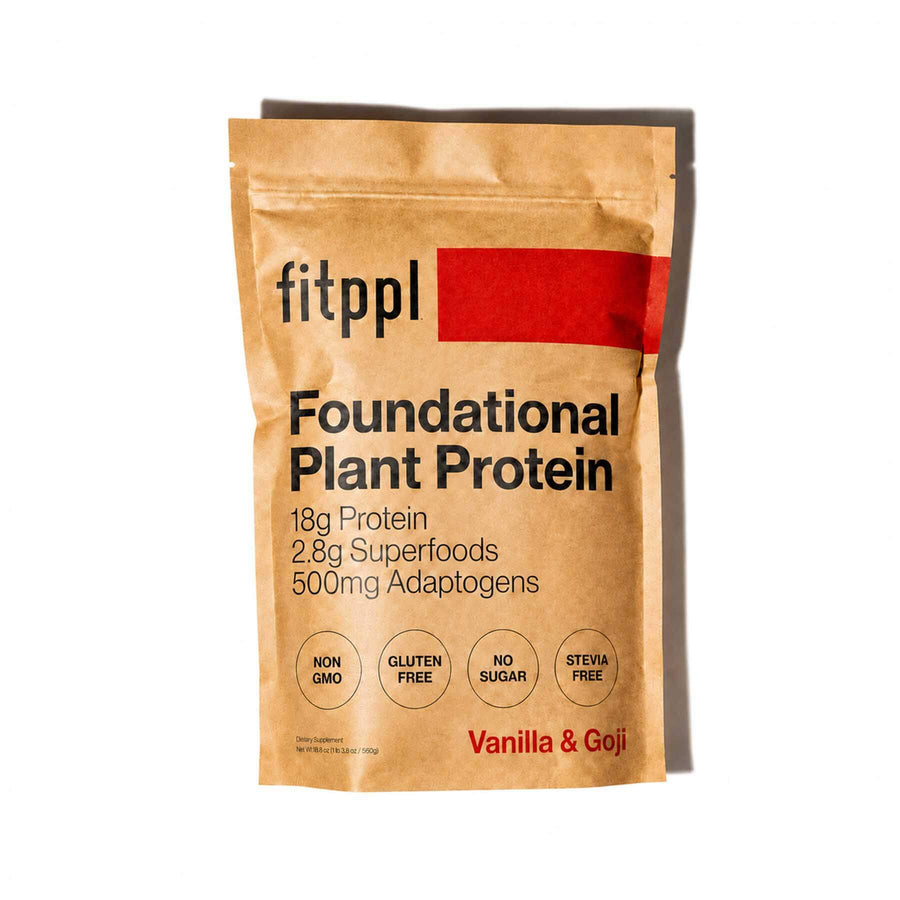
Foundational Plant Protein
Plant protein plus organic greens, fruits and adaptogens in one shake.
- Protein
- 18g per serving
- Protein from
- Organic brown rice, pea and hemp
- Sweetened with
- Monk fruit
- Sugar
- Less than 1g
- Certified
- Non-GMO, gluten-free
Best for: one daily shake that covers more than protein.
$54.99$46.74 with subscribe & save
Shop now
From people who needed to skip something
4.9 average from 553 reviews of our proteins. Quotes from verified buyers.
-
Love it!!
“I've been looking for a vegan/soy-free protein powder for so long and one that's nutrient dense I haven't had any luck until now! Absolutely love the taste too!”
Bre R.Verified buyer · Foundational Plant Protein -
Cleanest protein source
“I looked high and low for a protein source without all the added gums and no stevia (allergy). [fitppl] fit the bill! It tastes good …”
Lisa H.Verified buyer · Optimal Plant Protein -
Best Protein
“Love this protein powder, does not feel heavy and it easily mixes well with everything. Also love the clean ingredients!”
Kamalli G.Verified buyer · Optimal Plant Protein
What makes a protein powder soy-free?
A soy-free protein powder has no ingredients made from soybeans. That rules out soy protein isolate and soy protein concentrate, which are common protein sources, along with soy lecithin and soy flour.
Soy is one of the nine major food allergens in the U.S., so labels have to name it. It shows up either in parentheses after an ingredient, as in "lecithin (soy)", or in a "Contains" statement under the ingredient list.1 The one notable exception is highly refined soybean oil, which falls outside the allergen labeling rules.1
Both fitppl proteins are soy-free. Optimal Plant Protein gets its protein from organic pea and brown rice, and Foundational Plant Protein from organic brown rice, pea and hemp.
Where soy hides in protein powder
| Ingredient | What it's for | How it reads on the label |
|---|---|---|
| Soy protein isolate | The main protein | "Soy protein isolate" |
| Soy protein concentrate | The main protein, less refined | "Soy protein concentrate" |
| Soy lecithin | Helps the powder mix | "Lecithin (soy)" or "Contains: soy" |
| Pea, rice or hemp protein | The main protein, soy-free | No soy declaration |
Soy lecithin is easy to miss because it's often near the end of the list. Whey and plant powders can both contain it, so "plant-based" or "dairy-free" on the front of the bag doesn't mean soy-free.
Who looks for soy-free protein?
The biggest reason is allergy. About 1.5 million U.S. adults have a soy allergy, and it's one of the more common food allergies to start in adulthood rather than childhood.2 Others avoid soy as one of several allergens, often alongside dairy and gluten, or simply prefer other protein sources.
Is soy bad for you?
For most people, no. A common worry is that soy affects hormones in men. A meta-analysis of 41 clinical studies found that soy protein and soy isoflavones had no effect on testosterone or estrogen levels in men, regardless of dose or how long the studies ran.3
So choosing a soy-free protein powder is usually about allergies, sensitivities or preference, not about soy being harmful. If you have a soy allergy, your allergist is the best guide to which ingredients you need to avoid.
Is soy-free protein a complete protein?
Soy is a complete protein on its own, which is one reason it's so widely used. Most other plant proteins are lower in at least one essential amino acid, such as lysine or methionine.4 Blends fix that: pea is lower in methionine and rice is lower in lysine, and researchers note that combining plant proteins gives a profile closer to animal protein.4 That's why both fitppl proteins use a blend.
What to check on the label
- The allergen line. "Contains: soy" or "(soy)" after an ingredient rules a product out.1
- The protein source. Look for pea, brown rice, hemp or other proteins rather than soy protein isolate or concentrate.
- The small ingredients. Check the end of the list for lecithin and where it comes from.
- Cross-contact. If your allergy is severe, ask the brand how the product is made, not just what's in it.
- Your other must-haves. If you also avoid dairy or gluten, see our dairy-free and certified gluten-free protein powder guides.
Questions, answered
Soy-free protein, soy lecithin and allergen labels, explained.
Are fitppl protein powders soy-free?
Yes. Neither Optimal nor Foundational Plant Protein contains soy ingredients. Optimal's protein comes from organic pea and brown rice, and Foundational's from organic brown rice, pea and hemp. Both are also dairy-free and certified gluten-free.
What ingredients mean a protein powder contains soy?
The most common are soy protein isolate, soy protein concentrate and soy lecithin. Because soy is a major food allergen, U.S. labels have to declare it, either as "(soy)" after the ingredient or in a "Contains: soy" statement.
Is soy lecithin a problem if I'm allergic to soy?
Soy lecithin is made from soybeans, so U.S. labels have to declare it as soy. Whether you need to avoid it depends on your allergy, so ask your allergist. If you'd rather not think about it, choose a protein powder with no soy ingredients at all.
Is soy protein bad for you?
For most people, no. A meta-analysis of 41 clinical studies found soy protein and soy isoflavones didn't affect testosterone or estrogen levels in men. People usually choose soy-free protein because of an allergy, a sensitivity or a preference for other protein sources.
Can adults develop a soy allergy?
Yes. In a large U.S. survey, adult-onset allergies were reported for every food studied, and soy was among the most common to start in adulthood. If you notice symptoms after eating soy, see an allergist for testing.
Sources
- U.S. Food and Drug Administration. Food Allergies. Updated March 2026.
- Gupta RS, et al. Prevalence and severity of food allergies among US adults. JAMA Network Open, 2019.
- Reed KE, et al. Neither soy nor isoflavone intake affects male reproductive hormones: an expanded and updated meta-analysis of clinical studies. Reproductive Toxicology, 2021.
- Gorissen SHM, et al. Protein content and amino acid composition of commercially available plant-based protein isolates. Amino Acids, 2018.