

Certified, not just labeled
Gluten-Free Protein Powder
Plant protein from pea, brown rice and hemp, certified gluten-free by an independent organization. Both of our proteins are also dairy-free and soy-free.
4.9 average from 553 reviews

Free from
Optimal is GFCO-certified, which requires testing below 10 ppm of gluten.
- Certified gluten-free
- Dairy-free
- Non-GMO Project Verified
- Third-party tested
Choose your protein
Both are certified gluten-free, dairy-free and soy-free. Pick by protein per serving and what else you want in the shake.
-
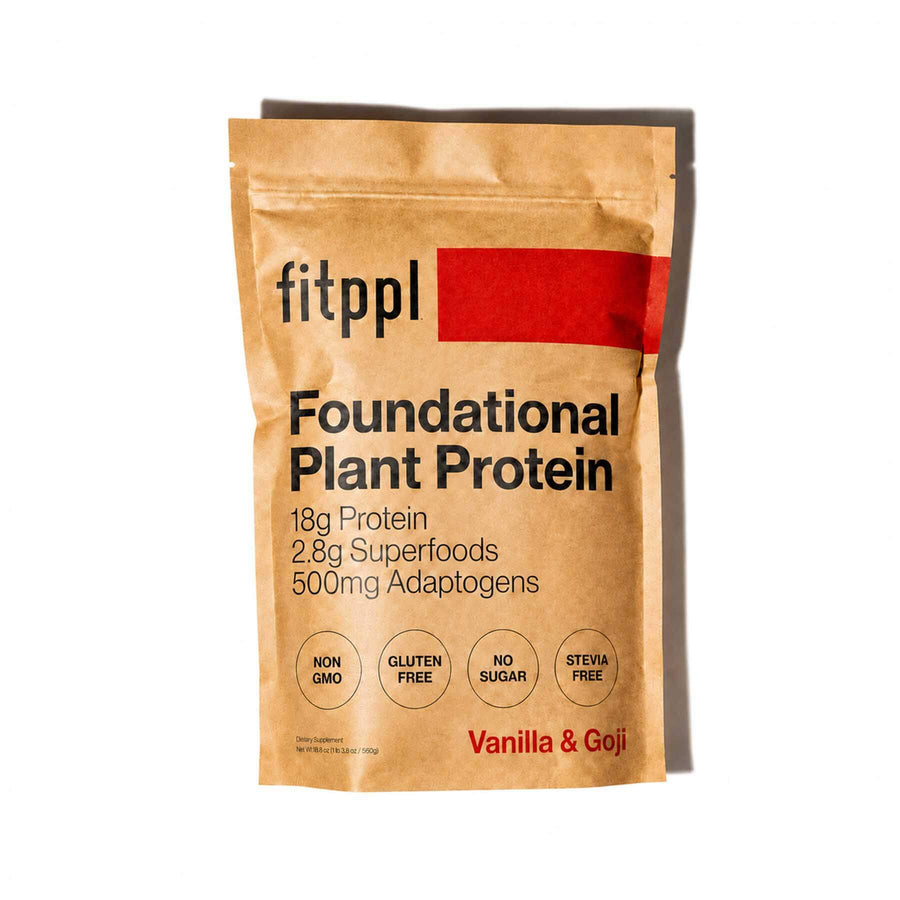
Foundational Plant Protein
Plant protein plus organic greens, fruits and adaptogens in one shake.
- Protein
- 18g per serving
- Protein from
- Organic brown rice, pea and hemp
- Sweetened with
- Monk fruit
- Sugar
- Less than 1g
- Certified
- Non-GMO, gluten-free
Best for: one daily shake that covers more than protein.
$54.99$46.74 with subscribe & save
Shop now -
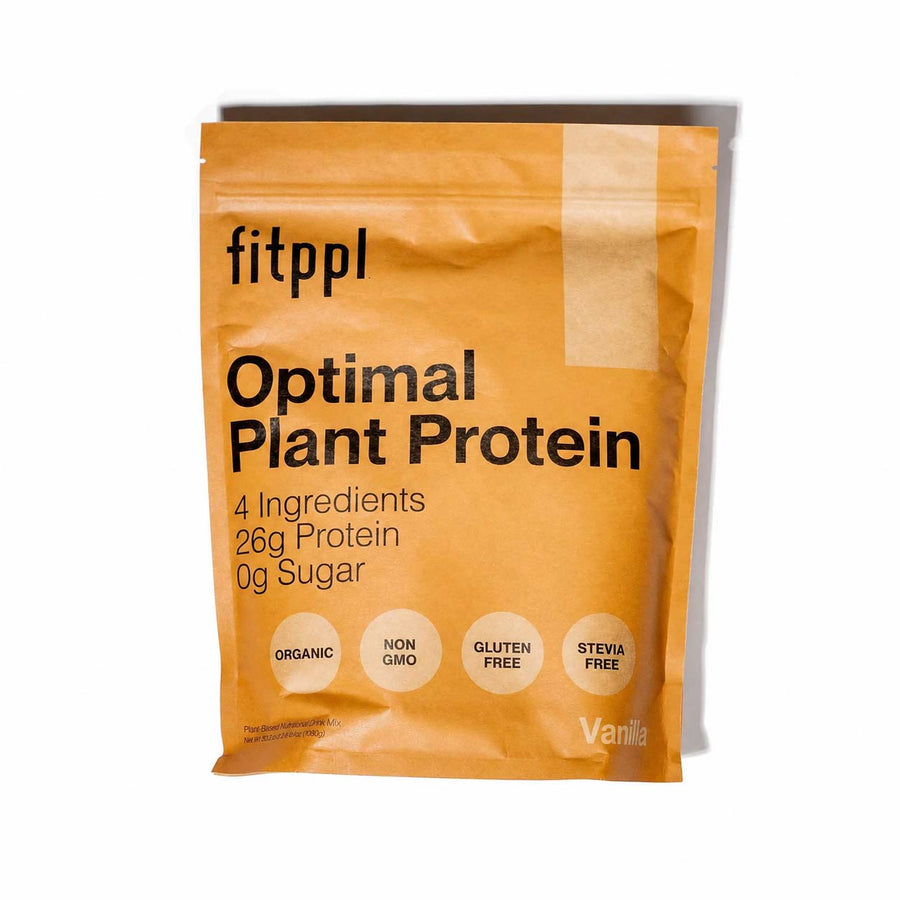
Optimal Plant Protein
Our simplest formula: organic pea and brown rice protein, vanilla and monk fruit.
- Protein
- 26g per serving
- Protein from
- Organic pea and brown rice
- Sweetened with
- Organic monk fruit
- Sugar
- 0g
- Certified
- Organic, Non-GMO, gluten-free
Best for: the most protein from the fewest ingredients.
$69.99$59.49 with subscribe & save
Shop now
What customers say
4.9 average from 553 reviews of our proteins. Quotes from verified buyers.
-
It's delicious, just buy it!
“I have celiac disease and am very sensitive to gluten, and I felt very safe consuming this protein. I felt fine afterward too. Will buy again, APPROVED!”
Anna Z.Verified buyer · Foundational Plant Protein -
Awesome!!
“The flavor is fantastic and it has everything I was looking for in one: plant based protein, greens and adaptogens with no gluten, dairy or stevia! I'm a customer for life”
Amy F.Verified buyer · Foundational Plant Protein -
Obsessed!
“As a Nutrition Scientist I place high value on quality protein and this is the best on the market that I have tried. … it is free of soy and gluten; all of which are important to me”
Erika M.Verified buyer · Foundational Plant Protein
What makes a protein powder gluten-free?
Gluten is a protein found in wheat, barley and rye.1 The proteins most powders are built on, like pea, rice and whey, don't contain it on their own. Gluten usually gets in through what's added, such as flavorings, thickeners or other ingredients made from those grains, or through cross-contact in a facility that also handles them.
That's why the label matters more than the protein source. Both fitppl proteins are made from plant protein (pea and brown rice, plus hemp in Foundational), and both are certified gluten-free.
"Gluten-free" vs. certified gluten-free
In the U.S., any food or supplement labeled "gluten-free" must contain less than 20 parts per million (ppm) of gluten. The claim is voluntary, and the brand makes it.2
Certification adds an outside check. The Gluten-Free Certification Organization (GFCO) requires certified products to test below 10 ppm, half the FDA limit.3 Optimal Plant Protein is certified through GFCO.
| "Gluten-free" label | GFCO certified | |
|---|---|---|
| Gluten limit | Under 20 ppm | Under 10 ppm |
| Who checks it | The brand making the claim | An independent certifier |
| How to spot it | "Gluten-free" on the label | The GFCO mark on the package |
Who needs gluten-free protein powder?
For people with celiac disease, avoiding gluten isn't optional. Celiac disease is a chronic digestive and immune disorder, triggered by gluten, that damages the small intestine. It affects about 1% of people worldwide, and an estimated 2 million people in the U.S.1 Wheat is also one of the nine major food allergens.5
Others avoid gluten on a clinician's advice or by preference. If you have celiac disease, your doctor or dietitian is the best guide to which products and certifications fit you.
What to check on the label
- A certification mark, like GFCO's, for an independent check rather than the brand's word alone.
- The allergen line. Wheat has to be declared, so "Contains: wheat" rules a product out.5
- Grain-based ingredients, such as barley malt or wheat-based fillers and thickeners.
- Everything else you avoid. Gluten-free doesn't mean dairy-free or soy-free. Both fitppl proteins are all three; see our dairy-free protein powder page.
Why we went with plant protein
Pea and brown rice protein don't contain gluten. Single plant proteins tend to be lower in some essential amino acids than animal proteins, and researchers note that combining them can produce a profile closer to animal protein, which is why both of ours use a blend.6
Optimal Plant Protein keeps it to four ingredients: organic pea protein, organic brown rice protein, organic vanilla and organic monk fruit, with 26g of protein and 0g of sugar per serving. Foundational adds organic greens, fruits and adaptogens to 18g of plant protein.
For more on going gluten-free with protein, read our guide to gluten-free protein powder.
Questions, answered
Gluten, certification and our ingredients, explained.
Is protein powder gluten-free?
Not always. Common protein sources like pea, rice and whey don't contain gluten on their own, but flavorings, add-ins or cross-contact during manufacturing can add it. Look for a gluten-free claim or, better, a certification on the label.2
What does certified gluten-free mean?
Can people with celiac disease use fitppl protein?
Both of our proteins are certified gluten-free, and Optimal Plant Protein is certified through GFCO, which requires testing below 10 ppm.3 If you have celiac disease, your doctor or dietitian is the best guide to which products and certifications fit you.
Foundational contains barley grass and oat grass. Is it still gluten-free?
Yes, the finished product is certified gluten-free. Gluten is found in the seed kernels of cereal plants, not in the young grass, as long as it's harvested before seeds form.4 If you have a wheat allergy or are very sensitive, Optimal Plant Protein has no grasses at all.
Are fitppl proteins also dairy-free?
Yes. Both are made from plant proteins with no milk ingredients, and both are soy-free. See our dairy-free protein powder page for more.
Sources
- National Institute of Diabetes and Digestive and Kidney Diseases (NIDDK). Definition & Facts for Celiac Disease.
- U.S. Food and Drug Administration. Gluten and Food Labeling.
- Nutritional Outlook. Gluten threshold testing: why GFCO tests below FDA's 20 ppm standard (interview with GFCO), 2026.
- Beyond Celiac. Is Wheatgrass Gluten-Free?
- U.S. Food and Drug Administration. Food Allergies: What You Need to Know.
- Gorissen SHM, et al. Protein content and amino acid composition of commercially available plant-based protein isolates. Amino Acids, 2018.