

Holds up in oats, pancakes and baked recipes
Best Protein Powder for Baking
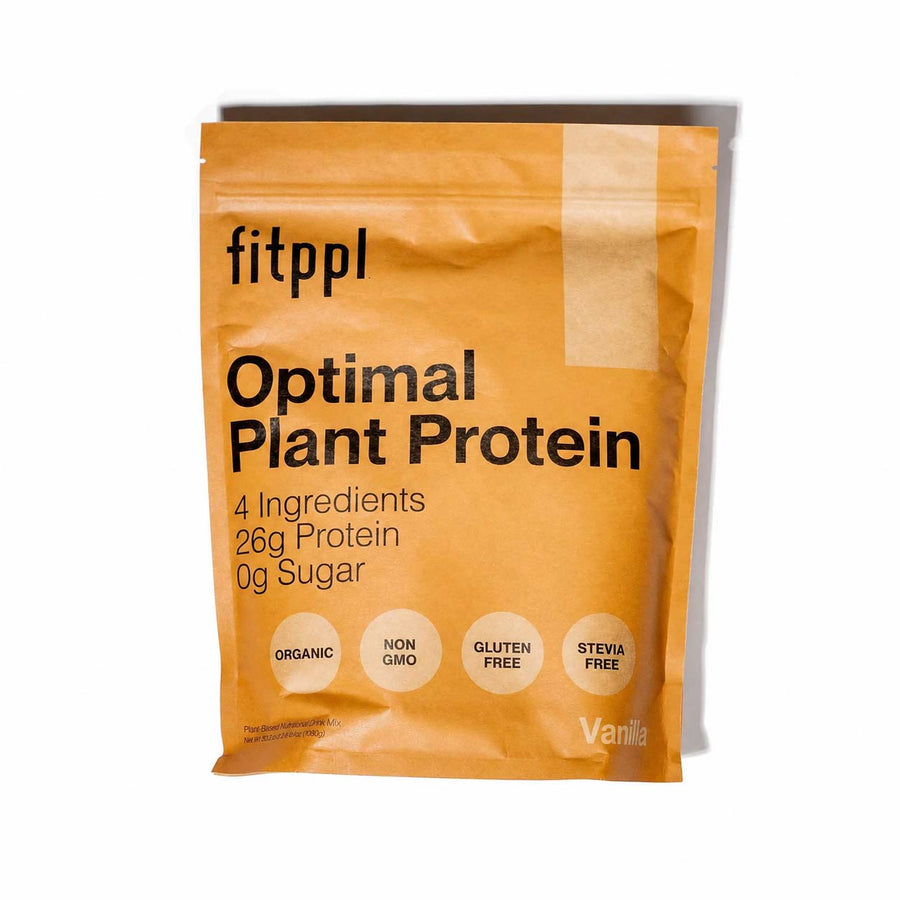
Vanilla plant protein that bakes as well as it shakes. Each serving (36g) of Optimal adds 26g of protein with no sugar, gums or stevia.
4.9 average from 95 reviews

Per serving (36g)
Optimal Plant Protein
From the Nutrition Facts label.
Optimal Plant Protein
Organic pea and brown rice protein with vanilla and monk fruit, so your batter starts lightly sweet.
-
Optimal Plant Protein
Our simplest formula: organic pea and brown rice protein, vanilla and monk fruit.
- Protein
- 26g per serving
- Protein from
- Organic pea and brown rice
- Sweetened with
- Organic monk fruit
- Sugar
- 0g
- Certified
- Organic, Non-GMO, gluten-free
Best for: the most protein from the fewest ingredients.
$69.99$59.49 with subscribe & save
Shop now
From people who love the texture
4.9 average from 95 reviews of Optimal Plant Protein. Quotes from verified buyers.
-
Best portein
“I have tried a lot of different protein powders and this one is the best! Texture is amazing, flavor delicious, and ingredients are so clean!”
Manda R.Verified buyer · Optimal Plant Protein -
Love
“Love the ingredients, taste and texture.”
Camelle G.Verified buyer · Optimal Plant Protein -
Delicious and Nutritious
“Best part of my day! This protein is full of clean and wonderful ingredients. Also, so delicious!”
Danika L.Verified buyer · Optimal Plant Protein
What is the best protein powder for baking?
The best protein powder for baking blends into batter without grit, holds moisture, tastes good warm and doesn't turn your muffins into hockey pucks. Vanilla or unflavored powders are the most flexible, and a powder without heavy sweeteners lets you control how sweet the final bake is.
What to look for:
- A mild flavor. Vanilla works in pancakes, muffins, banana bread, cookies and oatmeal.
- A fine texture. Smooth powders mix into batter more evenly.
- No added sugar. You can always add sweetness. You can't take it out.
- A simple ingredient list. Gums and fillers can make baked goods gummy or dense.
- The right protein type. Plant proteins tend to make moister bakes than pure whey, which can dry out.
Here's Optimal Plant Protein, straight from the label:1
| Per serving (36g) | Optimal Plant Protein |
|---|---|
| Protein | 26g |
| Calories | 150 |
| Sugar | 0g |
| Flavor | Vanilla, sweetened with organic monk fruit |
| Ingredients | 4: organic pea protein, organic brown rice protein, organic vanilla, organic monk fruit |
| Free of | Dairy, soy, gluten, gums, stevia and erythritol |
Optimal holds up in oats, pancakes and baked recipes, and it's certified gluten-free, which makes it handy for gluten-free baking too.1
Is protein powder good for baking?
Yes. Baking with protein powder is an easy way to turn a carb-heavy breakfast or snack into something more filling. A batch of pancakes or muffins made with a few scoops can add a meaningful amount of protein to every serving.
Protein powder isn't a perfect swap for flour, though. It has no gluten and absorbs liquid differently, so a few small adjustments make all the difference. More on that below.
Does baking destroy the protein in protein powder?
No. Heat changes a protein's shape, a process called denaturation. It's the same thing that happens when an egg turns from clear to white in a pan. The protein's building blocks, the amino acids, are still there, and your body breaks protein down during digestion anyway.
Cooking can even make protein easier to absorb. In one study, people absorbed about 91% of the protein from cooked eggs, compared with about 51% from raw eggs.2 So a protein muffin still counts toward your protein for the day.
Which protein powder is best for baking?
Each type behaves a little differently in the oven:
- Pea and brown rice protein. Absorbs liquid well and gives a moist, tender crumb. Great in muffins, pancakes and banana bread.
- Whey. Bakes fast and can turn dry or rubbery if overbaked. Works best mixed with flour, not on its own.
- Casein. Thick and creamy, good for no-bake treats and puddings.
- Collagen. Dissolves easily but doesn't add structure. It isn't a complete protein.
If you avoid dairy, a pea and rice blend like Optimal is the natural choice. Its vanilla flavor works in almost any sweet recipe.
How do I add protein powder to my baking?
Start with these rules of thumb, then adjust to your recipe:
- Replace some of the flour, not all of it. Start by swapping about a quarter to a third of the flour for protein powder. Going further usually makes bakes dense and dry.
- Add a little more liquid. Plant protein soaks up moisture. Add a few extra tablespoons of milk, water or yogurt until the batter looks like the original.
- Keep it moist. Mashed banana, applesauce, pumpkin, Greek yogurt or nut butter help keep protein bakes tender.
- Lower the heat or shorten the time. Protein browns faster. Try lowering the oven by about 25°F, or start checking several minutes early.
- Don't overbake. Pull muffins and breads when a toothpick comes out with a few moist crumbs.
- Taste before you add sugar. Optimal is lightly sweetened with monk fruit, so you may need less sweetener than the recipe calls for.
Can you use protein powder instead of flour?
Not completely, in most recipes. Flour gives baked goods their structure. Protein powder has no gluten and behaves differently, so swapping all the flour usually gives you something dense, dry or rubbery. Partial swaps work much better.
There are exceptions. Some recipes are built without flour from the start, like banana-and-egg pancakes or oat-based bars, and protein powder fits right in. If you're new to it, start with a recipe written for protein powder, then experiment.
Can you bake with plant protein powder?
Yes, and plant protein is often easier to bake with than whey. Pea and brown rice protein hold water, which helps keep muffins and pancakes from drying out. They also give batter a little more body, so you may need less flour overall.
Because Optimal contains no gums, it won't make your batter gummy, and because it contains no dairy, it works in vegan recipes when you use a plant milk and an egg substitute.
Is protein powder good for gluten-free baking?
It can help. Gluten-free flours often make crumbly, delicate bakes, and protein powder adds a little body and, of course, protein. Use a certified gluten-free powder so you don't add gluten by accident. Optimal is certified gluten-free.1 Pair it with a gluten-free flour blend and follow the same rule: replace part of the flour, not all of it.
What can I make with protein powder?
- Pancakes and waffles
- Muffins and banana bread
- Oatmeal, baked oats and overnight oats
- Mug cakes
- Cookies and blondies
- No-bake energy bites
- Frozen treats. See the best protein powder for Ninja Creami.
Easy recipes to start with
These are simple starting points. Every oven and every batch of flour is a little different, so adjust the liquid to get the texture you like.
Protein pancakes (makes about 4 small pancakes). Whisk 1 serving (36g) of Optimal, half a cup of oat flour and 1 teaspoon of baking powder. Add 1 egg (or a flax egg) and about half a cup of milk. Rest 5 minutes, then cook on a lightly oiled pan over medium-low heat.
Banana protein muffins (makes about 10). Mash 3 ripe bananas. Stir in 2 eggs, a third of a cup of Greek yogurt and 2 tablespoons of melted coconut oil. Add 1 cup of flour, 2 servings (72g) of Optimal, 1 teaspoon of baking soda, cinnamon and a pinch of salt. Bake at 325°F and start checking at 18 minutes.
Vanilla mug cake. Mix 1 serving of Optimal, 1 tablespoon of flour, half a teaspoon of baking powder, 1 egg and a few tablespoons of milk in a mug. Microwave about 60 to 90 seconds, until just set.
No-bake energy bites. Stir together 1 cup of oats, 1 serving of Optimal, half a cup of peanut butter, 2 tablespoons of honey or maple syrup and a handful of chocolate chips. Add milk a spoonful at a time until it holds together, then roll into balls and chill.
Protein oatmeal. Cook oats as usual, take them off the heat, then stir in a serving of Optimal with an extra splash of milk. Adding the powder after cooking keeps the texture smooth.
Overnight oats. Stir half a cup of oats, 1 serving of Optimal, three-quarters of a cup of milk and a spoonful of chia seeds in a jar. Refrigerate overnight and top with fruit in the morning.
What's a good substitute for protein powder in baking?
If a recipe calls for protein powder and you don't have any, you can boost protein with:
- Greek yogurt or cottage cheese, blended smooth
- Extra eggs or egg whites
- Almond flour or other nut flours
- Chickpea flour
- Powdered peanut butter
These change the texture and flavor, so the recipe may need adjusting. And most won't add as much protein per spoonful as a protein powder.
Why are my protein baked goods dry or rubbery?
The usual causes are too much protein powder, not enough liquid or fat, or too much time in the oven. Try cutting the powder back, adding a moist ingredient like banana or yogurt, and baking at a slightly lower temperature for less time. Whey-heavy recipes are the most likely to turn rubbery, so if you're adapting a whey recipe, you may need a bit more liquid with a plant protein.
How do you make protein pancakes fluffy?
- Use fresh baking powder. Old leavening is a common reason for flat pancakes.
- Let the batter rest. Five minutes gives the protein and flour time to absorb the liquid.
- Don't overmix. Stir until just combined. A few lumps are fine.
- Cook low and slow. Protein batter browns faster, so use medium-low heat and flip when bubbles form on top.
- Thin as needed. If the batter is too thick to spread, add milk a tablespoon at a time.
Can you add protein powder to hot foods?
Yes. For hot foods like oatmeal or soup, stir the powder in after cooking and add a splash of liquid. Dumping powder straight into something boiling can make it clump. The same idea works for hot drinks. See our page on the best protein powder for coffee.
How do you store protein baked goods?
Let them cool completely, then store them in an airtight container. Most protein muffins and breads keep for a few days at room temperature, or a little longer in the fridge if they contain yogurt or fruit. They also freeze well. Wrap them individually so you can grab one in the morning and warm it up.
Is baking with protein powder healthy?
It can make a treat more filling, but a muffin is still a muffin. The sugar, butter and flour in a recipe matter more than the scoop of protein. The biggest wins come from using protein powder in everyday breakfasts like pancakes, oatmeal and banana bread, where it replaces some refined flour and adds staying power. If you're watching calories, see the best protein powder for weight loss.
Why we make Optimal this way
- 26g of protein per serving (36g). 150 calories and 0g of sugar.1
- Vanilla that works in sweet recipes. Organic vanilla and organic monk fruit.
- Four ingredients. Organic pea protein, organic brown rice protein, organic vanilla and organic monk fruit. No gums, dairy, soy, stevia or erythritol.
- Certified gluten-free. Also USDA Organic and Non-GMO Project Verified.
- Tested. We publish our heavy metal results from Light Labs, an independent lab.
Sources
- fitppl. Optimal Plant Protein Nutrition Facts and product page.
- Evenepoel P, et al. Digestibility of cooked and raw egg protein in humans as assessed by stable isotope techniques. Journal of Nutrition, 1998.
Questions, answered
Quick answers about Optimal.
Can I bake with Optimal?
Yes. Optimal holds up in oats, pancakes and baked recipes. Start by replacing about a quarter to a third of the flour with Optimal and add a little extra liquid, since plant protein absorbs moisture.
Does baking destroy the protein in Optimal?
No. Heat changes a protein's shape, but the amino acids are still there, and your body breaks protein down during digestion anyway. Your pancakes and muffins still count toward your protein for the day.
Is Optimal sweet? Should I reduce the sugar in my recipe?
Optimal is lightly sweetened with organic monk fruit and has 0g of sugar. Many people find they can use a little less sugar or syrup than a recipe calls for. Taste the batter first.
Is Optimal good for gluten-free and vegan baking?
Yes. Optimal is certified gluten-free and dairy-free. For vegan recipes, pair it with a plant milk and an egg substitute like a flax egg.
Why did my protein muffins come out dry?
Usually too much powder, too little liquid or too long in the oven. Add banana, yogurt or applesauce, lower the oven by about 25°F and start checking a few minutes early.
What flavor is Optimal?
Vanilla, made with organic vanilla and sweetened with organic monk fruit. It works in pancakes, muffins, banana bread, oatmeal and cookies.