Benefits of Monk Fruit: 5 Reasons to Use This Fruit
Monk fruit, a small melon native to southern China, has been turning heads in the world of natural sweeteners. But what's the buzz about? Here's what monk fruit can do, and what...

Monk fruit, a small melon native to southern China, has been turning heads in the world of natural sweeteners. But what's the buzz about? Here's what monk fruit can do, and what the research does and doesn't show yet.
1. Sweetness without the sugar
Love sweetness but want to cut back on sugar? Monk fruit extract is a high-intensity sweetener, many times sweeter than sugar, so only a tiny amount is needed and it adds essentially no calories. The FDA has received GRAS (generally recognized as safe) notices for monk fruit extracts and has not questioned them under their intended uses.1
2. No sugar spike
In a study of healthy men, a monk fruit-sweetened drink avoided the large blood sugar and insulin spike that a sugar-sweetened drink caused in the first hour.2 Total blood sugar over the following three hours, after lunch, ended up similar across the drinks, so it's not a magic bullet. But swapping sugar for monk fruit is an easy way to cut added sugar, which can make it a helpful option if you're watching your blood sugar.
3. Antioxidant compounds
Monk fruit gets its sweetness from compounds called mogrosides. In lab and animal studies, mogrosides show antioxidant activity, helping neutralize free radicals.3 Human research is still limited, so think of this as a promising bonus rather than a proven benefit.
4. Kinder to your teeth than sugar
Sugar is one of the main drivers of cavities, because mouth bacteria feed on it. Swapping sugar for a non-sugar sweetener like monk fruit takes that fuel away. You still need to brush and floss, of course.
5. Possible anti-inflammatory effects
Mogrosides have also shown anti-inflammatory effects in lab and animal research.3 More research in people is needed before we know what that means for your health.
6. Easy to use
Monk fruit sweeteners are easy to work into your routine. Use them in baking, cooking or stirred into coffee, tea and smoothies. One tip: many granulated monk fruit products are blended with erythritol, sugar or other fillers, so check the ingredient list if you want pure monk fruit.
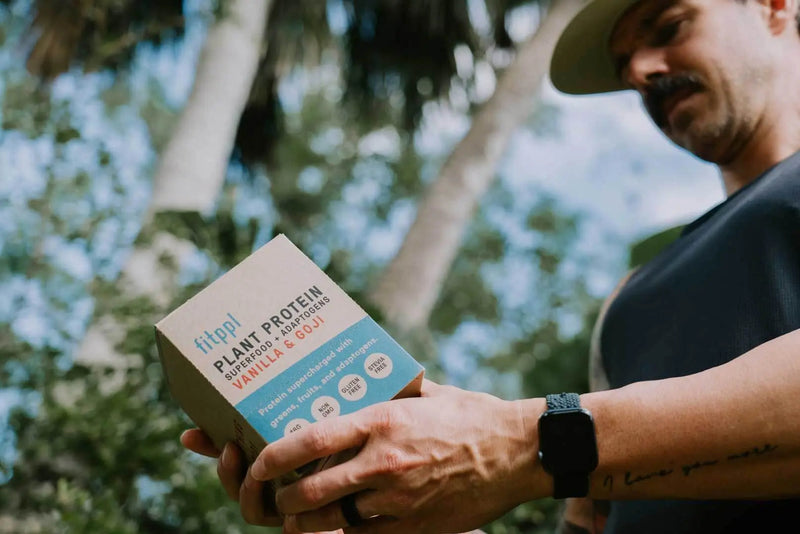
You'll also find monk fruit in our Optimal Plant Protein, which has 0 grams of sugar and no stevia or erythritol.
The bottom line
Monk fruit is a natural, essentially calorie-free way to get sweetness without the sugar. Its antioxidant and anti-inflammatory potential is interesting, but still early. Used in place of sugar, it's a simple swap worth exploring.
Sources 3
Numbers in the article link to these sources.
- US Food and Drug Administration. High-intensity sweeteners.
- Tey SL, Salleh NB, Henry J, Forde CG. Effects of aspartame-, monk fruit-, stevia- and sucrose-sweetened beverages on postprandial glucose, insulin and energy intake. International Journal of Obesity, 2017.
- Huang H, et al. A comprehensive review of Siraitia grosvenorii (Swingle) C. Jeffrey: chemical composition, pharmacology, toxicology, status of resources development, and applications. Frontiers in Pharmacology, 2024.