The Amazing Health Benefits of a Vegan Lifestyle
Feeling inspired to change your eating habits? A vegan lifestyle could be a great choice for you. About 1% of US adults identify as vegan, and about 4% as vegetarian.1 Many more...

Feeling inspired to change your eating habits? A vegan lifestyle could be a great choice for you.
About 1% of US adults identify as vegan, and about 4% as vegetarian.1 Many more are eating less meat. Done well, going vegan can be an exciting way to improve your overall health. Let's look at the benefits the research supports.
1. Heart health benefits
Diets heavy in processed and fried foods are tough on your heart. In a large study of middle-aged US adults, those who ate the most healthy plant foods had a lower risk of heart disease, death from heart disease and death from any cause.2 A major review of observational studies found vegetarian diets were linked with about 25% lower risk of ischemic heart disease.3
Vegetables, legumes, whole grains, nuts and seeds are the foundation. That's where the heart benefits come from.
2. Possible weight loss
There's no magic trick to losing weight, but a vegan diet can help. A meta-analysis of randomized trials found people on vegetarian diets lost more weight than those on non-vegetarian diets, with vegan diets showing the biggest effect.4
Plant foods tend to be high in fiber and water and lower in calories, so they help you feel full on less. Keep in mind that fries, candy and soda can be vegan too. The benefits come from whole plant foods.
Vegan food is also delicious, so you don't have to feel like you're missing out. And if you want to boost your protein, a vegan protein powder makes it easy.
3. It may help with type 2 diabetes
In a randomized trial, people with type 2 diabetes who followed a low-fat vegan diet saw bigger improvements in blood sugar control, weight and LDL cholesterol than those following a standard diabetes diet.5 Combined with exercise, a plant-based diet can be a powerful tool. If you have diabetes, talk to your doctor before making big changes, especially if you take medication.
4. Better digestion
Most adults don't get enough fiber.6 A vegan diet built on vegetables, fruits, whole grains, beans and lentils is naturally rich in it, which helps keep you regular and supports a healthy gut. If you're new to high-fiber eating, increase it gradually and drink plenty of water to avoid bloating.
5. A lower risk of cancer
The World Health Organization's cancer agency classifies processed meat as a cause of colorectal cancer and red meat as a probable cause. Each 50-gram portion of processed meat eaten daily increases colorectal cancer risk by about 18%.7 Cutting these out is one way a vegan diet may lower your risk.
In a large review, vegan diets were linked with about a 15% lower risk of cancer overall, though that finding came from a limited number of studies.3
6. A brighter mood (for some)
The foods you eat can affect how you feel, and many people say they feel better after cleaning up their diet. The research on vegan diets and mood is mixed, though, so think of this as a possible bonus rather than a promise.
Plan for these nutrients
A well-planned vegan diet is healthy for people of all ages.8 "Well-planned" is the key. Keep an eye on:
- Vitamin B12, which needs a supplement or fortified foods
- Iron and zinc, from beans, lentils, tofu, nuts and seeds
- Calcium and vitamin D, from fortified plant milks, tofu and leafy greens
- Omega-3 fats, from flax, chia, walnuts or an algae-based supplement
- Iodine, from iodized salt or seaweed
Is the vegan lifestyle right for you?
A vegan diet built on whole plant foods has real benefits for your heart, weight and blood sugar, and it may lower your cancer risk. If you have health conditions, work with your doctor or a registered dietitian as you make the switch.
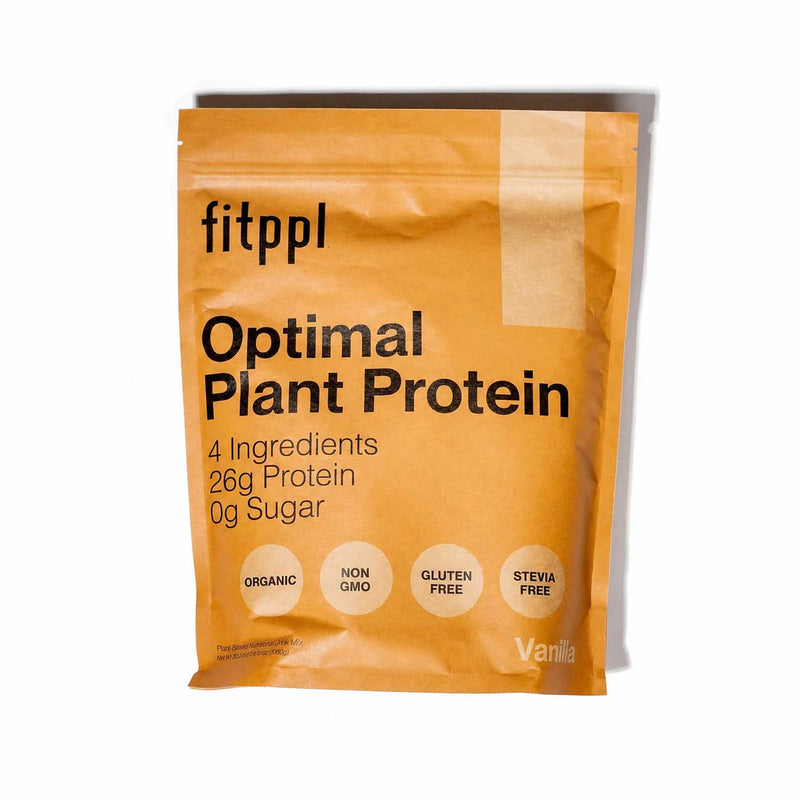
Want an easy protein boost? Check out our Optimal Plant Protein, with 26 grams of organic pea and brown rice protein, 0 grams of sugar and just 4 ingredients.
Sources 8
Numbers in the article link to these sources.
- Gallup. In U.S., 4% identify as vegetarian, 1% as vegan. 2023.
- Kim H, et al. Plant-based diets are associated with a lower risk of incident cardiovascular disease, cardiovascular disease mortality, and all-cause mortality in a general population of middle-aged adults. JAHA, 2019.
- Dinu M, et al. Vegetarian, vegan diets and multiple health outcomes: a systematic review with meta-analysis of observational studies. Critical Reviews in Food Science and Nutrition, 2017.
- Huang RY, et al. Vegetarian diets and weight reduction: a meta-analysis of randomized controlled trials. Journal of General Internal Medicine, 2016.
- Barnard ND, et al. A low-fat vegan diet improves glycemic control and cardiovascular risk factors in a randomized clinical trial in individuals with type 2 diabetes. Diabetes Care, 2006.
- Quagliani D, Felt-Gunderson P. Closing America's fiber intake gap: communication strategies from a Food and Fiber Summit. American Journal of Lifestyle Medicine, 2017.
- World Health Organization. Cancer: carcinogenicity of the consumption of red meat and processed meat (Q&A).
- Melina V, Craig W, Levin S. Position of the Academy of Nutrition and Dietetics: Vegetarian Diets. Journal of the Academy of Nutrition and Dietetics, 2016.