The Complete Guide to Choosing Superfoods for Your Diet
Superfoods are everywhere: on menus, on packaging, all over your feed. But what actually makes a food "super," and how do you choose the ones worth adding to your diet? To make...

Superfoods are everywhere: on menus, on packaging, all over your feed. But what actually makes a food "super," and how do you choose the ones worth adding to your diet?
To make it easier, we put together a guide. Keep reading for what superfoods really are, simple ways to eat more of them, and how to pick a high-quality superfood blend.
What are superfoods?
Here's the honest answer: there's no scientific or regulated definition of a superfood. It's largely a marketing term, and nutrition experts point out that variety across your whole plate matters more than any single food.1
That said, the foods that usually earn the label are genuinely good for you. Think nutrient-dense foods like berries, leafy greens, cruciferous vegetables, nuts, seeds, legumes and whole grains. They're packed with vitamins, minerals, fiber and plant compounds.
And most of us could use more of them. Only about 1 in 10 US adults eats enough vegetables.2 Eating about five servings of fruits and vegetables a day is linked with the lowest risk of early death from heart disease, cancer and respiratory disease.3
How to add superfoods to your diet
Even if you know the benefits, it can be hard to know where to start. Here are some simple strategies.
Snack smarter
Instead of grabbing a bag of chips between meals, reach for sliced vegetables with hummus, a piece of fruit or a handful of nuts.
Add nuts to whatever you eat
Sprinkle them on oatmeal, toss them into a salad or a stir-fry, or carry a small bag for the road. In a large review of prospective studies, eating about a handful (28 grams) of nuts a day was linked with a roughly 29% lower risk of coronary heart disease.4
Switch up your sides
Swap refined sides like white rice and white pasta for whole grains, and add a serving of vegetables like broccoli, cauliflower or Brussels sprouts. Higher whole grain intake is linked with a lower risk of heart disease, cancer and early death.5
Go with green foods
Kale, spinach and broccoli are packed with vitamins, minerals and fiber, and they're low in calories. Add them to salads, soups, pasta and eggs for an easy boost.
Fall in love with smoothies
Smoothies are an easy way to get several superfoods in one glass. Try blending a little spirulina, banana, berries, spinach and your favorite plant milk. Need ideas? Here are some plant protein smoothie recipes.
Choose superfoods that contain protein
Protein helps maintain and repair tissues, supports muscle growth and plays a role in your immune system. It matters even more if you train hard. Here are some protein-rich superfoods worth keeping around:
- Nuts and seeds: almonds, walnuts, pistachios, pumpkin seeds, hemp seeds and sunflower seeds.
- Legumes: lentils, beans, peas and chickpeas. Easy to add to soups, stews and salads.
- Soy foods: tofu, tempeh and edamame are versatile plant-based alternatives to meat.
- Quinoa: technically a seed, cooked like a grain. A great swap for rice or pasta.
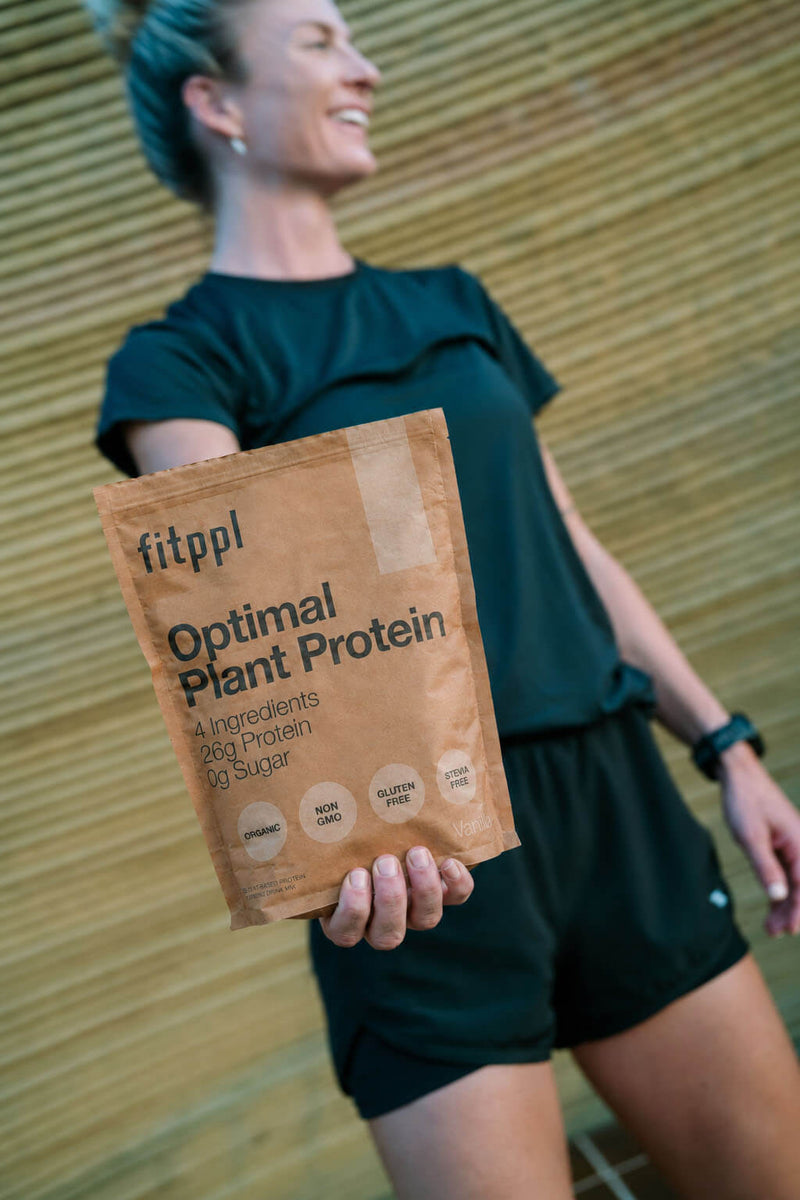
A scoop of plant protein powder in your smoothie is another easy way to top up.
How to choose a superfood blend
Superfood powders and blends can be a convenient way to get more plants in on busy days. But they're not all made the same. Here's what to look for:
- A clear ingredient list. You should recognize what's in it. Be cautious with "proprietary blends" that don't tell you how much of each ingredient you're getting.
- No added sugar. Check the nutrition panel, not just the front of the bag.
- Allergen and dietary info. Make sure it fits your needs, whether that's vegan, gluten-free or free of a specific allergen.
- Testing. Look for brands that test for contaminants like heavy metals.
- Realistic claims. A blend can help fill gaps. It can't cure, detox or replace a healthy diet.
Choose superfoods that are right for you
Start with your goals. Do you want more fiber, more protein, or just more plants overall? Then factor in allergies, sensitivities and any medical conditions. For example, people on blood thinners like warfarin need to keep their vitamin K intake (found in leafy greens) consistent, so check with your doctor before making big changes.
At the end of the day, the best superfoods are the ones you'll actually eat. Experiment, mix it up, and aim for variety.
The bottom line
There's no magic food, but there are plenty of great ones. Snack smarter, add nuts and seeds, swap in whole grains, load up on greens, and make smoothies your friend.
Looking for an easy way to get more plants in? Check out our Daily Greens & Reds Superfood blend.
Sources 5
Numbers in the article link to these sources.
- Harvard T.H. Chan School of Public Health, The Nutrition Source. Superfoods or superhype?
- Lee SH, Moore LV, Park S, Harris DM, Blanck HM. Adults meeting fruit and vegetable intake recommendations, United States, 2019. MMWR, 2022.
- Wang DD, et al. Fruit and vegetable intake and mortality: results from 2 prospective cohort studies of US men and women and a meta-analysis of 26 cohort studies. Circulation, 2021.
- Aune D, et al. Nut consumption and risk of cardiovascular disease, total cancer, all-cause and cause-specific mortality: a systematic review and dose-response meta-analysis. BMC Medicine, 2016.
- Aune D, et al. Whole grain consumption and risk of cardiovascular disease, cancer, and all cause and cause specific mortality: systematic review and dose-response meta-analysis. BMJ, 2016.