Vegan Protein Powder vs. Whey: What's the Superior Choice
Vegan protein powder or whey? Both can help you hit your protein goals and build muscle, but they suit different people. Here are six reasons many people choose vegan protein powder, plus...

Vegan protein powder or whey? Both can help you hit your protein goals and build muscle, but they suit different people. Here are six reasons many people choose vegan protein powder, plus when whey might still be the right fit. For a deeper look at the research, see our full guide to plant protein vs. whey.
1. Easier on Many Stomachs
About two-thirds of adults worldwide have trouble digesting lactose, the sugar in milk.1 Whey concentrate contains some lactose, which can cause bloating or discomfort for those people. Vegan protein powder is naturally lactose-free and dairy-free.
2. Better for the Planet
Plant proteins generally have a much smaller environmental footprint than animal proteins. Across nearly 40,000 farms, even the lowest-impact animal products usually had a bigger footprint than plant alternatives.2 Many people also choose vegan protein for animal welfare reasons.
3. Dairy-Free for Milk Allergies
Vegan protein powders made from pea or rice contain no milk, so they avoid whey and casein, the proteins behind milk allergy. Plant proteins can still cause allergies in some people, so always check the label and allergen statement.
4. Builds Muscle Too
You don't need whey to build muscle. In a 12-week trial, pea protein produced similar gains in muscle thickness to whey during resistance training.4 Whey has more essential amino acids gram for gram, but blending plant proteins like pea and rice closes much of the gap.3
5. Fits More Diets
Vegan protein works for vegans, vegetarians, people who are dairy-free or lactose intolerant, and anyone who simply eats mostly plants.
6. Better Taste Than Ever
Vegan protein powders used to have a reputation for being gritty or chalky. Today's blends are much smoother. For the best texture, blend rather than shake, and add a creamy plant milk, frozen banana or nut butter.
When Whey Might Be the Better Fit
If you eat dairy, digest it well, and want the highest essential amino acid content per gram, whey is a good option. Either way, look for a short ingredient list and little or no added sugar.
The Bottom Line
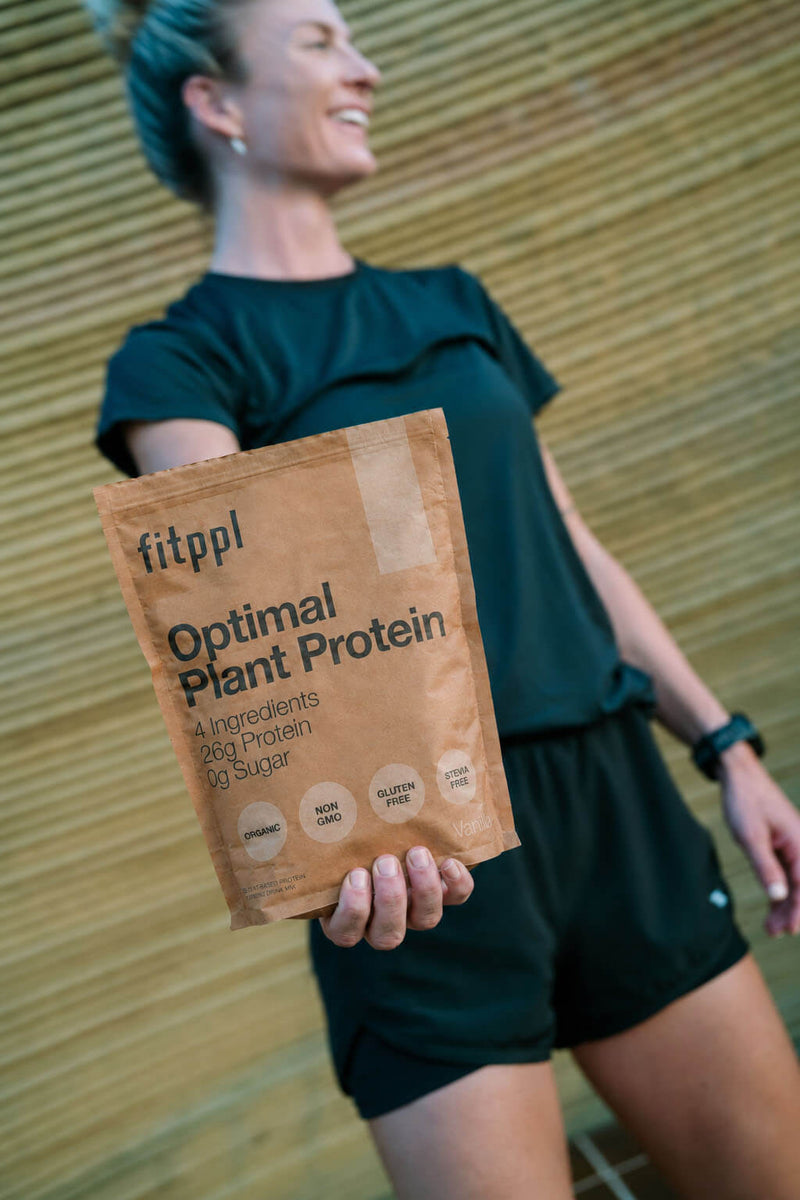
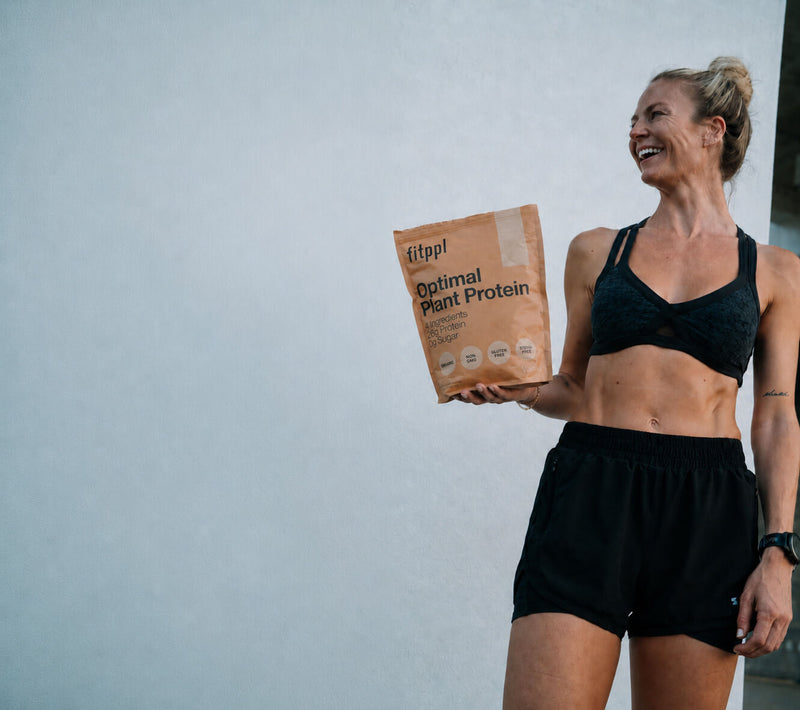
Vegan protein powder is easier on many stomachs, better for the planet, dairy-free and just as capable of supporting muscle growth when you eat enough protein. If that fits your goals, try our Optimal Plant Protein, made with organic pea and brown rice protein and just 4 ingredients.
Sources 4
Numbers in the article link to these sources.
- Storhaug CL, Fosse SK, Fadnes LT. Country, regional, and global estimates for lactose malabsorption in adults: a systematic review and meta-analysis. Lancet Gastroenterology & Hepatology, 2017.
- Poore J, Nemecek T. Reducing food's environmental impacts through producers and consumers. Science, 2018.
- Gorissen SH, et al. Protein content and amino acid composition of commercially available plant-based protein isolates. Amino Acids, 2018.
- Babault N, et al. Pea proteins oral supplementation promotes muscle thickness gains during resistance training: a randomized trial vs. whey protein. Journal of the International Society of Sports Nutrition, 2015.