Is Whey Protein Vegetarian?
Eating a lot of red and processed meat is linked to a higher risk of heart disease, type 2 diabetes and colorectal cancer.1 That's one reason more people are going vegetarian, alongside...

Eating a lot of red and processed meat is linked to a higher risk of heart disease, type 2 diabetes and colorectal cancer.1 That's one reason more people are going vegetarian, alongside ethical and environmental reasons.
But cutting out meat means cutting out a major source of protein. Many people turn to protein supplements to fill the gap, and not all of them are vegetarian. So, is whey protein vegetarian?
The short answer: usually, but not always. Here's what you need to know, and how to choose the right protein for a meat-free diet.
Why Use a Protein Supplement?
Going vegetarian has plenty of upsides, but protein is one of your body's basic building blocks, so it's worth planning for.
The recommended intake for adults is 0.8g of protein per kilogram of body weight per day.2 If you exercise regularly, you'll likely need more, around 1.4 to 2.0g per kilogram, to support muscle recovery and growth.3
A well-planned vegetarian diet with beans, lentils, soy, whole grains, nuts, seeds and dairy can meet those needs.4 But hitting your target every day takes thought, especially if you're active. A protein supplement makes it easier.
What Happens If You Don't Get Enough Protein?
Protein is part of nearly every tissue in your body, including your muscles, skin, hair and bones, and it keeps your immune system working. If you don't eat enough over time, you may lose muscle, recover more slowly from workouts and feel hungrier between meals, since protein helps keep you full.
Vegetarians who eat a varied diet rarely become truly deficient.4 Still, a protein supplement is a simple way to stay on track.
Is Whey Protein Vegetarian?
Whey is one of the most popular protein supplements. It's affordable, comes in lots of flavors and forms, and is widely used by athletes.
Whey comes from milk. When milk is made into cheese, it separates into solid curds and liquid whey. Whey makes up about 20% of the protein in milk. The liquid whey is then processed to remove water, lactose and fat, leaving a protein-rich powder.
There are three main kinds of whey:
- Whey concentrate is the least processed and still contains some lactose and fat.
- Whey isolate is filtered further to remove most of the lactose and fat.
- Whey hydrolysate is partly broken down so it's digested even faster.
Because whey comes from milk rather than meat, most vegetarians who eat dairy consider it vegetarian. It isn't vegan.
When whey isn't vegetarian
There's one catch: rennet. Many cheeses are made with rennet, an enzyme traditionally taken from the stomachs of calves. Some cheesemakers use microbial or plant-based enzymes instead.
Because whey is a byproduct of cheesemaking, the enzyme used matters. The Vegetarian Resource Group considers whey from cheese made with calf-derived enzymes, including some lab-made versions of them, not vegetarian, though it notes that many vegetarians and companies disagree.5
Most whey labels don't say which enzyme was used. If it matters to you, look for whey labeled vegetarian or ask the brand directly.
Plant Protein Powder Alternatives
If you're vegan, avoid dairy, or just don't want to wonder about rennet, plant-based protein is the simplest choice. Some people also find whey hard to digest, especially if they're sensitive to lactose.
Depending on the brand, plant-based protein can contain pea, brown rice, hemp, soy or other legumes and grains. Some blends also include superfoods like leafy greens or mushrooms.
Whey vs. Plant Protein
Gram for gram, whey contains more essential amino acids than most single plant proteins. Blending plant proteins, like pea and rice, closes much of that gap.8
When it comes to building muscle, the research is encouraging for plants. In one trial, pea protein produced similar gains in muscle thickness to whey during resistance training.6 A review of studies found no difference between soy and animal proteins for gains in muscle mass and strength.7
The bigger differences are about your diet and preferences. Whey is a dairy product, which some people find hard to stomach, especially if they're lactose intolerant. Plant protein is dairy-free, fits both vegetarian and vegan diets, and avoids the rennet question entirely.
The Bottom Line
Whey protein is usually considered vegetarian because it comes from milk, not meat. But it isn't vegan, and some whey comes from cheese made with animal rennet, which strict vegetarians avoid.
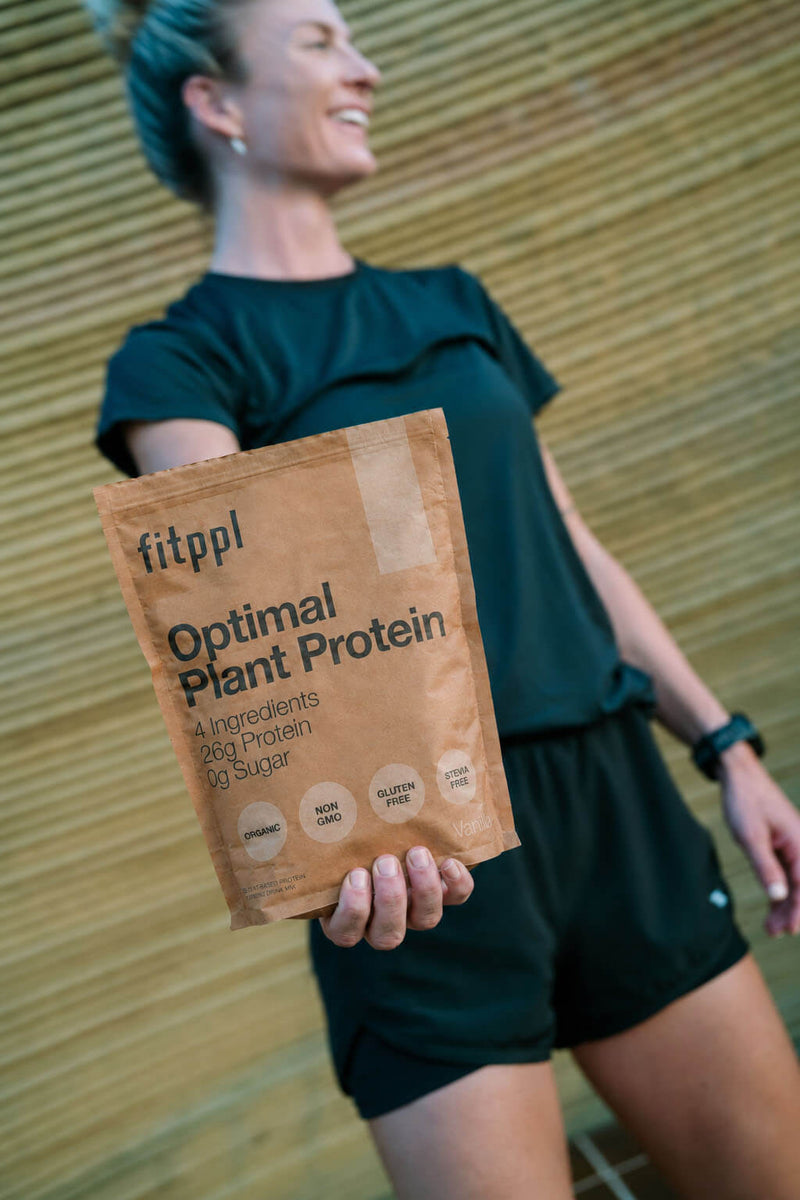
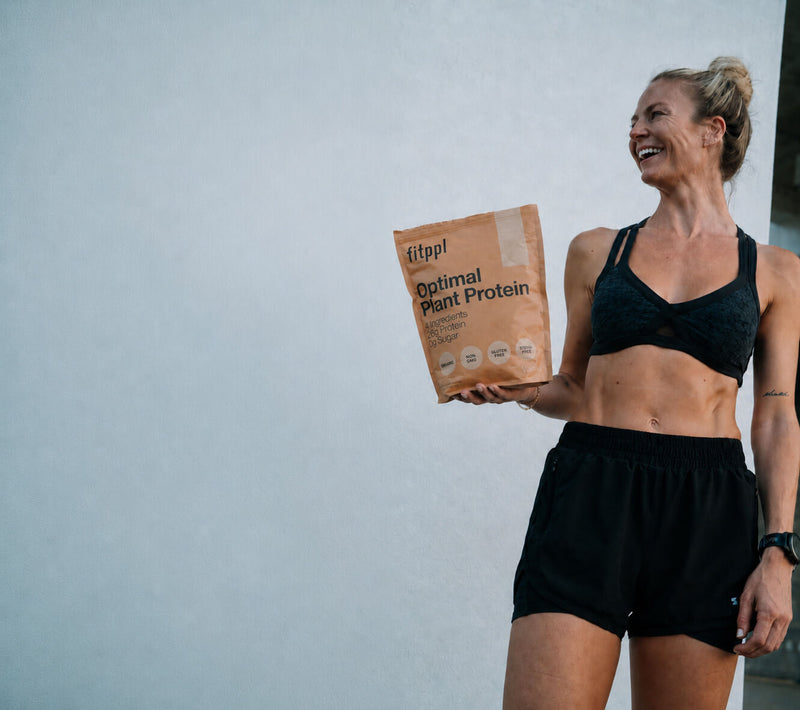
If you want a protein that's clearly vegetarian and vegan, a plant-based protein powder is the easy answer. Try our Optimal Plant Protein and see how it fits your routine.
Sources 8
Numbers in the article link to these sources.
- Richi EB, et al. Health risks associated with meat consumption: a review of epidemiological studies. International Journal for Vitamin and Nutrition Research, 2015.
- Institute of Medicine. Dietary Reference Intakes for Energy, Carbohydrate, Fiber, Fat, Fatty Acids, Cholesterol, Protein, and Amino Acids. National Academies Press, 2005.
- Jäger R, et al. International Society of Sports Nutrition Position Stand: protein and exercise. Journal of the International Society of Sports Nutrition, 2017.
- Melina V, Craig W, Levin S. Position of the Academy of Nutrition and Dietetics: Vegetarian Diets. Journal of the Academy of Nutrition and Dietetics, 2016.
- Yacoubou J. Genetically modified microbial rennet: how vegetarian is it? The Vegetarian Resource Group, 2021.
- Babault N, et al. Pea proteins oral supplementation promotes muscle thickness gains during resistance training: a double-blind, randomized, placebo-controlled clinical trial vs. whey protein. Journal of the International Society of Sports Nutrition, 2015.
- Messina M, et al. No difference between the effects of supplementing with soy protein versus animal protein on gains in muscle mass and strength in response to resistance exercise. International Journal of Sport Nutrition and Exercise Metabolism, 2018.
- Gorissen SH, et al. Protein content and amino acid composition of commercially available plant-based protein isolates. Amino Acids, 2018.