7 Ways to Increase Protein Intake to Build Muscle
If you want to build muscle, protein matters. Combined with resistance training, getting more protein increases gains in muscle mass and strength.1 Active people building muscle often aim for about 1.4 to...

If you want to build muscle, protein matters. Combined with resistance training, getting more protein increases gains in muscle mass and strength.1 Active people building muscle often aim for about 1.4 to 2.0 grams of protein per kilogram of body weight a day.4
But where that protein comes from matters too. The World Health Organization's cancer agency classifies processed meat as a cause of colorectal cancer and red meat as a probable cause,2 and eating more red meat over time is linked with higher mortality.3 Luckily, there are plenty of healthy protein sources. Here are seven easy ways to work more of them into your day.
1. Ancient grains
You've probably heard about quinoa. A cooked cup gives you about 8 grams of protein. But it's not the only high-protein grain. Spelt, teff, amaranth and sorghum are great choices too.
Swap them in for pasta or rice, add them to soups and salads, or serve them as a side. As a bonus, you'll get B vitamins, minerals and fiber along with the protein.
2. Coffee add-ins
Can't function without your morning coffee? Turn it into a protein vehicle.
A cup of cow's milk has about 8 grams of protein. Soy milk comes close, while oat and almond milk have much less. Or add a scoop of protein powder in a flavor that works with coffee, like vanilla. Mix it with a splash of milk or cold water first to make a paste, then stir in your coffee. Cold-coffee lovers can blend everything together.
3. Fish
Most fish is high in protein and low in saturated fat, and fatty fish like salmon and sardines bring omega-3s. Pair fillets with rice and vegetables, or add flaked fish to omelets and pasta. Short on time? Canned fish is an easy grab-and-go option for a meal or snack.
4. Nuts and seeds
A bag of almonds, peanuts or pumpkin seeds makes a great high-protein snack. Mix a few into a trail mix with some dried fruit. You can also sprinkle seeds over oatmeal or salads, or bake them into whole-grain pancakes and muffins.
Nut butters work too. Spread them on whole-grain crackers or apple slices. Just keep an eye on portions, since nuts and nut butters are calorie-dense.
5. Eggs and egg whites
Eggs are an easy, versatile protein, and egg whites are almost pure protein. Stir whites into oatmeal near the end of cooking, fry them to top brown rice or a salad, or make scrambled eggs or an omelet with extra vegetables. Always cook them through to lower the risk of salmonella.
6. Protein powder
Protein shakes are a muscle-building classic, but protein powder can go a lot further. Mix sweet flavors into pancakes, muffins, oatmeal or yogurt. Unflavored powders can disappear into sauces and soups.
7. Tofu
Tofu gets a worse rap than it deserves. This soy-based protein fits into all kinds of dishes. Blend soft or silken tofu with fruit for a creamy, high-protein smoothie or pudding. Scramble firm tofu with your favorite seasonings for a take on scrambled eggs. And swap it in for meat in stir-fries, curries and tacos.
Increase your protein intake with protein powder
Beyond these tricks, get creative and experiment. You're bound to come up with some tasty high-protein recipes of your own.
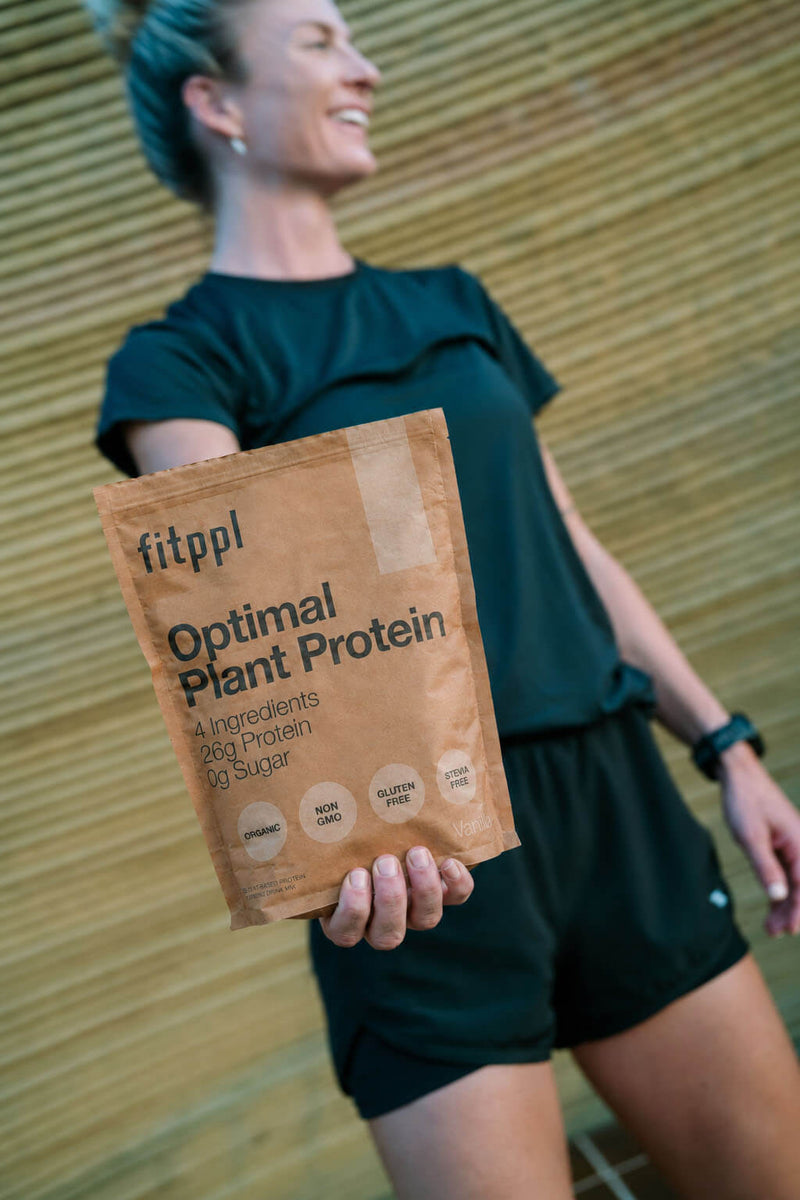
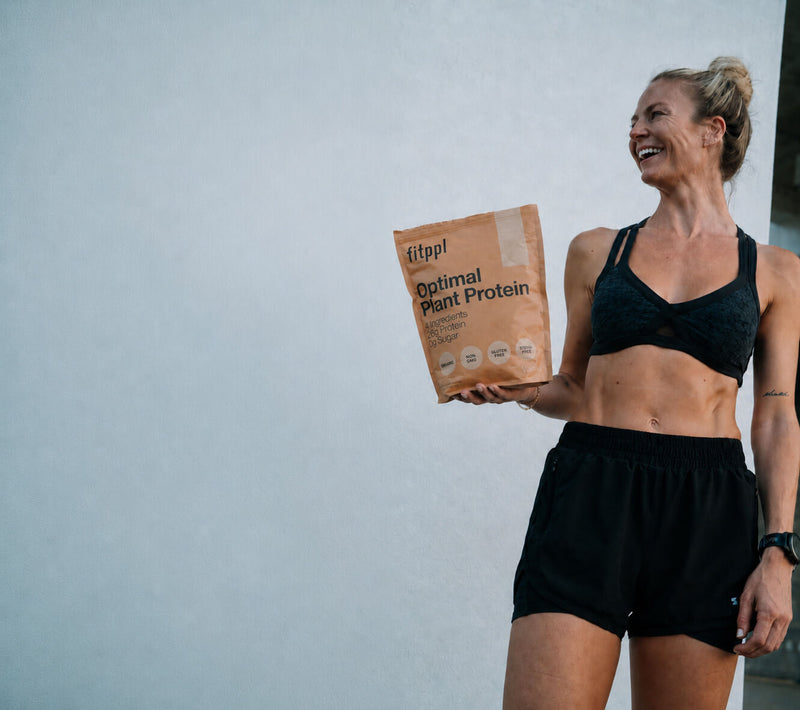
While you do, try adding our Optimal Plant Protein: 26 grams of organic pea and brown rice protein, 0 grams of sugar and just 4 ingredients, with no dairy, soy, stevia or seed oils.
Sources 4
Numbers in the article link to these sources.
- Morton RW, et al. A systematic review, meta-analysis and meta-regression of the effect of protein supplementation on resistance training-induced gains in muscle mass and strength in healthy adults. Br J Sports Med, 2018.
- World Health Organization. Cancer: carcinogenicity of the consumption of red meat and processed meat (Q&A).
- Zheng Y, et al. Association of changes in red meat consumption with total and cause specific mortality among US women and men: two prospective cohort studies. BMJ, 2019.
- Jäger R, et al. International Society of Sports Nutrition position stand: protein and exercise. JISSN, 2017.