How to Increase Your Protein Intake as a Vegan
Wondering how to increase your protein intake on a plant-based diet, but not sure which foods to add? It can be hard to change your habits when you're used to getting protein...

Wondering how to increase your protein intake on a plant-based diet, but not sure which foods to add?
It can be hard to change your habits when you're used to getting protein from meat and dairy. The good news is that there are plenty of plant foods loaded with protein. Read on for easy, fun ways to get more.
How much protein do you need?
The baseline for adults is 0.8 grams of protein per kilogram of body weight a day. If you're active and building muscle, about 1.4 to 2.0 grams per kilogram a day is a common target, with about 20 to 40 grams per serving.1
A well-planned vegan diet can meet those needs.3 It just takes a little more intention, since many plant foods have less protein per bite than meat and dairy, and individual plant proteins can be lower in certain essential amino acids. Eating a variety of protein sources through the day solves that.
Signs you might not be getting enough
Serious protein deficiency is rare in people who eat enough calories. But if your intake is low, you might notice losing muscle or strength, feeling hungry soon after meals, slow recovery from workouts, or brittle hair and nails. If you're concerned, check in with your doctor or a dietitian.
Building muscle on plants
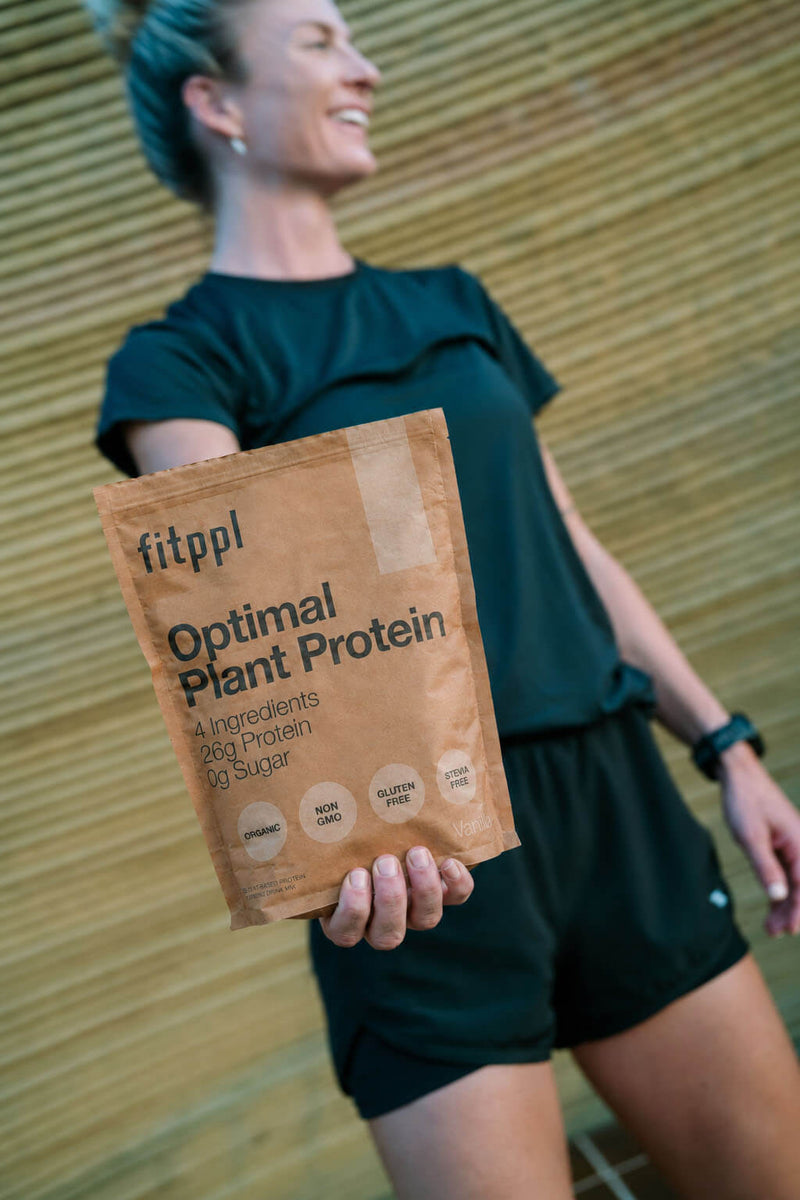
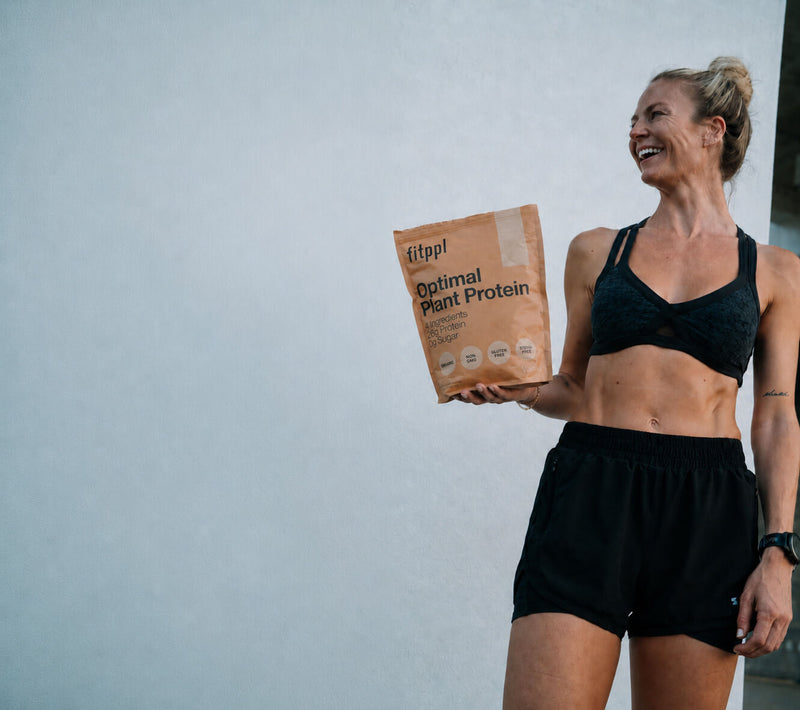
Leucine is the essential amino acid most tied to muscle building. Plant proteins contain it, but often in smaller amounts than animal proteins.2 Eating a bit more protein, choosing good sources like soy and pea, and blending sources closes the gap. That's one reason many plant-based athletes add a vegan protein powder.
Easy-to-find plant protein sources
Anyone who says plant foods aren't rich in protein hasn't met these.4
Lentils
A cooked cup of lentils has about 18 grams of protein, plus plenty of fiber. They're super versatile: add them to tacos, curries, soups and stir-fries.
Beans
Black beans, chickpeas, kidney beans and more all bring a solid dose of protein and fiber. Beans also help lower cholesterol and feed the healthy bacteria in your gut.
Edamame
Edamame are young soybeans, usually boiled or steamed. A cup has about 18 grams of protein, and like all soy, it's a complete protein.
Nuts and seeds
Peanuts are among the highest-protein nuts, with about 19 grams per half cup. Almonds and pistachios are great too. Among seeds, hemp seeds stand out with about 9 to 10 grams per ounce (about 3 tablespoons), and pumpkin and sunflower seeds are good choices as well.
Nutritional yeast
Nutritional yeast gives a cheesy flavor to popcorn, pasta and sauces, and it's a common ingredient in vegan cheese. It adds a little protein, and fortified versions are a handy source of B vitamins, including B12.
Great meat substitutes
Tofu and tempeh
Tofu is made from soybeans and works in nearly any dish. A 4-ounce serving has about 10 grams of protein or more, depending on how firm it is. Tempeh, made from fermented soybeans, is even higher in protein.
Other plant-based meats
Thanks to advances in food science, many supermarkets now carry plant-based products that mimic the texture of meat. Check the label for protein per serving and sodium.
The world is full of protein-rich foods
Increasing your protein on a plant-based diet takes a little planning, but the payoff is worth it. Mix these foods into your meals and add a plant protein powder when you need a boost.
Have questions? Contact us. We're here to help.
Sources 4
Numbers in the article link to these sources.
- Jäger R, et al. International Society of Sports Nutrition position stand: protein and exercise. JISSN, 2017.
- Gorissen SHM, et al. Protein content and amino acid composition of commercially available plant-based protein isolates. Amino Acids, 2018.
- Melina V, Craig W, Levin S. Position of the Academy of Nutrition and Dietetics: Vegetarian Diets. Journal of the Academy of Nutrition and Dietetics, 2016.
- US Department of Agriculture. FoodData Central.