10 Supplements Every Man Should Add to Their Diet
Walk down any supplement aisle and you'll find shelves of products marketed to men. That makes it hard to know what you actually need. The honest answer: supplements are there to fill...

Walk down any supplement aisle and you'll find shelves of products marketed to men. That makes it hard to know what you actually need.
The honest answer: supplements are there to fill gaps, not replace a good diet. The right ones for you depend on what you eat, how you train and what your blood work shows. Here are ten supplements men commonly consider, and what the evidence says about each.
1. Vitamin D
Vitamin D supports bone health and muscle function, and low levels are common, especially if you don't get much sun. Your skin makes vitamin D in sunlight, and you can also get it from fortified foods and fatty fish. Most adult men need 600 IU (15 mcg) a day, or 800 IU after age 70.1
You may have heard vitamin D boosts testosterone. One small early trial suggested it might in men who were deficient, but a 2026 review of randomized trials found no clear or reproducible effect on testosterone.2 Ask your doctor to check your levels and base any supplement on the results.
2. Magnesium
Magnesium helps with nerve and muscle function, blood sugar control, protein synthesis and bone health. Men 19 to 30 need about 400 mg a day from all sources, and men 31 and older need about 420 mg.3 Nuts, seeds, beans, leafy greens and whole grains are great sources. If you supplement, the upper limit for magnesium from supplements is 350 mg a day, since more can cause diarrhea.3
3. Omega-3s
Omega-3s are polyunsaturated fats. The main types are ALA, found in plants like flax, chia and walnuts, and EPA and DHA, found mainly in fish and algae. Your body can convert only small amounts of ALA into EPA and DHA.5
Fish oil is often sold for heart health, but in the large VITAL trial, omega-3 supplements didn't lower the rate of major heart events or cancer compared with placebo in healthy adults.4 Eating fish or plant omega-3 foods regularly is a good first step. If you don't eat fish, an algae-based omega-3 supplement is a plant-based option.
4. Probiotics
Probiotics are live microorganisms that may offer health benefits when consumed. Your gut is home to trillions of bacteria, and each person's microbiome is unique. Some probiotics may help with specific issues, like certain types of diarrhea, but the research is still developing and effects depend on the strain.6 Ask a healthcare professional which one, if any, fits your needs.
5. Electrolytes
Electrolytes are minerals with an electric charge, like sodium, potassium, chloride and magnesium. They help control fluid balance and muscle contractions, and you lose them in sweat. If you train hard, sweat heavily or work in the heat, an electrolyte drink can help you replace what you lose. For most everyday workouts, water and a normal diet are enough.
6. Zinc
Zinc supports your immune system, wound healing and normal testosterone levels. Men need about 11 mg a day. Zinc lozenges may shorten the common cold. Don't overdo it: the upper limit for adults is 40 mg a day, and too much over time can lower your copper levels.7
7. Fiber
Most adults don't get enough fiber.8 Fiber helps prevent constipation, lowers cholesterol and helps control blood sugar and appetite. Men 50 and younger should aim for about 38 grams a day, and men over 50 about 30 grams. Fruits, vegetables, whole grains and legumes come first. A fiber supplement, like psyllium, can help fill the gap.
8. Protein powder
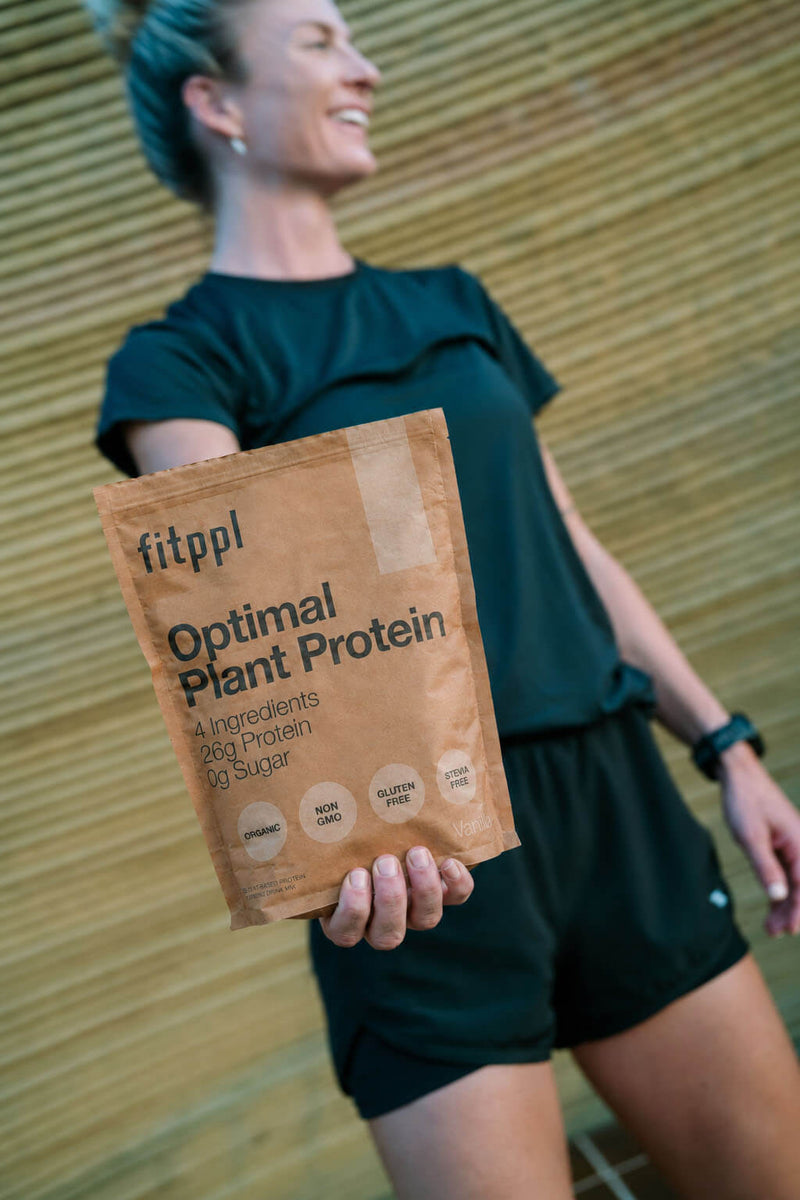
Protein powder is one of the most popular supplements for men, and a convenient way to get more protein. For muscle building and recovery, about 20 to 40 grams per serving is a useful dose, and active men often aim for about 1.4 to 2.0 grams of protein per kilogram of body weight a day.9 Choose whey if dairy works for you, or a plant-based protein powder. Read more about the benefits of vegan protein powder.
9. Curcumin
Curcumin is the main active compound in turmeric, with anti-inflammatory and antioxidant effects. Short-term inflammation is part of healing, but chronic inflammation is linked with many health problems. Curcumin is poorly absorbed on its own, so supplements often add black pepper extract (piperine). Turmeric supplements have been linked to rare cases of liver injury, and they may interact with some medications, so check with your doctor before taking them.10
10. Boron
Boron is a trace mineral found in raisins, almonds, prunes, avocados and chickpeas. It plays a role in bone health, but research on boron supplements is limited. For most men, eating plenty of fruits, vegetables and nuts covers it.
Supplements for men: the bottom line
Talk to your doctor to find out if you have a nutritional gap before adding supplements, and bring a list of everything you already take. Supplements are meant to boost a healthy diet, not replace it.
Questions? Drop us a line.
Sources 10
Numbers in the article link to these sources.
- NIH Office of Dietary Supplements. Vitamin D: fact sheet for health professionals.
- Paez-Allendes L, et al. Vitamin D supplementation, total testosterone, and androgen bioavailability markers in adult men: a systematic review and meta-analysis of randomized controlled trials. Nutrients, 2026.
- NIH Office of Dietary Supplements. Magnesium: fact sheet for health professionals.
- Manson JE, et al. Marine n-3 fatty acids and prevention of cardiovascular disease and cancer (VITAL). New England Journal of Medicine, 2019.
- NIH Office of Dietary Supplements. Omega-3 fatty acids: fact sheet for health professionals.
- NIH Office of Dietary Supplements. Probiotics: fact sheet for health professionals.
- NIH Office of Dietary Supplements. Zinc: fact sheet for health professionals.
- Quagliani D, Felt-Gunderson P. Closing America's fiber intake gap: communication strategies from a Food and Fiber Summit. American Journal of Lifestyle Medicine, 2017.
- Jäger R, et al. International Society of Sports Nutrition position stand: protein and exercise. JISSN, 2017.
- National Center for Complementary and Integrative Health (NCCIH). Turmeric.