Level Up: How to Take Your Workout Routine to the Next Level
No matter how old you are or where you're starting from, there are things you can do to level up your workout routine. And it's never too late: a large study found...

No matter how old you are or where you're starting from, there are things you can do to level up your workout routine. And it's never too late: a large study found that adults who became more active in midlife had a similarly lower risk of early death as those who had been active their whole adult lives.1
So whether you're just starting out or you've hit a plateau, it's time to shake things up. Here's how to push past it. Let's begin!
1. Build a better protein shake
Your muscles need fuel to grow and recover, and a protein shake is an easy place to start. Protein supplementation alongside resistance training increases gains in muscle mass and strength.2 Aim for about 20 to 40 grams of protein per shake.5
You can make it work harder by adding:
- Carbohydrates like a banana, oats or berries, to help refuel the glycogen your muscles use for energy
- Creatine, one of the best-supported supplements for strength and power training4
- Healthy fats like nut butter or seeds, for staying power if the shake is a meal
2. Don't stress about timing
Before or after your workout? Both work. A meta-analysis found that total daily protein mattered more than exact timing for muscle and strength gains.3 Have your shake when it fits your day, and focus on hitting your protein target consistently. Active people building muscle often aim for about 1.4 to 2.0 grams of protein per kilogram of body weight a day.5
3. Commit to your workout routine
Home workouts or the gym? Figure out which one you'll actually stick with. If the gym isn't for you, set up a spot at home with a few dumbbells or resistance bands. Then keep challenging yourself: add a little weight or a few reps over time, try new exercises, and change up your sets and rest periods so your body has something new to adapt to.
4. Improve your diet
A protein shake helps, but it won't do the trick alone. Focus on these four areas:
Calories
Your goal decides the number. Eat a little less than you burn to lose fat, or a little more to build muscle. Either way, know roughly where you stand.
Protein
Spread protein across your meals. Beans, lentils, tofu, tempeh, eggs, fish and lean meats all count, and a protein shake can fill the gaps.
Fiber
Fiber helps with digestion and keeps you full. You'll find it in fruits, vegetables, whole grains, beans and lentils.
Fats
Fats are important for energy and hormone health. Favor unsaturated fats from nuts, seeds, olive oil and avocado, and keep saturated fat in moderation.
As for meal timing, eat in the pattern that works for you. Despite the popular advice, research hasn't shown that eating more frequent small meals is better for body composition than fewer larger ones.6
5. Take care of your mind
Your mind is as important as your body for getting through workouts. Whether it's meditation, prayer, breathing exercises or a walk outside, take some quiet time each day for whatever helps you reset. A clearer head makes it easier to show up and push.
6. Cut back on alcohol
Alcohol carries no fitness benefits and can get in the way of your goals. In one study, drinking alcohol after a workout lowered muscle protein synthesis, even when protein was consumed with it.7
And if you struggle with alcohol, know that addiction is a health condition, not a moral failing. Reaching out to a doctor or a support group is a strong first step.
7. Dress the part
Motivation matters. One simple way to psych yourself up is to invest in comfortable workout gear you look good in and enjoy wearing.
8. Prioritize sleep
Your body repairs itself while you sleep. Sleep experts recommend adults get at least 7 hours a night on a regular basis.8 If you're dragging during the day, a short 15 to 30 minute nap can help you recharge, and cutting off caffeine in the afternoon can help protect your night's sleep.
Every workout routine hits a snag
Keep these tips in your back pocket. Every routine hits a plateau sooner or later, and when yours does, these are the levers to pull to get back on track.
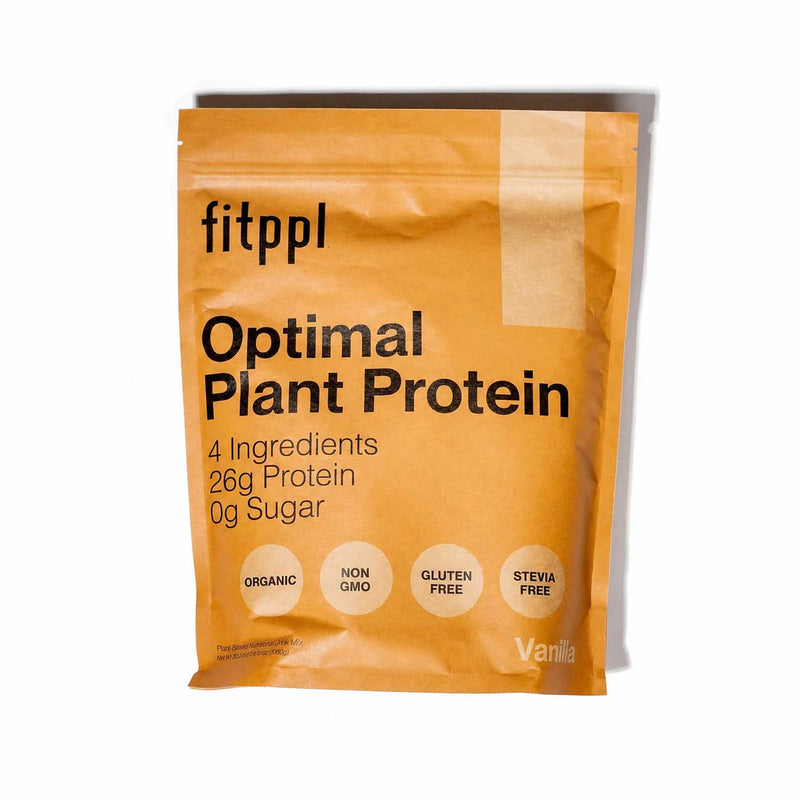
Looking for a protein to fuel it? Check out our Optimal Plant Protein, with 26 grams of organic pea and brown rice protein and 0 grams of sugar.
Sources 8
Numbers in the article link to these sources.
- Saint-Maurice PF, et al. Association of leisure-time physical activity across the adult life course with all-cause and cause-specific mortality. JAMA Network Open, 2019.
- Morton RW, et al. A systematic review, meta-analysis and meta-regression of the effect of protein supplementation on resistance training-induced gains in muscle mass and strength in healthy adults. Br J Sports Med, 2018.
- Schoenfeld BJ, Aragon AA, Krieger JW. The effect of protein timing on muscle strength and hypertrophy: a meta-analysis. JISSN, 2013.
- Kreider RB, et al. International Society of Sports Nutrition position stand: safety and efficacy of creatine supplementation in exercise, sport, and medicine. JISSN, 2017.
- Jäger R, et al. International Society of Sports Nutrition position stand: protein and exercise. JISSN, 2017.
- Schoenfeld BJ, Aragon AA, Krieger JW. Effects of meal frequency on weight loss and body composition: a meta-analysis. Nutrition Reviews, 2015.
- Parr EB, et al. Alcohol ingestion impairs maximal post-exercise rates of myofibrillar protein synthesis following a single bout of concurrent training. PLoS One, 2014.
- Watson NF, et al. Recommended amount of sleep for a healthy adult: a joint consensus statement of the American Academy of Sleep Medicine and Sleep Research Society. Sleep, 2015.