7 Surprising Health Benefits of Plant Based Proteins
Plant-based protein isn't just for vegans. Beans, lentils, soy, nuts, seeds and plant protein powders are a simple way to eat more protein, and research links them to some real health benefits....

Plant-based protein isn't just for vegans. Beans, lentils, soy, nuts, seeds and plant protein powders are a simple way to eat more protein, and research links them to some real health benefits.
Here are seven benefits of plant-based protein, what the research actually says, and how to get more of it.
1. A Healthier Heart and a Longer Life
A large review of 32 studies, covering more than 700,000 people, found that those who ate the most plant protein had an 8% lower risk of dying from any cause and a 12% lower risk of dying from heart disease. Each extra 3% of daily calories from plant protein was linked to a 5% lower risk of death.1
These studies show a link, not proof of cause and effect. People who eat more plant protein may also have other healthy habits. But the pattern is consistent.
2. Better Cholesterol Numbers
Soy protein has a small but steady effect on cholesterol. Across dozens of clinical trials, eating soy lowered LDL ("bad") cholesterol by about 4 to 6 mg/dL.2 That's modest on its own, but it adds up alongside other heart-healthy habits.
3. Muscle Growth That Matches Animal Protein
You don't need meat or whey to build muscle. In one trial, pea protein produced similar gains in muscle thickness to whey during 12 weeks of resistance training.4 A review of studies found no difference between soy and animal protein for gains in muscle mass and strength.3
Most single plant proteins are lower in at least one essential amino acid, so variety matters. Blending sources, like pea and rice, gives an amino acid profile close to animal protein.5
4. Feeling Fuller Between Meals
Protein helps you feel full. Higher-protein meals increase feelings of fullness, and higher-protein diets lead to more weight and fat loss while protecting muscle when you're eating fewer calories.6
Adding a scoop of plant protein powder to a smoothie or oatmeal is an easy way to make a meal more satisfying.
5. More Fiber
Whole-food plant proteins like beans, lentils, chickpeas and seeds come packaged with fiber, something animal proteins don't have. Only about 5% of Americans eat enough fiber, even though it's linked to better digestion and lower risk of heart disease, type 2 diabetes and some cancers.7
Protein powders usually contain little fiber, so pair them with fruit, oats or more vegetables.
6. Easier Digestion for Many People
Around two-thirds of adults worldwide have trouble digesting lactose, the sugar in milk.8 Plant proteins are naturally dairy-free and lactose-free, so they're a comfortable option if dairy-based shakes leave you bloated.
7. A Lighter Footprint on the Planet
The largest analysis of food's environmental impact, covering about 38,700 farms, found that even the lowest-impact animal products usually have a bigger environmental footprint than plant-based alternatives.9 Choosing more plant protein is one of the simplest ways to eat more sustainably.
Is Plant-Based Protein Good for You?
For most people, yes. The Academy of Nutrition and Dietetics says well-planned vegetarian and vegan diets are healthy and nutritionally adequate, and are linked to lower risk of heart disease, type 2 diabetes, high blood pressure and obesity.10 The key word is well-planned: eat a variety of plant proteins, and if you're vegan, get a reliable source of vitamin B12.
How to Get More Plant Protein
- Swap some meat for beans, lentils, tofu or tempeh a few times a week.
- Add hemp seeds, chia seeds or nuts to breakfast and salads.
- Blend a plant protein powder into a smoothie, oatmeal or baked goods.
- Mix your sources through the day to cover all the essential amino acids.
Want more ideas? See our guide to the 10 best plant-based protein sources. If you're choosing a powder, our guides to organic protein powder and the best plant-based protein powder explain what to look for.
The Bottom Line
Plant-based protein can do more than help you hit your protein goal. It's linked to a healthier heart and a longer life, it builds muscle as well as animal protein when you eat enough, and it's easier on your digestion and the planet.
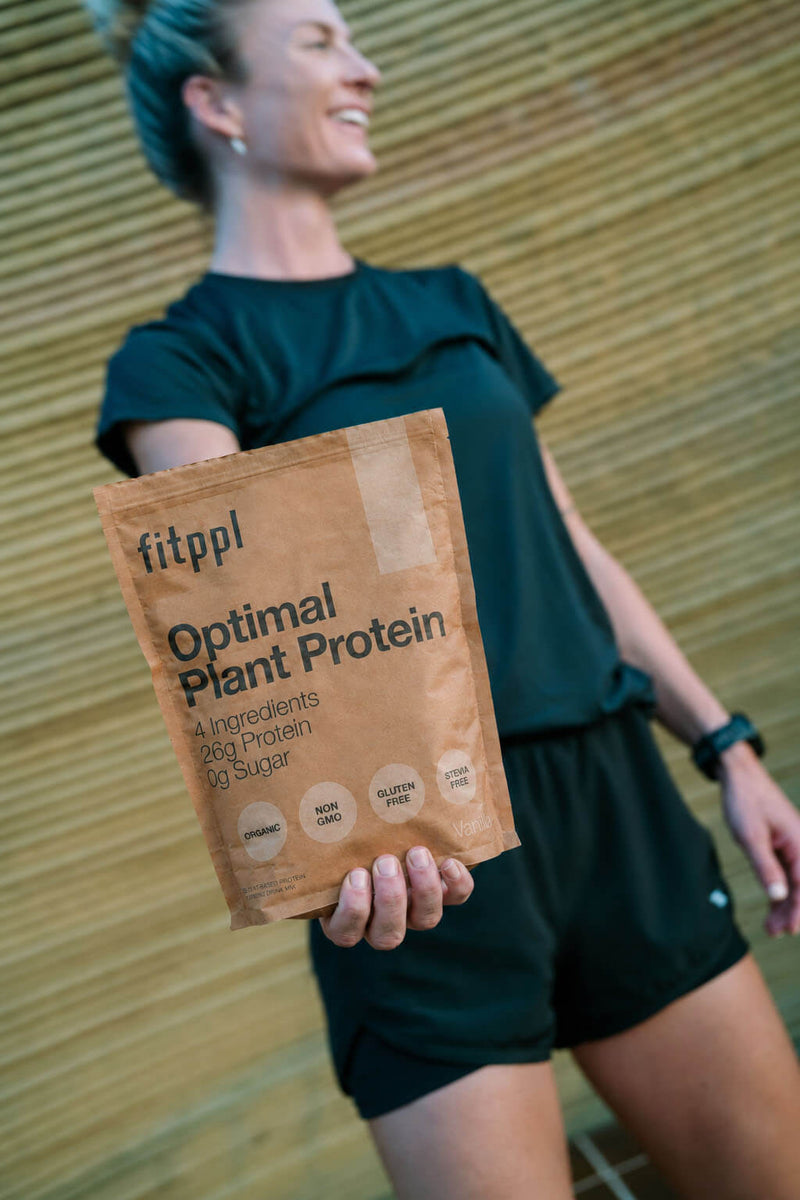
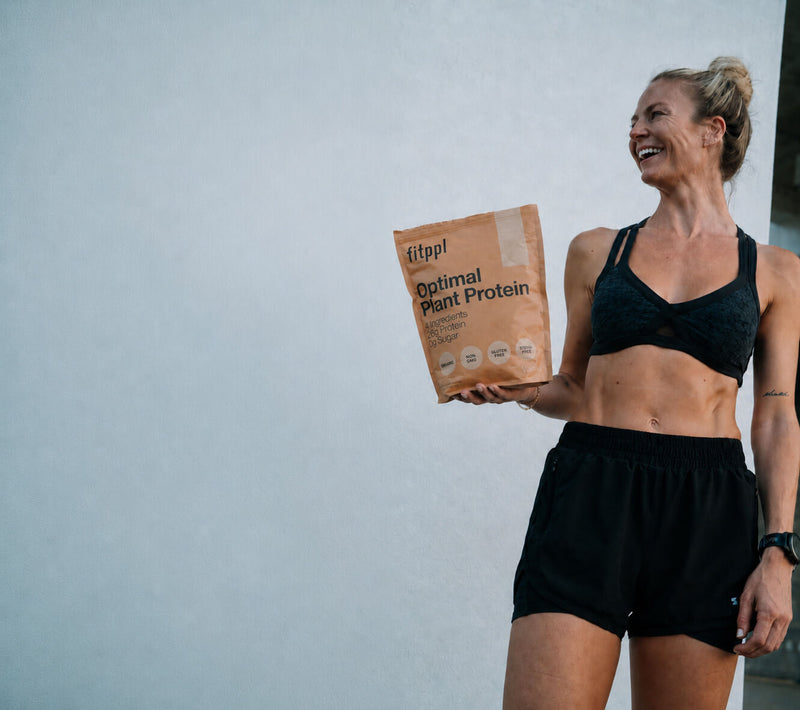
If you'd like a simple way to add more, try our Optimal Plant Protein.
Sources 10
Numbers in the article link to these sources.
- Naghshi S, et al. Dietary intake of total, animal, and plant proteins and risk of all cause, cardiovascular, and cancer mortality: systematic review and dose-response meta-analysis of prospective cohort studies. BMJ, 2020.
- Jenkins DJA, Blanco Mejia S, et al. Cumulative meta-analysis of the soy effect over time. Journal of the American Heart Association, 2019.
- Messina M, et al. No difference between the effects of supplementing with soy protein versus animal protein on gains in muscle mass and strength in response to resistance exercise. International Journal of Sport Nutrition and Exercise Metabolism, 2018.
- Babault N, et al. Pea proteins oral supplementation promotes muscle thickness gains during resistance training: a double-blind, randomized, placebo-controlled clinical trial vs. whey protein. Journal of the International Society of Sports Nutrition, 2015.
- Gorissen SH, et al. Protein content and amino acid composition of commercially available plant-based protein isolates. Amino Acids, 2018.
- Leidy HJ, Clifton PM, et al. The role of protein in weight loss and maintenance. American Journal of Clinical Nutrition, 2015.
- Quagliani D, Felt-Gunderson P. Closing America's fiber intake gap: communication strategies from a Food and Fiber Summit. American Journal of Lifestyle Medicine, 2017.
- Storhaug CL, Fosse SK, Fadnes LT. Country, regional, and global estimates for lactose malabsorption in adults: a systematic review and meta-analysis. Lancet Gastroenterology & Hepatology, 2017.
- Poore J, Nemecek T. Reducing food's environmental impacts through producers and consumers. Science, 2018.
- Melina V, Craig W, Levin S. Position of the Academy of Nutrition and Dietetics: Vegetarian Diets. Journal of the Academy of Nutrition and Dietetics, 2016.