8 Things to Know Before You Go Vegan
Before you decide to go vegan, there are some things you should know. Going vegan means cutting out animal products: meat, dairy, eggs and honey, and for many people, leather, animal-derived ingredients...

Before you decide to go vegan, there are some things you should know.
Going vegan means cutting out animal products: meat, dairy, eggs and honey, and for many people, leather, animal-derived ingredients and products tested on animals. People go vegan for their health, for the environment and to protect animals.
A well-planned vegan diet can be healthy at every stage of life.1 If you're interested in going vegan, here are eight things to know first.
1. Plan for B12 and other nutrients
Veganism is good for the planet, but there are a few nutrients you'll need to plan for. The big one is vitamin B12, which keeps your nerve and blood cells healthy. A deficiency can cause fatigue, weakness, nerve problems and more. B12 is found naturally only in animal foods, so vegans need a supplement or fortified foods.2
Iron needs attention too. Plant iron isn't absorbed as well as iron from meat, so eat plenty of beans, lentils, tofu, leafy greens, pumpkin seeds and raisins, and pair them with vitamin C to boost absorption. Also keep an eye on vitamin D, iodine and omega-3s.
2. Find alternative protein sources
Aim to include protein at every meal. Protein breaks down into amino acids that your body uses to build and repair cells. How much you need depends on your size and activity level.
Load up on lentils, beans, chickpeas, quinoa, tofu, tempeh and edamame. A plant-based protein powder makes it easy to top up.
3. Read food labels
Get used to reading labels. Many foods contain animal ingredients you might not expect, and you may discover a new favorite vegan snack along the way. A few to watch for: carmine (also called Natural Red 4), a red coloring made from insects, plus whey, casein and gelatin.
4. Plants can cover your calcium
Vegans need the same amount of calcium as everyone else, about 1,000 mg a day for most adults.3 The key is eating a variety of calcium-rich foods: calcium-set tofu (made with calcium sulfate), fortified plant milks and cereals, kale, bok choy, collard greens, almonds, figs and tahini.
You'll also need vitamin D to absorb calcium. Plant foods have very little, so get it from fortified foods, sunlight or a supplement.
5. Don't overdo processed meat substitutes
Soy foods are great for vegans. Tofu, tempeh, edamame, miso and soy milk are nutritious, minimally processed choices. Many plant-based meat substitutes, though, are highly processed and high in sodium, so treat them as an occasional convenience rather than a staple.
6. Vegan meals don't have to be expensive
Contrary to what you may have heard, going vegan doesn't have to break the bank. Products marketed as vegan often cost more, so skip most of them. Go back to basics: vegetables, fruit, nuts, grains, beans and lentils are some of the cheapest foods around.
7. Vegan diets can work for families
Appropriately planned vegan diets can be healthy for all stages of life, including pregnancy, infancy and childhood.1 Kids need careful attention to B12, iron, calcium, vitamin D, iodine and getting enough calories. Before switching your children's diet, read a detailed guide on vegan diets for children and infants, and talk with their pediatrician or a registered dietitian.
8. You can ease into it
You don't have to go vegan overnight. Make the switch slowly so your taste buds can adjust. Start with a few vegan meals a week and eat less meat in the rest.
Pairing up with a buddy can help you stay on track. You can discover new meals together and make a difference for your health and the planet.
Meal planning helps
Set aside one day a week to plan your meals. Planning makes sure you get enough protein, iron, calcium, B12 and other nutrients. Once you know how you'll replace animal products, it's time to get cooking with some vegan recipes.
The benefits of going vegan
A well-planned vegan diet has real health perks. Research links vegetarian and vegan diets with:4
- Lower body weight (BMI)
- Lower cholesterol and blood sugar
- Lower risk of heart disease
- Lower risk of cancer overall
These benefits depend on eating well and planning for the nutrients above.
Enjoy your new lifestyle
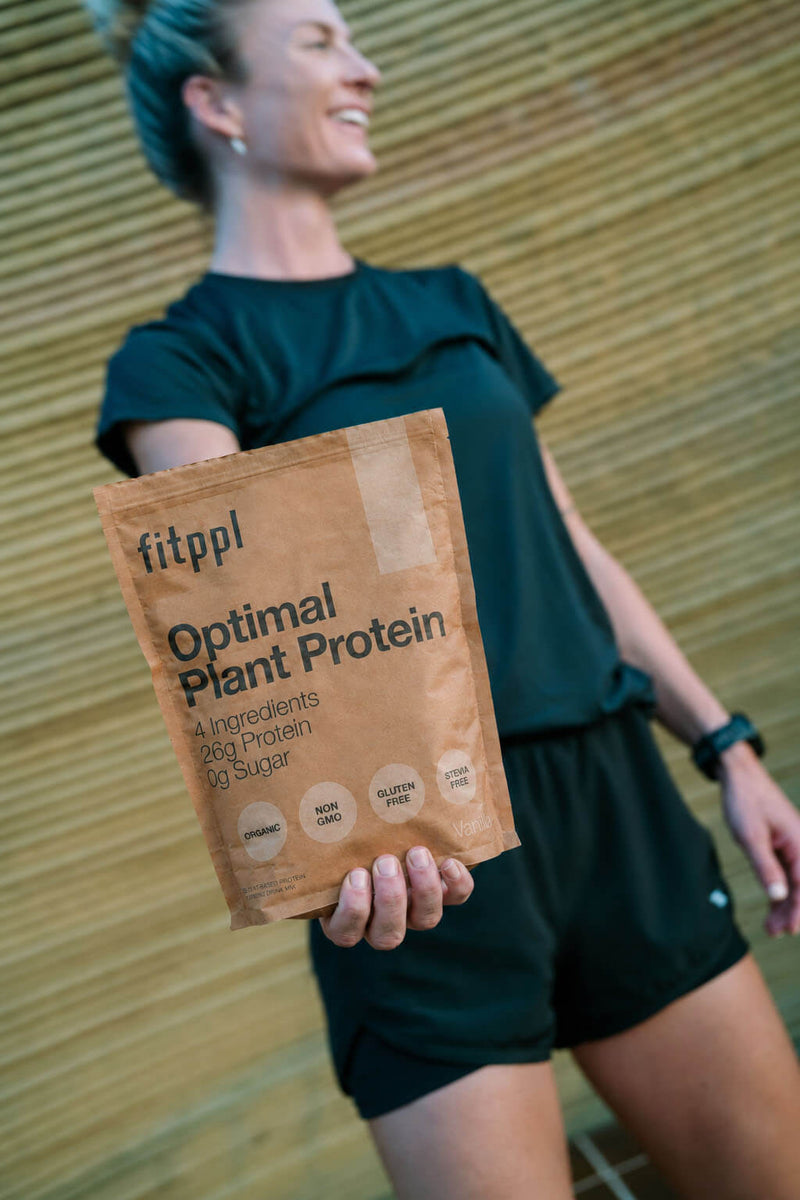
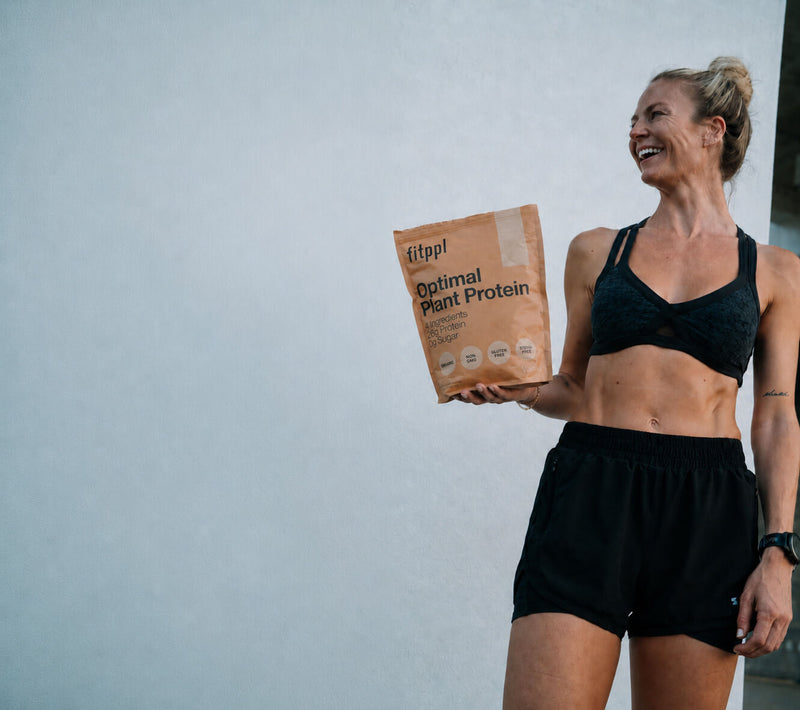
Now that you know these eight things, you're ready to take the next step. Ease in, plan ahead and enjoy discovering new foods. Need an easy protein boost? Check out our Optimal Plant Protein, with 26 grams of organic pea and brown rice protein and 0 grams of sugar.
Sources 4
Numbers in the article link to these sources.
- Melina V, Craig W, Levin S. Position of the Academy of Nutrition and Dietetics: Vegetarian Diets. Journal of the Academy of Nutrition and Dietetics, 2016.
- NIH Office of Dietary Supplements. Vitamin B12: fact sheet for health professionals.
- NIH Office of Dietary Supplements. Calcium: fact sheet for health professionals.
- Dinu M, et al. Vegetarian, vegan diets and multiple health outcomes: a systematic review with meta-analysis of observational studies. Critical Reviews in Food Science and Nutrition, 2017.