Top 5 Benefits of Vegan Protein Powder
Few things make it easier to hit your protein goals than a good protein powder. And a plant-based protein brings a few extra perks to the table. Whether you're fully vegan or...

Few things make it easier to hit your protein goals than a good protein powder. And a plant-based protein brings a few extra perks to the table.
Whether you're fully vegan or just want to try something new, here are the top benefits of vegan protein powder, and what the research says about each.
1. It's dairy-free
Did you know that about two-thirds of adults worldwide have trouble digesting lactose, the natural sugar in milk?1 For many people, that means bloating, gas or an upset stomach after dairy, including some whey protein powders.
A vegan protein powder lets you get the protein you need without the dairy. If you're not sure whether dairy bothers you, try cutting it for a few weeks and notice how you feel, ideally with guidance from your doctor or a dietitian.
2. It builds muscle like animal protein
There's a common belief that plant protein can't keep up with whey. The research says otherwise. In a 12-week trial, people who took pea protein alongside resistance training gained muscle thickness on par with those taking whey.2 A review comparing soy to animal protein found no difference in gains in muscle mass or strength.3
The keys are getting enough protein per serving and choosing a balanced source. Blends like pea and brown rice cover each other's amino acid gaps.6
3. It's linked with better long-term health
A large review of prospective studies found that people who ate more plant protein had a lower risk of death from all causes and from heart disease.4 Those studies looked at overall diet, not powders specifically, but a plant protein powder is an easy way to shift more of your protein toward plants.
4. It's easier on the planet
Plant proteins like peas generally have a much smaller environmental footprint than animal proteins, with lower greenhouse gas emissions and far less land use.5 Choosing plant protein is one simple, everyday way to eat more sustainably.
5. It's great in recipes
Protein powder isn't just for shakes. Plant protein tends to thicken as it absorbs liquid, which makes it a great fit for smoothie bowls, oatmeal, pancakes, energy bites and baked goods. Start by swapping a small amount of flour for protein powder and adjust the liquid as you go. Need ideas? Try these plant protein shake and smoothie recipes.
How to choose a good vegan protein powder
- About 20 grams of protein or more per serving
- A balanced protein source, like a pea and rice blend or soy
- A short ingredient list, with little or no added sugar
- A flavor you'll actually look forward to
For a deeper dive, read what your vegan protein powder should contain.
Ready to try it?
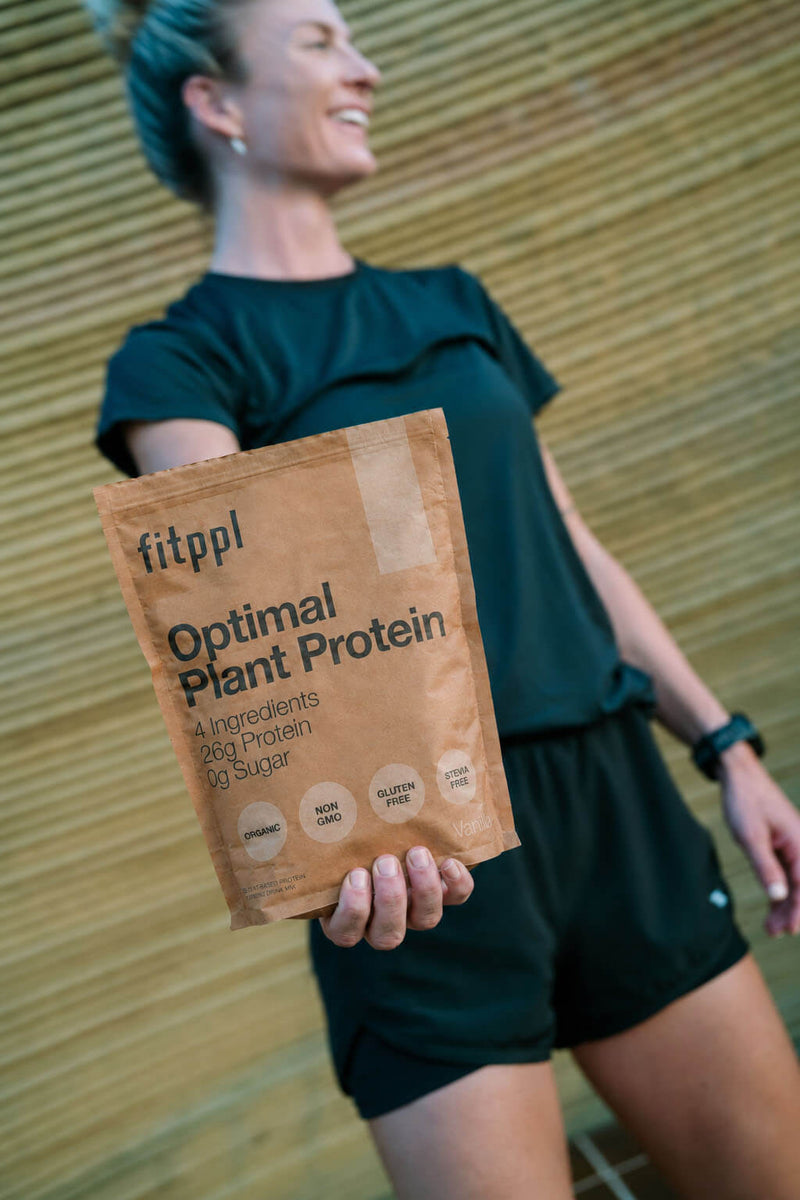
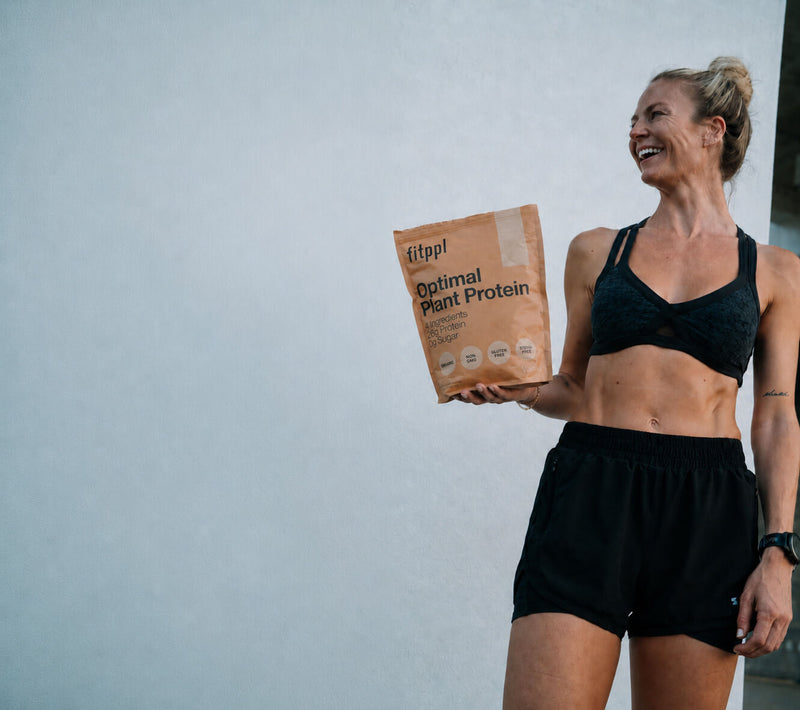
Our Optimal Plant Protein has 26 grams of organic pea and brown rice protein, 0 grams of sugar and just 4 ingredients, with no dairy, soy, stevia or seed oils.
Sources 6
Numbers in the article link to these sources.
- Storhaug CL, Fosse SK, Fadnes LT. Country, regional, and global estimates for lactose malabsorption in adults: a systematic review and meta-analysis. Lancet Gastroenterology & Hepatology, 2017.
- Babault N, et al. Pea proteins oral supplementation promotes muscle thickness gains during resistance training: a double-blind, randomized, placebo-controlled clinical trial vs. whey protein. JISSN, 2015.
- Messina M, et al. No difference between the effects of supplementing with soy protein versus animal protein on gains in muscle mass and strength in response to resistance exercise. IJSNEM, 2018.
- Naghshi S, et al. Dietary intake of total, animal, and plant proteins and risk of all cause, cardiovascular, and cancer mortality: systematic review and dose-response meta-analysis of prospective cohort studies. BMJ, 2020.
- Poore J, Nemecek T. Reducing food's environmental impacts through producers and consumers. Science, 2018.
- Gorissen SHM, et al. Protein content and amino acid composition of commercially available plant-based protein isolates. Amino Acids, 2018.