What Should My Vegan Protein Powder Contain?
About 1% of U.S. adults identify as vegan, and many more are eating plant-based more often.1 Protein powder is one of the easiest ways to get enough protein on a plant-based diet,...

About 1% of U.S. adults identify as vegan, and many more are eating plant-based more often.1 Protein powder is one of the easiest ways to get enough protein on a plant-based diet, but labels can be confusing, and many protein powders are made with whey, a milk protein.
So what should a vegan protein powder actually contain? Here's what to look for, and what to skip.
1. A Quality Plant Protein Base
Most vegan protein powders are built on concentrated plant proteins. The most common are:
- Pea protein, usually from yellow split peas, is one of the most popular bases.
- Brown rice protein pairs well with pea protein.
- Soy protein is one of the few plant proteins with all nine essential amino acids in good amounts.
- Hemp and seed proteins, like pumpkin seed, add variety.
2. A Blend for Complete Amino Acids
Most single plant proteins are low in at least one essential amino acid. Legumes like peas tend to be low in methionine, while grains like rice are low in lysine.2 That's why many vegan protein powders combine sources. A pea and rice blend gives you an amino acid profile close to animal protein.2
3. Enough Protein per Serving
Check how much protein you get per scoop. Most active adults do well with 20 to 40g of protein per meal or shake,3 so look for a powder that delivers about 20 to 30g per serving.
4. Little or No Added Sugar
Some protein powders add sugar to improve the taste. Look for one with little or no added sugar.
Low-sugar powders are often sweetened with non-sugar sweeteners like sucralose, stevia or monk fruit. The WHO advises against relying on non-sugar sweeteners for long-term weight control,4 so if you'd rather keep them to a minimum, choose an unsweetened powder or one with a single, simple sweetener.
5. Optional Extras
Some vegan protein powders add extras like greens, seeds, omega-3s from algae or adaptogenic mushrooms. These can be nice additions, but the amounts in a scoop are usually small. Don't pay extra for a long list of add-ins if the protein itself isn't solid. If you want greens, a separate greens and reds powder gives you a more meaningful dose.
6. Third-Party Testing
Tests have found trace heavy metals like lead and cadmium in some protein powders. One risk assessment found that typical intake is unlikely to cause harm,5 but levels vary by product. Choose a brand that uses independent, third-party testing and shares the results.
7. Certifications That Matter to You
If you avoid gluten, look for a powder labeled or certified gluten-free. In the U.S., gluten-free foods must contain less than 20 parts per million of gluten.6 Organic and Non-GMO Project Verified seals can also help if those matter to you.
What to Skip
- Added sugars high on the ingredient list
- Long lists of fillers, gums and thickeners you don't recognize
- Proprietary blends that hide how much of each ingredient you're getting
- Products with no information about testing
The Bottom Line
The best vegan protein powder has a solid plant protein base (ideally a blend), enough protein per serving, little or no added sugar, a short ingredient list, and third-party testing.
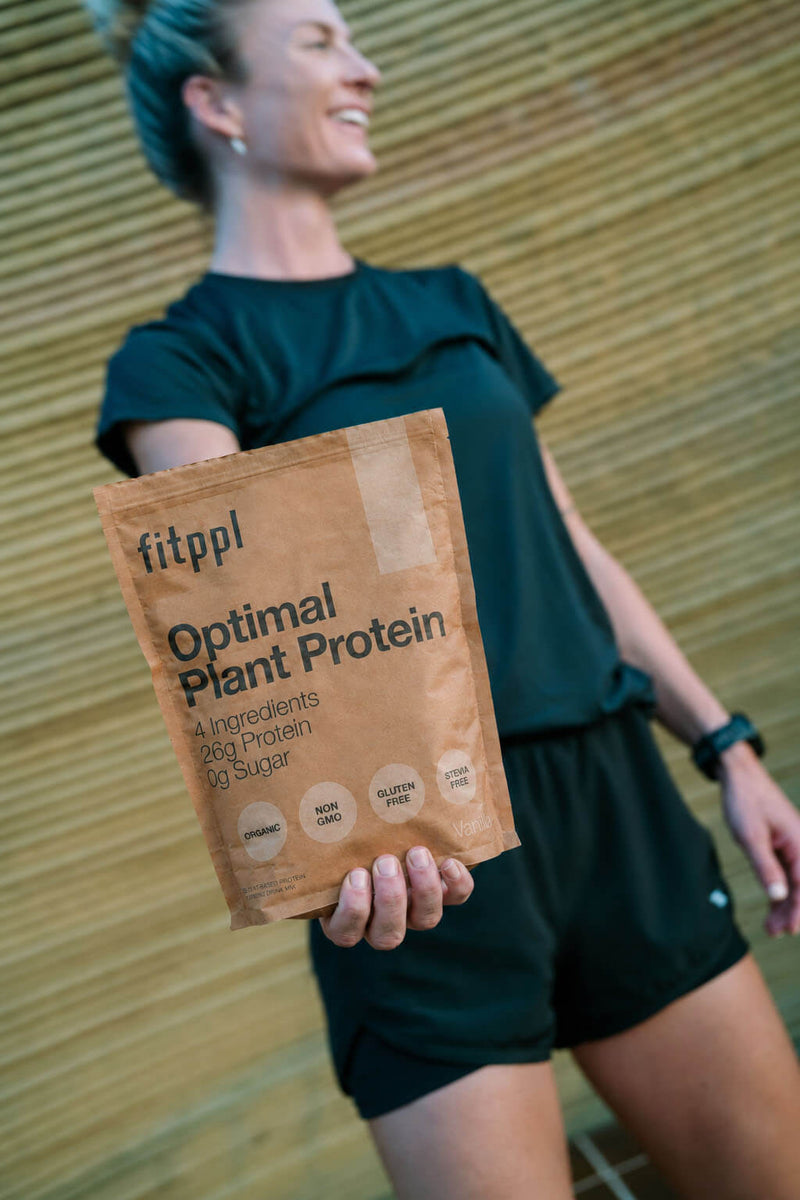
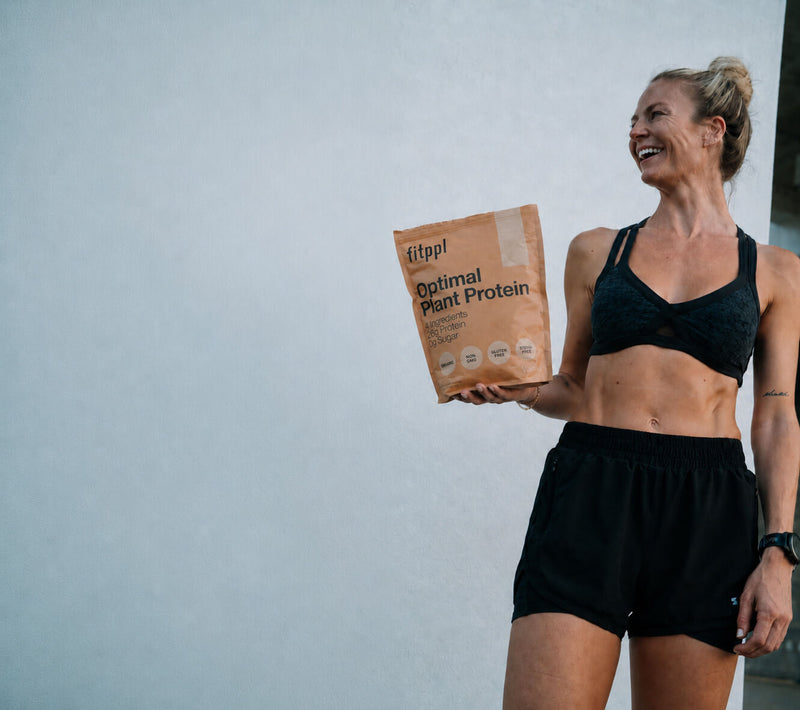
Our Optimal Plant Protein blends organic pea and brown rice protein for 26g of protein per serving, with just 4 ingredients and no added sugar. Or explore our clean vegan protein.
Sources 6
Numbers in the article link to these sources.
- Gallup. In U.S., 4% identify as vegetarian, 1% as vegan. 2023.
- Gorissen SH, et al. Protein content and amino acid composition of commercially available plant-based protein isolates. Amino Acids, 2018.
- Jäger R, et al. International Society of Sports Nutrition Position Stand: protein and exercise. Journal of the International Society of Sports Nutrition, 2017.
- World Health Organization. Use of non-sugar sweeteners: WHO guideline. 2023.
- Bandara SB, Towle KM, Monnot AD. A human health risk assessment of heavy metal ingestion among consumers of protein powder supplements. Toxicology Reports, 2020.
- NPR. FDA approves 'gluten-free' label: foods can't contain more than 20 parts per million of gluten. 2013.