

0g sugar, 5g carbs, 26g protein
Best Protein Powder for Diabetics
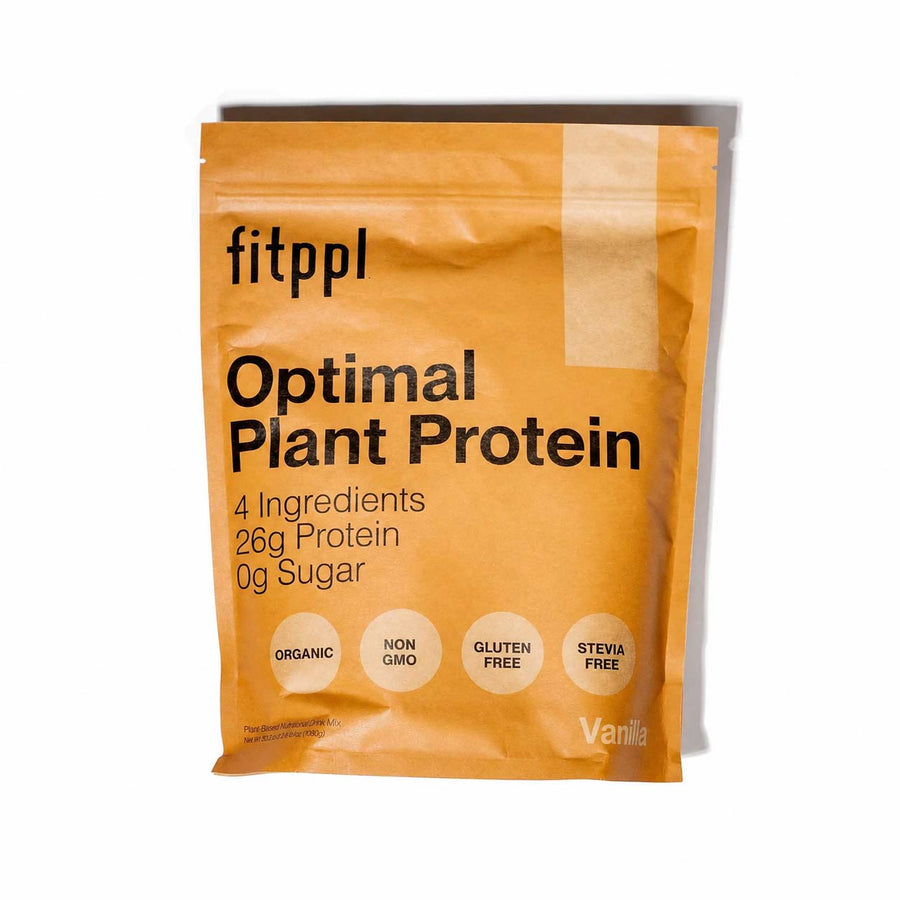
Plant protein sweetened only with monk fruit. Each serving (36g) of Optimal has 26g of protein, 5g of carbs and 0g of sugar.
4.9 average from 95 reviews

Per serving (36g)
Optimal Plant Protein
From the Nutrition Facts label.
Optimal Plant Protein
26g of protein, 0g of sugar and four organic ingredients.
-
Optimal Plant Protein
Our simplest formula: organic pea and brown rice protein, vanilla and monk fruit.
- Protein
- 26g per serving
- Protein from
- Organic pea and brown rice
- Sweetened with
- Organic monk fruit
- Sugar
- 0g
- Certified
- Organic, Non-GMO, gluten-free
Best for: the most protein from the fewest ingredients.
$69.99$59.49 with subscribe & save
Shop now
From people cutting back on sugar
4.9 average from 95 reviews of Optimal Plant Protein. Quotes from verified buyers.
-
Fitppl
“Good, clean ingredients, and the taste is perfect, not too sweet and not too bland. The biggest thing for me is cutting down on the sugar intake and this plant Protein seems to hit all of the checkpoints needed for someone like me”
Gerves F.Verified buyer · Optimal Plant Protein -
Optimal Plant Protein
“True to its name, this is one of, if not the cleanest plant-based protein powder I've consumed. The straightforward pea and rice protein blend and the absence of artificial sweeteners makes this a very versatile and highly digestible powder. Great product from a great local business. Highly recommended!”
Jordan A.Verified buyer · Optimal Plant Protein -
So good!
“I love this protein powder. The ingredients are great and there's no stevia or gross after taste. Highly recommend!”
Andrea C.Verified buyer · Optimal Plant Protein
What is the best protein powder for people with diabetes?
The best protein powder for diabetes has plenty of protein, little or no sugar and few carbs, with a sweetener you're comfortable with. Protein itself has very little effect on blood sugar. In one study of people with type 2 diabetes, eating 50g of protein led to only about 2g of glucose showing up in the blood.2 The bigger risks are what gets added: sugar, maltodextrin, fruit juice powders and large amounts of carbs.
Check the label for:
- Sugar. 0g to 2g of added sugar. The American Diabetes Association recommends keeping added sugar to a minimum.1
- Total carbs. Under about 10g per serving keeps a plain shake low in carbs. Remember to count anything you blend in.
- Maltodextrin and other starches. These are carbs that raise blood sugar quickly and often appear in cheaper powders and meal-replacement shakes.
- Sweetener. No-calorie sweeteners are an option for many people with diabetes, used in moderation.1
- Protein per serving. 20g or more gives you a filling, useful dose.
Here's Optimal Plant Protein, straight from the label:9
| Per serving (36g) | Optimal Plant Protein |
|---|---|
| Protein | 26g |
| Calories | 150 |
| Total carbs | 5g, with 1g of fiber |
| Sugar | 0g |
| Fat | 2.5g |
| Sweetened with | Organic monk fruit |
| Ingredients | 4: organic pea protein, organic brown rice protein, organic vanilla, organic monk fruit |
Can people with diabetes drink protein shakes?
Yes, most people with diabetes can drink protein shakes, as long as they read the label. A shake made with a low-sugar powder and water or unsweetened milk adds protein with very few carbs. A ready-to-drink shake or meal replacement can be a different story, since some carry as much sugar as a soda.
If you use insulin or medications that can cause low blood sugar, talk with your care team about how a shake fits your plan. The ADA notes that meals high in protein and fat can change how much insulin some people need.1
Does protein raise blood sugar?
Not much. Your body can turn some protein into glucose, but it happens slowly and in small amounts. That's why the 50g of protein in the study above produced only about 2g of glucose in the blood.2
Protein can also blunt the rise in blood sugar after a carb-containing meal. A 2023 review pooled 16 trials of whey protein taken before a meal, with 244 people in total. Peak blood sugar after the meal was about 1.4 mmol/L, or about 25 mg/dL, lower than with water, and the effect was stronger in people with type 2 diabetes.4 In a small study of 15 people with type 2 diabetes, 50g of whey before breakfast lowered blood sugar after the meal by about 28%.3
Plant protein may do something similar. In a trial of 31 healthy adults, taking 25g of pea protein with a sugary drink lowered the blood sugar response by 31%, and 50g lowered it by 53%. That study didn't include people with diabetes, and some of its authors work for a pea protein maker, so treat it as an early signal.5
What protein shakes are safe for diabetics?
A shake is a good fit if it's low in sugar, low in carbs and high in protein. Simple powders mixed at home give you the most control. Watch out for:
- Mass gainers. Built to add calories, often with 50g or more of carbs per serving.
- Meal-replacement shakes. Some are balanced, others are mostly sugar and starch. Read the carbs.
- Smoothie shop add-ins. Juice, sherbet, honey and sweetened yogurt add up quickly.
Mix Optimal with water or unsweetened almond milk for a shake with 5g of carbs from the powder.9 If you add fruit, count it toward your carbs.
What is the healthiest protein for a diabetic?
The ADA doesn't name one best protein. It recommends an eating pattern built around vegetables, legumes, whole grains, fish, nuts and lean proteins, tailored to the person.1 Plant proteins have some extra appeal. In a study of more than 300,000 people, plant-based eating patterns were linked to a 23% lower risk of developing type 2 diabetes.6 That kind of study shows a link, not proof of cause, but it fits with other research on beans, nuts and whole grains.
Good options include fish, chicken, eggs, Greek yogurt, tofu, tempeh, beans and lentils, plus a protein powder on busy days. Pea and brown rice protein, like the protein in Optimal, are plant proteins without the carbs that come with whole beans.
Is whey or plant protein better for diabetes?
Whey has the most research behind it for lowering blood sugar after meals, mostly in studies where people drank it before eating.4 Pea protein has early, promising results but far fewer studies.5 Over the long term, eating patterns rich in plant foods are linked to lower diabetes risk.6
In practice, the best choice is a low-sugar powder you tolerate and enjoy. If dairy upsets your stomach, a plant protein like Optimal is the easier daily habit.
How much protein should a diabetic eat?
For most adults with diabetes and healthy kidneys, there's no evidence that changing protein from usual amounts improves blood sugar. The ADA describes typical intake as around 0.8g to 1.5g per kilogram a day, or 15% to 20% of calories, and says plans should be individualized.1
Kidney disease is the big exception. For people with diabetes and chronic kidney disease who aren't on dialysis, guidelines recommend about 0.8g of protein per kilogram a day.7 If you have kidney disease, check with your doctor before adding a protein supplement.
Is monk fruit safe for diabetics?
Monk fruit extract is a no-calorie sweetener made from a small melon called luo han guo. Its sweetness comes from compounds called mogrosides, not sugar, which is why Optimal can taste sweet with 0g of sugar.9 The FDA has accepted monk fruit extract as generally recognized as safe.11
The ADA says no-calorie sweeteners can be an acceptable substitute for sugar when used in moderation.1 The World Health Organization advises against relying on non-sugar sweeteners for weight control and suggests reducing sweetness overall.8 A practical middle ground: use lightly sweetened foods and drinks, and don't use sweeteners as a reason to eat more.
Which sweeteners should diabetics watch in protein powder?
- Sugar, cane sugar, coconut sugar and honey. All count as added sugar.
- Maltodextrin and dextrose. Fast-digesting carbs that can raise blood sugar sharply.
- Sugar alcohols. They have less effect on blood sugar than sugar, but some, like maltitol, still raise it, and many cause gas or bloating.
- Sucralose and stevia. No-calorie options. Some people like them, others dislike the aftertaste. See is stevia in protein powder bad.
Are meal replacement shakes good for diabetics?
Under medical supervision, they can be powerful. In the DiRECT trial, adults with type 2 diabetes followed a low-calorie formula diet followed by gradual food reintroduction, and 46% were in remission at one year.12 That was a structured program with clinical support, not a shake added to a normal diet.
Everyday meal-replacement shakes vary a lot. Some are balanced, and some are high in sugar and starch. A protein powder like Optimal isn't a complete meal, but you can build one by blending it with milk, berries and a spoonful of nut butter.
When should a diabetic drink a protein shake?
Many people find a shake works well at breakfast, when it replaces a high-carb meal like cereal or pastries. Because protein before a meal can lower the post-meal glucose rise, some people also drink a small shake before a carb-heavy meal.4 After exercise is another good time.
One important note: protein shouldn't be used to treat low blood sugar. The ADA advises against using carbohydrate sources that are high in protein to treat or prevent lows, because protein can raise insulin without raising glucose much.1 Use fast-acting glucose instead, as your care team recommends.
What about type 1 diabetes?
People with type 1 diabetes can use protein powder too. A plain shake with water has few carbs, but larger amounts of protein and fat can raise blood sugar later, sometimes hours after eating. The ADA notes that high-protein, high-fat meals may need insulin adjustments.1 Watch your glucose after a new shake routine, and ask your care team how to dose for it.
Do protein shakes help with type 2 diabetes?
A protein shake doesn't treat diabetes. It can make it easier to build a lower-carb, higher-protein breakfast or snack, stay full and keep muscle as you get older or lose weight. If you're trying to lose weight, see our page on the best protein powder for weight loss. If you take a GLP-1 medication, see the best protein powder for GLP-1.
Low-carb ways to use protein powder
- Simple shake. One serving (36g) of Optimal with 10oz to 12oz of water or unsweetened almond milk.
- Berry shake. Add half a cup of raspberries or strawberries, which are lower in sugar than most fruit.
- Protein coffee. Blend a serving into cold brew. See the best protein powder for coffee.
- Protein yogurt bowl. Stir half a serving into plain Greek yogurt and top with nuts.
For more detail, read our guide to protein powder for diabetics.
Why we make Optimal this way
- 0g of sugar. 5g of carbs and 26g of protein per serving (36g).9
- Monk fruit only. No stevia, erythritol, sucralose or other artificial sweeteners.
- Four ingredients. Organic pea protein, organic brown rice protein, organic vanilla and organic monk fruit. No maltodextrin, gums or fillers.
- Tested. We publish our heavy metal results from Light Labs, an independent lab.
- Certified. USDA Organic, Non-GMO Project Verified and certified gluten-free.
This page is general information, not medical advice. Protein powders are dietary supplements, and the FDA doesn't approve them before they're sold.10 Check with your doctor or diabetes educator before making changes, especially if you use insulin.
Sources
- American Diabetes Association Professional Practice Committee. 5. Facilitating positive health behaviors and well-being to improve health outcomes: Standards of Care in Diabetes, 2026. Diabetes Care, 2026.
- Gannon MC, Nuttall JA, et al. Effect of protein ingestion on the glucose appearance rate in people with type 2 diabetes. Journal of Clinical Endocrinology and Metabolism, 2001.
- Jakubowicz D, Froy O, et al. Incretin, insulinotropic and glucose-lowering effects of whey protein pre-load in type 2 diabetes: a randomised clinical trial. Diabetologia, 2014.
- Smedegaard S, et al. Whey protein premeal lowers postprandial glucose concentrations in adults compared with water: a systematic review and meta-analysis. American Journal of Clinical Nutrition, 2023.
- Thondre PS, et al. Co-ingestion of pea protein and a high-carbohydrate beverage influences the glycaemic, insulinaemic, GIP and GLP-1 responses: preliminary results of a randomised controlled trial. European Journal of Nutrition, 2021.
- Qian F, Liu G, et al. Association between plant-based dietary patterns and risk of type 2 diabetes: a systematic review and meta-analysis. JAMA Internal Medicine, 2019.
- Kidney Disease: Improving Global Outcomes (KDIGO) Diabetes Work Group. KDIGO 2020 clinical practice guideline for diabetes management in chronic kidney disease. Kidney International, 2020.
- World Health Organization. Use of non-sugar sweeteners: WHO guideline. 2023.
- fitppl. Optimal Plant Protein Nutrition Facts and ingredient list.
- U.S. Food and Drug Administration. Questions and answers on dietary supplements.
- U.S. Food and Drug Administration. GRAS notices for Siraitia grosvenorii (luo han guo) fruit extract.
- Lean MEJ, et al. Primary care-led weight management for remission of type 2 diabetes (DiRECT): an open-label, cluster-randomised trial. The Lancet, 2018.
Questions, answered
Quick answers about Optimal.
How many carbs are in Optimal?
Each serving (36g) has 5g of total carbs, including 1g of fiber, and 0g of sugar. Mixed with water or unsweetened almond milk, it makes a low-carb shake. Count anything else you blend in.
What sweetener is in Optimal?
Only organic monk fruit, a no-calorie sweetener. There's no sugar, stevia, erythritol, sucralose or maltodextrin.
Can I use Optimal to treat low blood sugar?
No. Protein isn't a good way to treat a low. The American Diabetes Association advises using fast-acting glucose instead. Follow the plan your care team gave you.
Is Optimal safe if I have kidney disease?
People with diabetes and chronic kidney disease often need to limit protein. Ask your doctor or dietitian before adding any protein powder, including Optimal.
Does Optimal contain maltodextrin or fillers?
No. Optimal has four ingredients: organic pea protein, organic brown rice protein, organic vanilla and organic monk fruit. There's no maltodextrin, gums or fillers.
When is a good time to have Optimal?
Many people use it at breakfast in place of a high-carb meal, or after exercise. If you use insulin, ask your care team how a higher-protein meal fits your dosing.