

No dairy, no gums, no sugar alcohols
Best Protein Powder for Sensitive Stomach
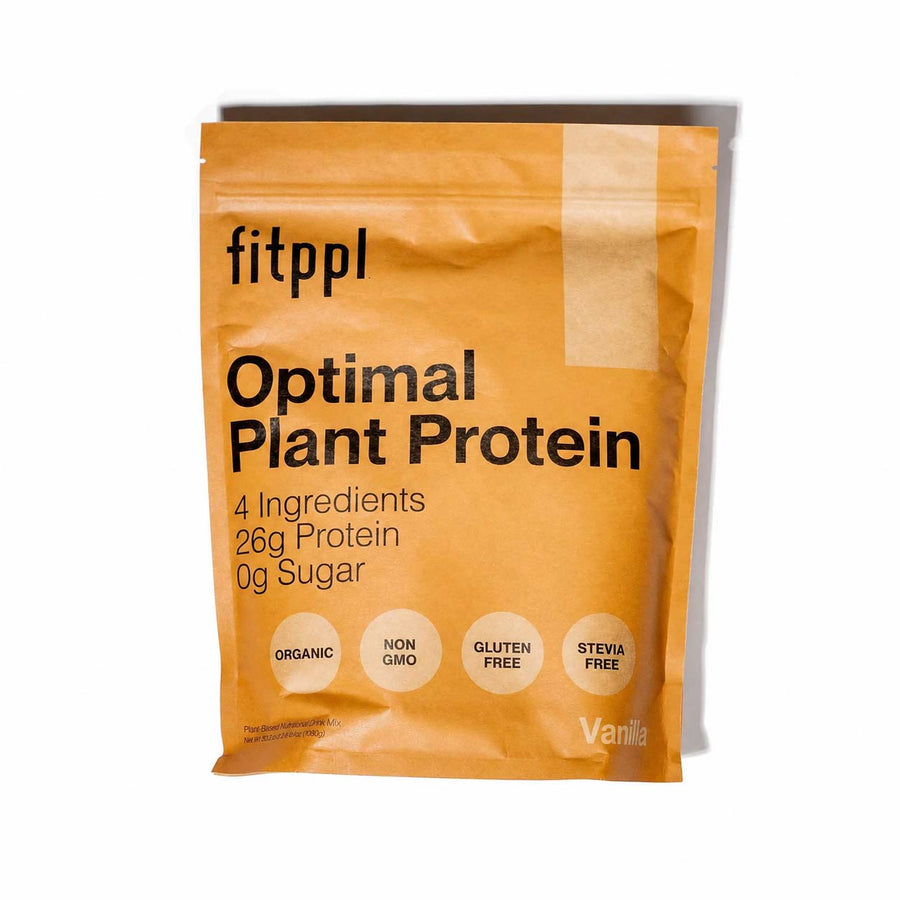
Four-ingredient plant protein without the usual stomach troublemakers. Each serving (36g) of Optimal has 26g of protein and 0g of sugar.
4.9 average from 95 reviews

Per serving (36g)
Optimal Plant Protein
From the Nutrition Facts label and ingredient list.
Optimal Plant Protein
Organic pea and brown rice protein, vanilla and monk fruit. Nothing else.
-
Optimal Plant Protein
Our simplest formula: organic pea and brown rice protein, vanilla and monk fruit.
- Protein
- 26g per serving
- Protein from
- Organic pea and brown rice
- Sweetened with
- Organic monk fruit
- Sugar
- 0g
- Certified
- Organic, Non-GMO, gluten-free
Best for: the most protein from the fewest ingredients.
$69.99$59.49 with subscribe & save
Shop now
From people who usually avoid protein powder
4.9 average from 95 reviews of Optimal Plant Protein. Quotes from verified buyers.
-
Great Product
“Finally found a complete protein that doesn't leave me bloated and gassy. A little pricey for the bag, but worth it.”
Mark V.Verified buyer · Optimal Plant Protein -
THE BEST
“FINALLY! A complete protein powder with simple, clean ingredients, the perfect Aminos and high protein!! It doesn't taste fake nor does it bother my stomach. A win in so many ways! Thank you!”
Marie P.Verified buyer · Optimal Plant Protein -
Great Product!
“Love this product. It is easy to mix and is so light and easy to digest. There are not many plant proteins that are so light and easy to mix! And it tastes great!”
Kamalli G.Verified buyer · Optimal Plant Protein
What is the best protein powder for a sensitive stomach?
The best protein powder for a sensitive stomach is usually the one with the fewest extras. When a shake leaves you bloated or running to the bathroom, the protein itself is often not the problem. The usual suspects are lactose, sugar alcohols, added fibers like inulin, and thickeners.34
When you shop, look for:
- No lactose. Choose a plant protein or a whey isolate rather than a whey concentrate.
- No sugar alcohols. Sorbitol, mannitol, maltitol, xylitol and erythritol can cause gas, bloating and loose stools in some people.
- No added prebiotic fibers. Inulin, chicory root and FOS are often added for "gut health" but are common triggers for people with IBS.4
- Few or no gums. Thickeners aren't needed for protein, and removing them takes one more variable off the table.
- A short ingredient list. If something bothers you, a short list makes it easier to figure out what.
Here's Optimal Plant Protein, straight from the label:1
| Per serving (36g) | Optimal Plant Protein |
|---|---|
| Protein | 26g |
| Calories | 150 |
| Sugar | 0g |
| Fiber | 1g |
| Ingredients | 4: organic pea protein, organic brown rice protein, organic vanilla, organic monk fruit |
| Dairy or lactose | None |
| Sugar alcohols, gums, inulin or chicory root | None |
| Gluten | Certified gluten-free |
Which protein powder is gut friendly?
A gut-friendly protein powder is one your gut tolerates, and that's personal. Still, a few patterns hold for most people. Powders with no dairy, no sugar alcohols and no added fibers are the least likely to cause trouble. Plant proteins like pea and brown rice are naturally lactose-free, and many people who struggle with whey do better on them.
Be wary of labels that promise gut health. Some of those powders add inulin or chicory root, which feed gut bacteria but can also cause gas and bloating, especially for people with IBS.4 "Prebiotic" isn't automatically gentle.
What protein powder doesn't affect your stomach?
No protein powder agrees with everyone. But the ones least likely to bother your stomach have three things in common:
- No lactose. Plant protein or whey isolate.
- No sugar alcohols. Sweetened with monk fruit, a little sugar or nothing at all.
- A short ingredient list. Fewer extras, fewer chances for a reaction.
Optimal checks all three. It's made from organic pea and brown rice protein, sweetened only with organic monk fruit, with no gums, dairy, soy or sugar alcohols. If pea protein itself doesn't agree with you, though, any pea-based powder, ours included, may not be the right fit.
What is the easiest protein for your stomach to digest?
There are two different questions hiding here. One is how completely your body absorbs a protein. The other is how comfortable it feels going down.
Most protein powders, whether whey, pea or rice, are highly refined and well absorbed. You can read about how protein quality is measured on our PDCAAS page. Comfort is more about what else is in the scoop. For people who are lactose intolerant, a plant protein is often the easier choice, because about 65% of people have a reduced ability to digest lactose after infancy.2
Serving size matters too. A huge shake gulped in a minute is harder on your stomach than a normal serving sipped over ten.
Is whey or plant protein better for a sensitive stomach?
It depends on what bothers you. If dairy is the issue, plant protein is the simpler choice, because it has no lactose and no milk proteins at all. Whey isolate removes most of the lactose but is still a dairy product. Whey concentrate keeps more lactose and is the most likely of the three to cause trouble for people who are lactose intolerant.2
If dairy doesn't bother you, the type of protein may matter less than the sweeteners and additives. Two whey powders can feel completely different if one is full of sugar alcohols and the other isn't. The same goes for plant powders.
Do protein powders cause bloating?
They can, and here are the most common reasons:
- Lactose. Whey concentrate and milk-based shakes contain lactose, which causes bloating, gas and diarrhea in people who don't digest it well.2
- Sugar alcohols. In people with IBS, 10g of sorbitol or mannitol was enough to significantly increase gut symptoms.3 Erythritol is absorbed better than most sugar alcohols, but large amounts have caused nausea and stomach rumbling in studies.5
- Added fibers. Inulin and chicory root ferment in the gut and create gas.4
- Too much, too fast. Big servings and chugging can make anyone feel full and gassy.
- What you mix it with. Milk, high-FODMAP fruits like apples and mangoes, or a lot of fiber in a smoothie can be the real cause.4
How do you take protein powder without bloating?
- Start small. Try half a serving for a few days, then work up.
- Mix with water or a lactose-free milk at first, so you're only testing the powder.
- Sip, don't chug. Drinking slowly means less swallowed air.
- Let foam settle. Shake or blend, then wait a minute before drinking.
- Change one thing at a time. If you switch powders, keep your smoothie ingredients the same so you can tell what helped.
- Read the label. Skip sugar alcohols, inulin and chicory root if they've bothered you before.
What should you mix protein powder with if you have a sensitive stomach?
What goes in the glass can matter as much as the powder:
- Water. The simplest test. If a powder bothers you in water, it's the powder.
- Lactose-free milk. Creamy without the lactose.
- Almond milk. Generally well tolerated in typical servings by people following a low FODMAP diet.7
- Gentle fruits. Strawberries, blueberries, kiwi and firm bananas are lower in FODMAPs than apples, mangoes or very ripe bananas.7
Big smoothies with lots of fruit, honey, seeds and fiber can overwhelm a sensitive gut, even if the powder itself is fine. Keep it simple until you know what works.
Can you have protein powder if you are lactose intolerant?
Yes. Plant proteins like pea, brown rice, soy and hemp contain no lactose. Whey isolate is filtered to remove most of the lactose, though it may still bother people who are very sensitive. Whey concentrate and casein shakes made with milk are the most likely to cause trouble.
Optimal is dairy-free, so it contains no lactose at all. If you mix it with milk, use a plant milk or lactose-free milk. More in what is lactose and why avoid it.
What is the best protein powder to avoid diarrhea?
Look for a powder with no lactose and no sugar alcohols. Those two are the most common causes of loose stools from protein shakes. Sugar alcohols like sorbitol and mannitol draw water into the gut, and large amounts can have a laxative effect.3
If you still get diarrhea with a simple, dairy-free powder, try a smaller serving and mix it with water only. Ongoing diarrhea, blood in your stool, weight loss you can't explain or pain that wakes you up are reasons to see a doctor, not to switch powders.
Can protein powder cause constipation?
Protein powder itself isn't a common cause, but the way people use it can be. If shakes replace meals that used to include vegetables, fruit, beans and whole grains, your fiber drops. Most protein powders, Optimal included, are low in fiber, with 1g per serving.1 Drinking too little water makes it worse.
Blending your shake with berries, a handful of spinach or a spoonful of chia seeds adds fiber back. Just add fiber gradually if your stomach is sensitive.
Is plant protein hard to digest?
Whole beans and lentils can cause gas because of their fiber and certain carbohydrates. Protein powders are different. They're made by separating the protein from most of the rest of the plant, which is why a serving of Optimal has only 1g of fiber.1 Many people who get gassy from beans do fine on pea protein powder, but everyone is different. Starting with a half serving is the easiest way to find out.
Is stevia bad for a sensitive stomach?
Stevia itself is used in small amounts and isn't a common gut trigger on its own. The bigger issue is what it's often blended with. Many stevia products are bulked up with erythritol or other sugar alcohols. Stevia can also leave a bitter aftertaste that some people find off-putting. Optimal skips both and uses only organic monk fruit. More in is stevia in protein powder bad.
Are gums and thickeners bad for digestion?
Gums like xanthan and guar are added to give shakes a thicker, smoother feel. They're a type of fiber and are used in small amounts, and most people tolerate them without noticing. Some people with sensitive digestion prefer to avoid them anyway, simply to rule them out. Optimal has no gums, so its texture comes from the protein itself.
What about IBS, celiac disease and other conditions?
If you have IBS, the Monash University low FODMAP approach is the best-studied way to find your triggers. Its label-reading guide flags inulin, FOS, chicory root, polyols like sorbitol and mannitol, lactose, honey and fruit juice concentrates.4 Optimal contains none of these, but we haven't had it certified as low FODMAP.
If you have celiac disease, choose a certified gluten-free powder. Optimal is certified gluten-free. For any ongoing digestive condition, talk with your doctor or a registered dietitian before adding a supplement. Protein powders are dietary supplements, and the FDA doesn't approve them before they're sold.6
Why we make Optimal this way
We built Optimal Plant Protein to leave out the things people complain about most:
- Four ingredients. Organic pea protein, organic brown rice protein, organic vanilla and organic monk fruit.1
- No dairy, soy or gluten. Dairy-free and certified gluten-free.
- No sugar alcohols, gums, stevia or added fibers. Sweetened only with organic monk fruit.
- 26g of protein per serving (36g). 150 calories and 0g of sugar.
- Tested. We publish our heavy metal results from Light Labs, an independent lab.
Everyone's gut is different. If a powder, ours included, keeps causing symptoms, stop and talk with your doctor.
Sources
- fitppl. Optimal Plant Protein Nutrition Facts and ingredient list.
- MedlinePlus Genetics, National Library of Medicine. Lactose intolerance.
- Monash University FODMAP. Sugar alcohols (polyols) and IBS.
- Monash University FODMAP. Reading food labels on a low FODMAP diet.
- Storey D, Lee A, Bornet F, Brouns F. Gastrointestinal tolerance of erythritol and xylitol ingested in a liquid. European Journal of Clinical Nutrition, 2007.
- U.S. Food and Drug Administration. Questions and answers on dietary supplements.
- Monash University. The Monash University Low FODMAP Diet app and food guide.
Questions, answered
Quick answers about Optimal.
Is Optimal easy on the stomach?
Optimal leaves out the ingredients that most often cause trouble: it has no dairy or lactose, no sugar alcohols, no gums and no added fibers like inulin or chicory root. Everyone's gut is different, so if you're sensitive, start with half a serving mixed in water.
Is Optimal lactose-free?
Yes. Optimal is dairy-free, so it contains no lactose. It's made from organic pea and brown rice protein. Mix it with water, a plant milk or a lactose-free milk.
What sweetener does Optimal use?
Only organic monk fruit. There's no stevia, erythritol, xylitol, sorbitol, sucralose or other sugar alcohols or artificial sweeteners.
Is Optimal certified low FODMAP?
No. Optimal doesn't contain the high-FODMAP ingredients Monash University flags on labels, like lactose, inulin, chicory root or polyols, but it hasn't been certified low FODMAP. If you have IBS, check with your dietitian.
Is Optimal gluten-free?
Yes. Optimal is certified gluten-free. It's also USDA Organic and Non-GMO Project Verified.
How much fiber is in Optimal?
Each serving (36g) has 1g of fiber. Because the protein is separated from most of the rest of the pea and rice, it's much lower in fiber than whole beans or lentils.