

4 ingredients, lab results published
Clean Protein Powder
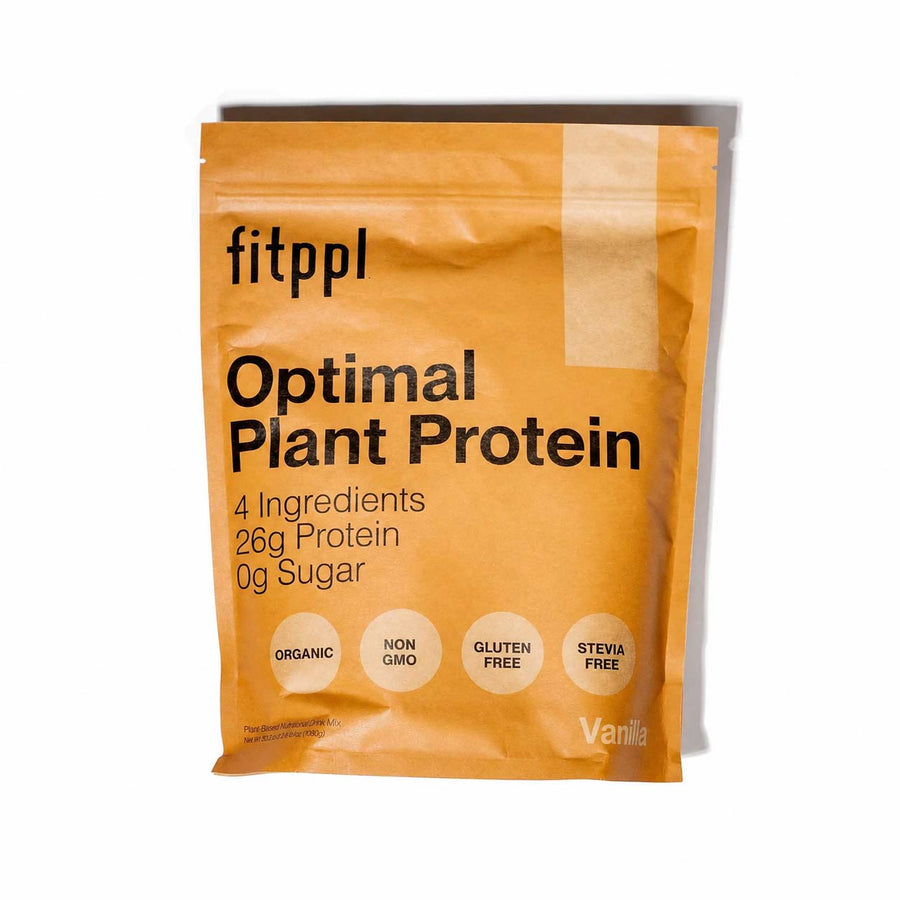
Optimal Plant Protein is organic pea protein, organic brown rice protein, organic vanilla and organic monk fruit. That's the whole list, and we publish our heavy metal results.
4.9 average from 94 reviews

Per serving
Optimal Plant Protein, vanilla.
Our simplest formula
Four organic ingredients, 26g of protein and 0g of sugar per serving.
-
Optimal Plant Protein
Our simplest formula: organic pea and brown rice protein, vanilla and monk fruit.
- Protein
- 26g per serving
- Protein from
- Organic pea and brown rice
- Sweetened with
- Organic monk fruit
- Sugar
- 0g
- Certified
- Organic, Non-GMO, gluten-free
Best for: the most protein from the fewest ingredients.
$69.99$59.49 with subscribe & save
Shop now
What customers say
4.9 average from 94 reviews of Optimal Plant Protein. Quotes from verified buyers.
-
High quality protein
“After a long search I finally found the high quality clean protein that I was looking for. This will be my to go brand for years and I only hope they start stocking their products at the big grocery stores soon.”
David S.Verified buyer · Optimal Plant Protein -
Great
“Very clean and great tasting, which is a rare combo this days!”
Robert L.Verified buyer · Optimal Plant Protein -
Amazing
“Love the clean ingredients and delicious taste. Use it at least once every day!”
Danika L.Verified buyer · Optimal Plant Protein
- 4 ingredients in Optimal Plant Protein, all of them organic
- 5 mcg daily lead limit under USP <2232>, the U.S. Pharmacopeia's heavy metal standard for supplements. Optimal tested at 1.01 mcg.6
- 0 gums, stevia or natural flavors
What does "clean" protein powder mean?
There's no legal or regulatory definition of "clean" on a food label.1 Brands use it to mean whatever they want, so the word on the front of the bag doesn't tell you much.
We think a clean protein powder comes down to things you can actually check: a short ingredient list you understand, no added sugar, a sweetener you're comfortable with, and independent testing with published results.
How to tell if a protein powder is clean
| What to check | Why it matters | Optimal Plant Protein |
|---|---|---|
| Ingredient list | Fewer ingredients means less to look up and less to second-guess. | 4, all organic |
| Added sugar | Sugar adds up fast if you have a shake every day. | 0g sugar |
| Sweetener | Many powders use stevia, sucralose or sugar alcohols like erythritol. | Organic monk fruit only |
| Gums and fillers | Gums, creamers and maltodextrin improve texture but lengthen the list. | None |
| Certifications | USDA Organic covers how ingredients are grown and handled.5 Certified gluten-free matters if you have celiac disease. | USDA Organic, Non-GMO Project Verified, certified gluten-free |
| Testing | Labels don't list heavy metals. Published results tied to a date do. | Light Labs results on the product page2 |
| Banned substances | Matters for athletes who get drug tested. Look for NSF Certified for Sport or Informed Sport. | Not certified |
Optimal's full ingredient list is organic pea protein, organic brown rice protein, organic vanilla and organic monk fruit. Each serving (36g) has 26g of protein, 150 calories and 0g of sugar.2
Heavy metals: what the label doesn't show
In 2025, Consumer Reports tested 23 protein powders and shakes. Plant-based products had the most lead on average.3 Plants take up metals from the soil they grow in, so no plant protein is completely free of them.
That's why we publish our results. Optimal's latest test, by the independent lab Light Labs in September 2026, found per serving:2
- Lead: 1.01 mcg
- Cadmium: 3.35 mcg
- Mercury: 0.25 mcg
- Arsenic: not detected
All four were under USP <2232>. USP <2232> is the U.S. Pharmacopeia's standard for heavy metals in dietary supplements. It sets daily limits of 5 mcg of lead, 5 mcg of cadmium, 15 mcg of inorganic arsenic and 15 mcg of mercury. Following it is voluntary, but it's a common benchmark for testing supplements.6 Our lead result is about 20% of the USP limit, and our cadmium result is about two-thirds of it. We retest about every six months and post the newest results.4
What "clean" can't tell you
- How much protein you get. Check grams per serving, and whether a serving is one scoop or two.
- Whether it's tested. Organic and non-GMO seals cover how ingredients are grown, not heavy metals.
- Whether it fits you. Allergies, taste and budget still matter. Compare a few options in our guide to the best plant-based protein powder.
Questions, answered
What clean means, and how to check a label.
What is the cleanest protein powder?
Is "clean" protein powder regulated?
No. There's no legal or regulatory definition of "clean" on a food label,1 so check the ingredient list, certifications and test results instead of the word on the front.
Does clean mean free of heavy metals?
No. Plants take up metals from soil, so plant proteins contain small amounts. Consumer Reports found plant-based products had the most lead on average in its 2025 testing.3 Look for brands that publish results for a specific batch and date.
Is Optimal Plant Protein third-party tested?
What is Optimal sweetened with?
Organic monk fruit. There's no stevia, sucralose, erythritol or added sugar, and each serving has 0g of sugar.2
Is Optimal certified for athletes who get drug tested?
No. Optimal isn't NSF Certified for Sport or Informed Sport certified. If you're tested for banned substances, check with your organization before using any supplement.
Sources
- Adhikari K. Clean Labeling and the Real Food Movement. University of Georgia Cooperative Extension, reviewed 2023.
- fitppl. Optimal Plant Protein Nutrition Facts and Light Labs heavy metal report (tested September 7, 2026).
- Consumer Reports. Investigation finds two-thirds of protein powders and shakes tested contained high levels of lead in a single serving. October 2025.
- fitppl. Third-party testing.
- USDA Agricultural Marketing Service. USDA Certified Organic: Understanding the Basics.
- USP General Chapter <2232> Elemental Contaminants in Dietary Supplements: daily limits for lead, cadmium, arsenic and mercury, as summarized by BSCG.