


4 organic ingredients
Whole Food Protein Powder
Organic pea protein, organic brown rice protein, organic vanilla and organic monk fruit. That's the whole list: 26g of protein, with no gums, fillers or natural flavors.
4.9 average from 95 reviews

Everything in it
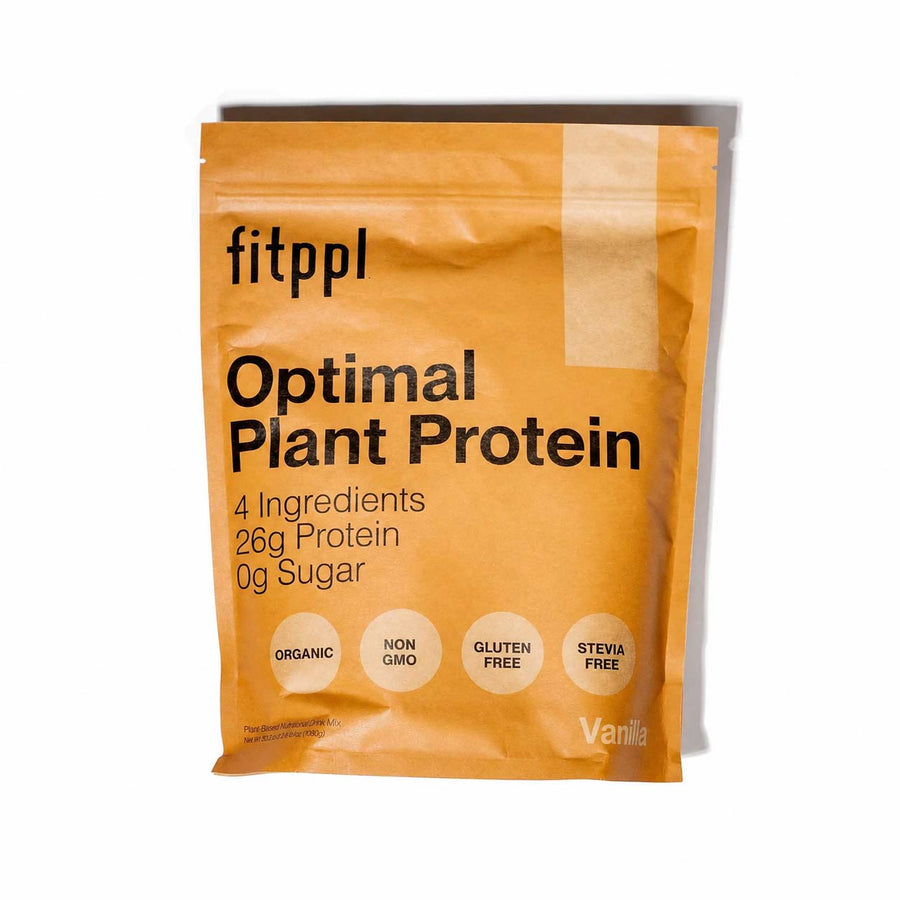
Optimal Plant Protein
From the ingredient list.
Optimal Plant Protein
Four organic ingredients, 26g of protein and 0g of sugar per serving.
-
Optimal Plant Protein
Our simplest formula: organic pea and brown rice protein, vanilla and monk fruit.
- Protein
- 26g per serving
- Protein from
- Organic pea and brown rice
- Sweetened with
- Organic monk fruit
- Sugar
- 0g
- Certified
- Organic, Non-GMO, gluten-free
Best for: the most protein from the fewest ingredients.
$69.99$59.49 with subscribe & save
Shop now
From people who read ingredient lists
4.9 average from 95 reviews of Optimal Plant Protein. Quotes from verified buyers.
-
The best plant protein!
“This protein has the most complete amino acid profile of any other plant protein I have found, all while using minimal and clean ingredients. It tastes great, and mixes easily into liquids!”
Casey R.Verified buyer · Optimal Plant Protein -
THE BEST
“FINALLY! A complete protein powder with simple, clean ingredients, the perfect Aminos and high protein!! It doesn't taste fake nor does it bother my stomach. A win in so many ways! Thank you!”
Marie P.Verified buyer · Optimal Plant Protein -
Best portein
“I have tried a lot of different protein powders and this one is the best! Texture is amazing, flavor delicious, and ingredients are so clean!”
Manda R.Verified buyer · Optimal Plant Protein
What is a whole food protein powder?
A whole food protein powder is one made from food ingredients you'd recognize, without the long list of additives most powders carry: gums, fillers, "natural flavors," artificial sweeteners and added vitamin blends. Read the ingredient list and you should be able to picture where each one came from.
To be straight about it: no protein powder is a whole food. Every protein powder is made by concentrating the protein from a food, like peas, rice, seeds or milk. What a "whole food" powder can do is keep everything else in the scoop close to the food it came from, and keep the list short.
Here's everything in Optimal Plant Protein:1
| Ingredient | What it is | Why it's there |
|---|---|---|
| Organic pea protein | Protein from peas | Most of the protein, rich in lysine |
| Organic brown rice protein | Protein from brown rice | Rounds out the amino acids pea is low in |
| Organic vanilla | Vanilla | Flavor |
| Organic monk fruit | Extract of monk fruit, a small round fruit | A little sweetness, with no sugar |
That's the whole list. Per 36g serving: 26g of protein, 140 calories and 0g of sugar.1
Is protein powder a whole food?
No. Protein powders are made by separating protein from the rest of a food. Some researchers go further: the NOVA system, a widely used way of grouping foods by how processed they are, treats protein isolates as a marker of ultra-processed food.2
That's why food comes first. Beans, lentils, tofu, nuts, seeds, eggs, dairy and fish give you protein along with fiber, fats and other nutrients a powder can't.3 A protein powder is a convenience, for days when food alone doesn't get you there. If you use one, choose the simplest one you can find.
What is the best whole food protein powder?
The one with the shortest list of ingredients you recognize that still gives you enough protein and tastes good enough to use. Look for:
- A named protein source. "Pea protein" and "brown rice protein," not a vague "protein blend" with no amounts.
- A short ingredient list. Ingredients are listed from most to least by weight, so the protein should come first.5
- No added vitamin and mineral blends. If you want a multivitamin, take one. In a whole food powder, nutrients should come from the ingredients.
- No gums or fillers. Xanthan gum, guar gum, maltodextrin and silica change the texture, not the nutrition.
- No "natural flavors." The term can cover many different substances, as long as they come from natural sources.6 If you want to know exactly what you're drinking, skip it.
- A simple sweetener, or none. Watch for sucralose, stevia blends, sugar alcohols and added sugar.
- Organic and tested. USDA Organic covers how the crops are grown.7 Heavy metal testing tells you what's in the finished powder.8
How is pea and rice protein made?
Usually, dried peas are milled into flour, then mixed with water so the protein can be separated from the starch and fiber. The protein is then dried into a powder. Brown rice protein is made in a similar way, by separating the protein from the rice starch. Neither one is a whole pea or a whole grain of rice, but each comes from a single, simple food.
Why blend pea and brown rice protein?
Pea protein is rich in lysine but low in methionine. Brown rice protein is the opposite. Together they give you a fuller set of the nine essential amino acids, which is why so many plant protein powders use both.4 Optimal uses the blend to get 26g of protein per scoop.
What should you avoid in a protein powder?
| Common ingredient | Why it's added | In Optimal? |
|---|---|---|
| Gums (xanthan, guar, acacia) | Thicken the shake | No |
| Natural flavors | Flavor | No. We use organic vanilla. |
| Sucralose, stevia or sugar alcohols | Sweetness | No. We use organic monk fruit. |
| Added vitamin and mineral blends | Longer nutrition label | No |
| Maltodextrin or added sugar | Sweetness and bulk | No |
| Dairy or soy | Protein | No |
What are the best whole food sources of protein?
If you want protein from whole foods, these are good places to start:3
- Beans, lentils and peas, which also bring fiber.
- Tofu, tempeh and edamame.
- Nuts and seeds, like hemp, pumpkin and chia seeds.
- Whole grains like oats and quinoa, which add smaller amounts.
- Eggs, dairy, fish and poultry, if you eat them.
A scoop of Optimal stirred into oatmeal or blended with fruit is an easy way to add 26g of protein to a whole food meal.
Is a whole food protein powder healthier?
It's simpler. Fewer ingredients means fewer things to wonder about, and nothing in the scoop you'd rather avoid. A protein powder is still a supplement, not a replacement for a varied diet, and the FDA doesn't approve supplements before they're sold.9 That's why we publish our heavy metal results from Light Labs, an independent lab.8
Where can you buy fitppl in stores?
fitppl expanded into Whole Foods stores across Texas in 2019. To find a store that carries fitppl near you today, use our store locator, or order online with free U.S. shipping on orders over $95.
Why we make Optimal this way
- Four organic ingredients. Pea protein, brown rice protein, vanilla and monk fruit. Nothing else.
- 26g of protein, 0g of sugar. In 140 calories per 36g serving.1
- No gums, fillers, natural flavors or added vitamins.
- Tested. Heavy metal results published per serving, from Light Labs.8
- Certified. USDA Organic, Non-GMO Project Verified and certified gluten-free.
Sources
- fitppl. Optimal Plant Protein Nutrition Facts and ingredient list.
- Monteiro CA, et al. Ultra-processed foods: what they are and how to identify them. Public Health Nutrition, 2019.
- Harvard T.H. Chan School of Public Health, The Nutrition Source. Protein.
- Gorissen SHM, et al. Protein content and amino acid composition of commercially available plant-based protein isolates. Amino Acids, 2018.
- U.S. Food and Drug Administration. Food Labeling Guide: ingredient lists.
- U.S. Food and Drug Administration. 21 CFR 101.22: Foods; labeling of spices, flavorings, colorings and chemical preservatives.
- U.S. Department of Agriculture, Agricultural Marketing Service. Organic labeling standards.
- Light Labs. Optimal Plant Protein heavy metals report. September 2026.
- U.S. Food and Drug Administration. Questions and answers on dietary supplements.
Questions, answered
Quick answers about what's in Optimal.
What's in Optimal Plant Protein?
Four ingredients: organic pea protein, organic brown rice protein, organic vanilla and organic monk fruit. Nothing else.
Is Optimal a whole food?
No protein powder is. The protein is concentrated from peas and brown rice. What we can do is keep everything else simple: four organic ingredients and no additives.
Does Optimal have added vitamins?
No. Any vitamins and minerals on the label, like its 4.9mg of iron, come from the pea and brown rice protein itself.
Does it have natural flavors or gums?
No. It's flavored with organic vanilla and sweetened with organic monk fruit, with no gums, fillers or natural flavors.
Is it a complete protein?
Yes. Pea and brown rice protein together give you all nine essential amino acids.
Can I find fitppl at Whole Foods?
fitppl expanded into Whole Foods stores across Texas in 2019. Use our store locator to find a store near you today, or order online.