


100 to 140 calories a scoop
Low Calorie Protein Powder
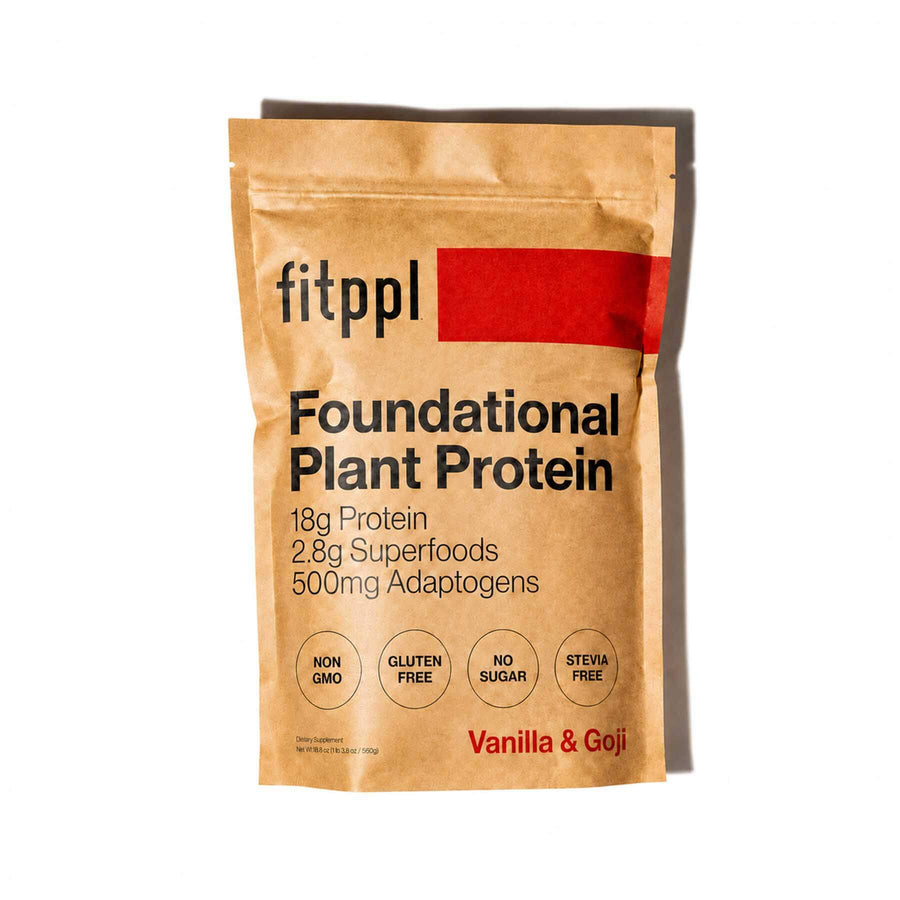
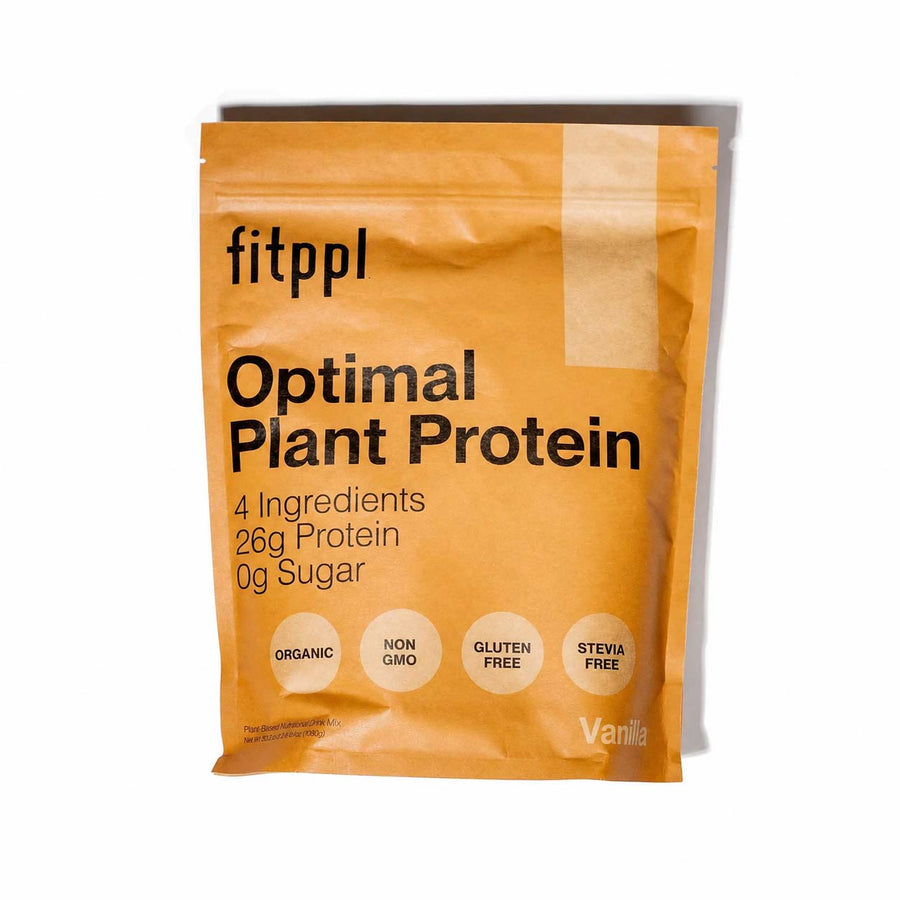
Plant protein where most of the calories come from protein. Foundational has 18g of protein in 100 calories. Optimal has 26g in 140. Both have under 1g of sugar.
4.9 average from 554 reviews

Calories per serving
Protein / calories
From each product's label.
Choose your protein
Foundational is 100 calories with greens, fruit and adaptogens. Optimal is 140 calories with the most protein per scoop.
-
Foundational Plant Protein
Plant protein plus organic greens, fruits and adaptogens in one shake.
- Protein
- 18g per serving
- Protein from
- Organic brown rice, pea and hemp
- Sweetened with
- Monk fruit
- Sugar
- Less than 1g
- Certified
- Non-GMO, gluten-free
Best for: one daily shake that covers more than protein.
$54.99$46.74 with subscribe & save
Shop now -
Optimal Plant Protein
Our simplest formula: organic pea and brown rice protein, vanilla and monk fruit.
- Protein
- 26g per serving
- Protein from
- Organic pea and brown rice
- Sweetened with
- Organic monk fruit
- Sugar
- 0g
- Certified
- Organic, Non-GMO, gluten-free
Best for: the most protein from the fewest ingredients.
$69.99$59.49 with subscribe & save
Shop now
From people who want it light
4.9 average from 554 reviews of our proteins. Quotes from verified buyers.
-
fitppl protein powder
“This is the best protein powder I have every used. Mixes easily with my oatmeal every morning and is quite filling. I like that it has no sugar and has natural ingredients.”
Jeffrey R.Verified buyer · Foundational Plant Protein -
Best Protein
“Love this protein powder, does not feel heavy and it easily mixes well with everything. Also love the clean ingredients!”
Kamalli G.Verified buyer · Optimal Plant Protein -
Fitppl protein powder
“This is the best I've found. Clean, high protein, all plant matter, complete and tasty. I'm glad I found this product!”
Louis H.Verified buyer · Foundational Plant Protein
What is the best low calorie protein powder?
The best low calorie protein powder gives you a lot of protein for the calories, with little sugar and nothing added just to make it taste like dessert. Calories alone don't tell you much. A powder with 80 calories and 10g of protein does less for you than one with 140 calories and 26g.
Here's what to compare on the label:
- Protein per 100 calories. Divide the protein by the calories and multiply by 100. Around 18g or more is a protein-dense powder.
- Serving size. Some brands list a small scoop to make the calories look lower. Compare the same amount of protein.
- Sugar. Added sugar and maltodextrin add calories without adding protein.
- Fat. Added oils and MCT powder make a shake creamier but add calories fast.
- What you'll mix it with. The liquid can add more calories than the powder.
Here's how our two plant proteins compare, straight from the labels:12
| Per serving | Optimal Plant Protein | Foundational Plant Protein |
|---|---|---|
| Serving size | 36g | 28g |
| Calories | 140 | 100 |
| Protein | 26g | 18g |
| Protein per 100 calories | About 18.6g | 18g |
| Share of calories from protein | About 74% | About 72% |
| Sugar | 0g | Less than 1g (0g added) |
| Fat | 2g | 1g to 1.5g |
| Fiber | Less than 1g | 2g |
Foundational is the lower calorie choice at 100 calories. Optimal has the most protein per scoop. Both get almost three-quarters of their calories from protein.
What protein powder has the lowest calories?
Of ours, Foundational Plant Protein, at 100 calories per serving. Across the market, the lowest calorie powders usually have small serving sizes or less protein per scoop, so check the protein too. If you want the lowest calories for the most protein, compare protein per 100 calories rather than calories alone.
How many calories are in a scoop of protein powder?
A simple protein powder usually has about 100 to 150 calories per serving. Powders with added sugar, oils or oats run higher, and mass gainers can have several hundred calories per serving because they're built to add calories. Our two proteins are 100 and 140 calories.12
Is low calorie protein powder good for weight loss?
It can help, as part of eating fewer calories overall. Protein keeps you full longer than the same calories from carbs or fat.3 And when people cut calories, eating more protein helps them hold on to more lean muscle and lose a little more fat, based on a review of 24 trials.4
A protein powder won't cause weight loss on its own. It's an easy way to get 18g to 26g of protein for 100 to 140 calories, so the rest of your day has room for everything else. For more, see our page on the best protein powder for weight loss.
What should you mix protein powder with to keep calories low?
The liquid matters as much as the powder. Approximate calories per cup:5
| Mix with | About how many calories |
|---|---|
| Water | 0 |
| Unsweetened almond milk | 30 to 40 |
| Skim milk | About 85 |
| 2% milk | About 120 |
| Oat milk | About 120, depending on the brand |
| Whole milk | About 150 |
Add-ins count too. A medium banana is about 105 calories and two tablespoons of peanut butter is about 190.5 For a light shake, use water or unsweetened almond milk, ice, and a handful of berries if you want fruit.
Will a low calorie protein shake keep you full?
Protein is the most filling of the three macronutrients, so a protein-dense shake does better than its calories suggest.3 Fiber and volume help too. Foundational has 2g of fiber per serving.2 Blending with ice and a little fruit makes a bigger, thicker shake for very few extra calories.
Can a low calorie protein shake replace a meal?
Not on its own. At 100 to 140 calories, a shake is a snack, not a meal. If you're using it as breakfast, blend it with fruit, oats or nut butter, or have it alongside food, so you get enough calories, fiber and nutrients to last until lunch.
How much protein do you need a day?
The minimum for adults is 0.8g of protein per kilogram of body weight a day, about 0.36g per pound.6 Many people trying to lose weight or build strength aim higher. One serving of Optimal covers about half of the minimum for a 150 lb adult. See how much protein powder per day for a breakdown by weight.
Why we make our proteins this way
- Protein first. About three-quarters of the calories in both proteins come from protein.
- No added sugar. Both are sweetened only with organic monk fruit, with no stevia, erythritol or sucralose.
- No added oils or fillers. Optimal has four ingredients. Foundational adds organic greens, fruit and adaptogens, with the amount of each blend on the label.
- Certified. Non-GMO Project Verified and certified gluten-free. Optimal is also USDA Organic.
Sources
- fitppl. Optimal Plant Protein Nutrition Facts.
- fitppl. Foundational Plant Protein Supplement Facts, Vanilla & Goji and Cocoa & Blueberry.
- Leidy HJ, et al. The role of protein in weight loss and maintenance. American Journal of Clinical Nutrition, 2015.
- Wycherley TP, et al. Effects of energy-restricted high-protein, low-fat compared with standard-protein, low-fat diets: a meta-analysis of randomized controlled trials. American Journal of Clinical Nutrition, 2012.
- U.S. Department of Agriculture, Agricultural Research Service. FoodData Central.
- Institute of Medicine. Dietary Reference Intakes for Energy, Carbohydrate, Fiber, Fat, Fatty Acids, Cholesterol, Protein, and Amino Acids. National Academies Press, 2005.
Questions, answered
Quick answers about calories in our proteins.
Which fitppl protein has the fewest calories?
Foundational Plant Protein, with 100 calories and 18g of protein per 28g serving. Optimal Plant Protein has 140 calories and 26g of protein per 36g serving.
How much sugar is in them?
Optimal has 0g of sugar. Foundational has less than 1g, with 0g added. Both are sweetened only with monk fruit.
Do they have added oils or fillers?
No. Optimal is four ingredients: organic pea protein, organic brown rice protein, organic vanilla and organic monk fruit. Foundational adds organic greens, fruit and adaptogens, with no gums, oils or fillers.
What's the lowest calorie way to mix them?
Water or unsweetened almond milk with ice. Milk, oat milk, banana and nut butter all add calories.
Is 100 calories enough for a meal?
No. A shake is a snack on its own. For a meal, blend it with fruit, oats or nut butter, or have it with food.
Are they dairy-free?
Yes. Both are made from plant protein, with no dairy or soy, and both are certified gluten-free.