Is Protein Powder Bad for You? What the Research Says
What the research says about protein powder and your kidneys, heavy metals, sweeteners and side effects, and who should check with a doctor first.

Protein powder is just protein, usually from milk, peas, rice or soy, dried into a powder. For most healthy adults it's a convenient way to get more protein, not something to be afraid of. But "protein powder" covers a huge range of products, and a few real concerns are worth knowing about: what the research says about your kidneys, heavy metals, sweeteners and how supplements are regulated.
We make plant protein powder, so we have a stake in this question. We've stuck to what the research and independent testing show, with sources at the end, including the parts that apply to our own products.
The short answer
- For most healthy adults, protein powder isn't bad for you. A review of 28 studies found higher-protein diets didn't harm kidney function in healthy adults.1
- The bigger concerns are what else is in the tub: heavy metals, especially in plant proteins,2 and sweeteners or additives you may want to avoid.
- Supplements aren't approved before they're sold, so the quality is up to the brand.3 Published test results and third-party certifications help.
- Some people should check with a doctor first, including anyone with kidney disease, people who are pregnant, and kids.
Is protein powder bad for your kidneys?
Not for healthy kidneys, according to the best evidence we have. A 2018 review of 28 studies with more than 1,300 people compared higher-protein diets (for example, at least 1.5g per kilogram of body weight a day, or 100g or more a day) with lower or normal intakes and found no harm to kidney function in healthy adults.1
The picture is different if you already have chronic kidney disease. That review didn't include people with diagnosed kidney disease,1 and the National Institutes of Health says people with kidney disease may need to adjust how much protein they eat.4 If that's you, talk to your doctor or a dietitian before adding protein powder.
Can you have too much protein?
The Institute of Medicine didn't set an upper limit for protein. It suggests getting 10% to 35% of your calories from protein, a wide range that leaves room for a shake or two a day.5 For most people, one or two servings of protein powder alongside regular meals is plenty. If a shake replaces food you'd otherwise eat, it's simply part of your daily protein. If it's on top of everything else, it adds calories too.
Heavy metals in protein powder
This is the concern with the most evidence behind it. In 2025, Consumer Reports tested 23 protein powders and shakes and found plant-based products had about nine times the lead of dairy-based ones on average.6 Plants absorb lead and other metals from the soil, water and air they grow in.2 There are no federal limits for heavy metals in protein powder.6
Many brands compare their results with USP <2232>. USP <2232> is the U.S. Pharmacopeia's standard for heavy metals in dietary supplements. It sets daily limits of 5 mcg of lead, 5 mcg of cadmium, 15 mcg of inorganic arsenic and 15 mcg of mercury. Following it is voluntary, but it's a common benchmark for testing supplements.7
Our own Optimal Plant Protein tested at 1.01 mcg of lead and 3.35 mcg of cadmium per 36g serving in September 2026, under those limits but not zero.8 For results from other brands and how to read a test report, see our guide to lead in protein powder.
Supplements aren't approved before they're sold
Protein powders are sold as dietary supplements, and the FDA doesn't have the authority to approve dietary supplements before they're marketed. The manufacturer is responsible for making sure its product is safe.3 That's why it's worth looking for:
- Published test results for heavy metals, tied to a batch and a date.
- Third-party certifications that fit your needs. NSF Certified for Sport tests for substances banned in sports, and USDA Organic covers how ingredients are grown.
- A clear ingredient list without vague "proprietary blends."
Sweeteners and additives
Most protein powders are sweetened, and the sweetener is worth a close look.
- Erythritol. Like other sugar alcohols, large amounts can cause gas, bloating or diarrhea in some people.9 A 2023 study also found that people with higher blood levels of erythritol were more likely to have a heart attack or stroke, or to die, over the next three years. The authors note that this kind of study can only show an association, not cause and effect, and called for more research on long-term safety.10 Read more in our guide to erythritol-free protein powder.
- Stevia. High-purity stevia extracts are generally recognized as safe in the U.S.,11 but some people dislike the aftertaste or prefer to avoid it. See is stevia in protein powder bad?
- Added sugar. Some powders, especially mass gainers, add a lot. Check the "added sugars" line on the label.
- Gums and fillers. Gums like xanthan and guar improve texture. They're widely used in foods, but they make the ingredient list longer.
Digestive side effects
When protein powder upsets someone's stomach, the cause is often an ingredient other than the protein itself. Dairy-based powders can contain lactose, sugar alcohols can cause gas and bloating in larger amounts,9 and some people are sensitive to gums or added fiber. If a powder bothers you, compare its ingredient list with one that doesn't, and try a smaller serving.
Some people also ask whether whey protein causes acne. We cover the research in can whey protein cause acne?
Who should check with a doctor first
- People with kidney disease, who may need to manage how much protein they eat.4
- People who are pregnant or breastfeeding. Consumer Reports says pregnant people are among the most vulnerable to lead and should be especially cautious with protein supplements.2
- Kids. Consumer Reports also urges caution for children, and notes that most people don't need protein supplements.2
- People with food allergies. Milk and soy are among the nine major food allergens, and many protein powders contain one or both.12
How to choose a protein powder you can feel good about
- Look for published heavy metal results from an independent lab.
- Choose a short ingredient list you understand.
- Pick a sweetener you're comfortable with, and little or no added sugar.
- Check for certifications that matter to you.
- Stick to one or two servings a day and get the rest of your protein from food.
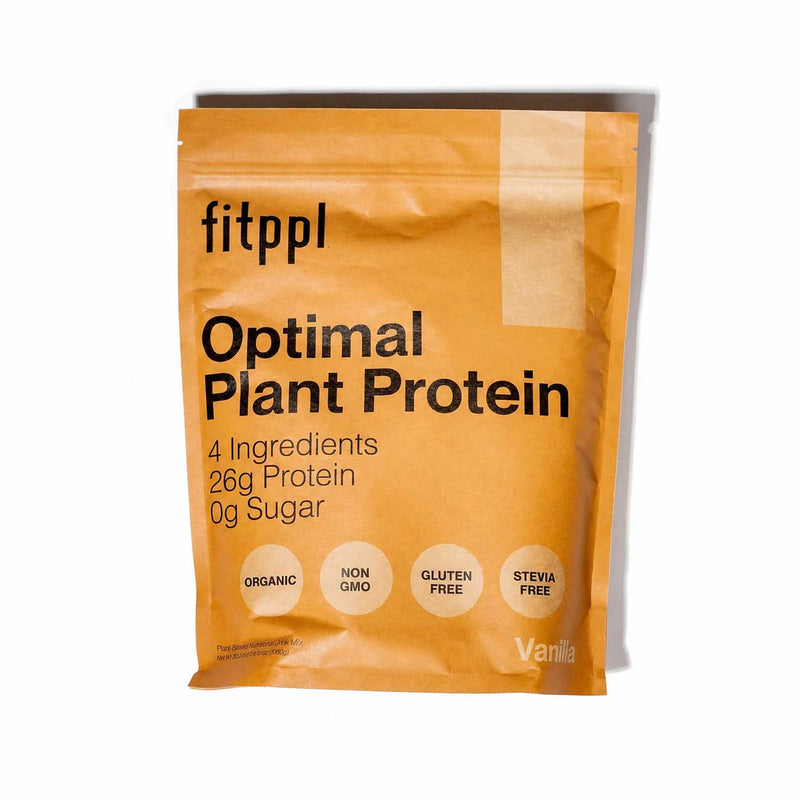
Our Optimal Plant Protein has four organic ingredients: pea protein, brown rice protein, vanilla and monk fruit, with no gums, stevia or erythritol, and we publish its heavy metal results.8 For a side-by-side look at other brands, see our guide to the best plant-based protein powders.
The bottom line
Protein powder isn't bad for you in itself. For healthy adults, the research doesn't support worries about protein and kidneys. What matters more is the product: how it's been tested, what it's sweetened with and what else is in it. Read the label, look for published test results, and talk to your doctor if you have kidney disease, are pregnant or are buying for a child.
Sources 12
Numbers in the article link to these sources.
- Devries MC, et al. Changes in kidney function do not differ between healthy adults consuming higher- compared with lower- or normal-protein diets: a systematic review and meta-analysis. Journal of Nutrition, 2018, as summarized by McMaster University.
- Consumer Reports. Protein powders and shakes contain high levels of lead. October 2025, updated January 2026.
- U.S. Food and Drug Administration. Questions and answers on dietary supplements. Updated August 2026.
- National Institute of Diabetes and Digestive and Kidney Diseases. Eating right for chronic kidney disease. Reviewed January 2025.
- Institute of Medicine. Dietary Reference Intakes for Energy, Carbohydrate, Fiber, Fat, Fatty Acids, Cholesterol, Protein, and Amino Acids. National Academies Press, 2005.
- Consumer Reports. Investigation finds two-thirds of protein powders and shakes tested contained high levels of lead in a single serving. October 2025.
- USP General Chapter <2232> Elemental Contaminants in Dietary Supplements: daily limits for lead, cadmium, arsenic and mercury, as summarized by BSCG.
- fitppl. Optimal Plant Protein Nutrition Facts and Light Labs heavy metal report (tested September 7, 2026).
- International Food Information Council. What is erythritol? March 2023.
- Witkowski M, et al. The artificial sweetener erythritol and cardiovascular event risk. Nature Medicine, 2023.
- U.S. Food and Drug Administration. High-Intensity Sweeteners.
- U.S. Food and Drug Administration. Food Allergies. Updated March 2026.