Protein Powder on GLP-1 Medications: What to Look For
Does taking a GLP-1 medication make it hard to get enough protein from your diet? Protein powder can help. You don't automatically need it, though. It's always good to start with what...

Does taking a GLP-1 medication make it hard to get enough protein from your diet? Protein powder can help. You don't automatically need it, though. It's always good to start with what you can eat, the protein your diet already provides, and any nutrition advice from your clinician or dietitian.1
From there, picking a protein powder like fitppl Organic Plant Protein Powder becomes the next step. Look at the protein in the portion you'll actually drink, check the ingredients, and consider how it fits your diet.
Why Getting Enough Protein Can Become Harder
A smaller appetite means you feel full, or satiated, faster even when you don't eat as much. Semaglutide, the active component in Wegovy, reduces calorie intake through its effects on appetite and also delays gastric emptying. Some of the more commonly reported side effects are nausea, vomiting and constipation.2
So if you eat less, you may also eat less protein, along with fewer other nutrients. That doesn't mean everyone develops a deficiency. It means your meals need a closer look, especially if you regularly leave most of them unfinished.
A 2025 joint nutrition advisory from four professional organizations discusses reduced appetite and food aversions as barriers to adequate protein intake. This is where food choices and, for some people, supplements become part of the bigger conversation.1
Where a Protein Shake Fits
Before you take a protein supplement, it's best to first look at foods you can manage and enjoy, whether that's eggs, yogurt, tofu, beans or fish. Lower-volume, nutrient-dense protein foods are ideal. The advisory also notes that some people can supplement their intake with high-protein shakes or other fortified products. So when should you use protein shakes? When whole food options come up short.1
Before buying a bag, it's worth getting clear on the gap you want to fill. If you're short on protein, a powder may be practical. If you can barely eat anything, it's better to first get professional advice about your regular diet, because adding protein alone doesn't address every nutritional need.
What We'd Check on the Label
Here's what we'd look at when choosing a protein powder.
Protein per serving, and what a serving means
The protein number on the front of the bag only helps if you know how much powder it refers to. Check the serving weight and scoop instructions together. Two products can look similar until you realize one needs a much larger serving to provide the advertised amount.
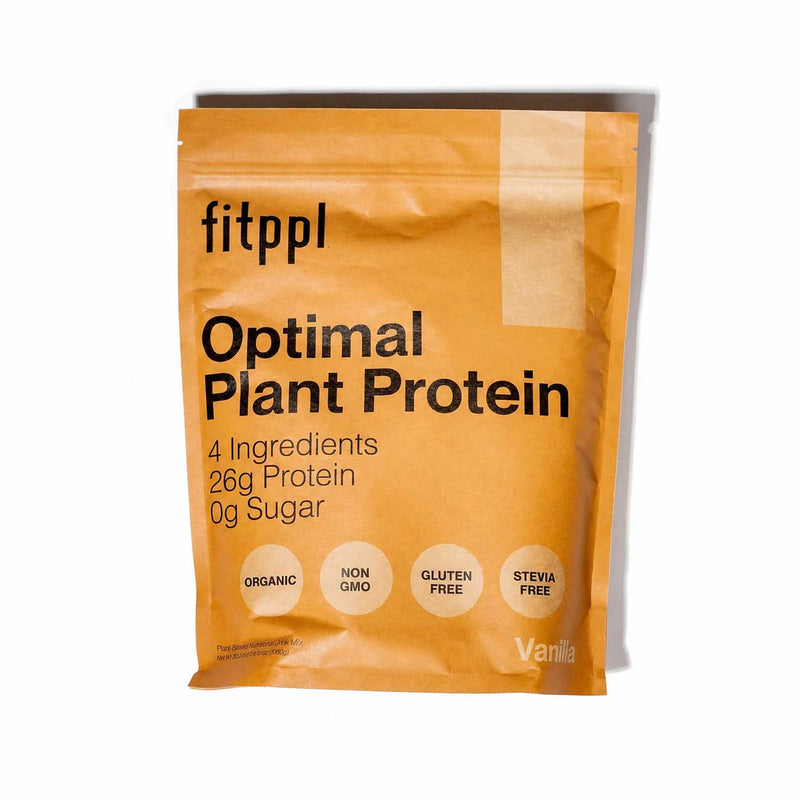
Our Optimal Plant Protein provides 26g of protein in an approximately 36g serving, listed as one level scoop. If you use less powder, you'll get less protein. Milk, yogurt or anything else you add changes the nutrition of the finished shake, so keep those ingredients in mind, too.3
A protein source that fits your diet
Check where the protein actually comes from. Common sources are whey, casein, soy, pea and brown rice. Your dietary preferences and allergies can narrow the options before you get into flavor or price. Whey comes from milk, so it won't fit a vegan diet, although some vegetarians use it.
Our guide Is Whey Protein Vegetarian? explains that distinction. A plant-based powder gives you another choice if you prefer to avoid dairy ingredients. One quick tip: just because a product says "plant-based" doesn't mean it suits your specific diet or eating preferences.
Ingredients and sweeteners you want to use
A short ingredient list makes it easier to see what's in a powder. Still, we'd be careful about treating fewer ingredients as proof that a shake will sit better in your stomach. Your response depends on you, not on claims or customer reviews.
The same applies to sweeteners. A powder without stevia or erythritol may sound like the best choice, but their absence doesn't mean it treats the side effects of GLP-1 medications. Our articles on stevia in protein powder and erythritol-free protein powder go into more detail about these ingredients.
How you'll prepare it
Check the product's mixing directions and think about the drink you actually want to make. A powder mixed with water and a large smoothie with fruit, milk and nut butter aren't the same. Both the volume and the nutrition change as you add ingredients.
Medication instructions matter here, too. Oral and injectable formulations can have different requirements. Wegovy, for example, has specific directions about water and how soon you can follow a dose with food, drinks or other oral medicines. Follow your prescription instructions and ask your pharmacist if the timing is unclear.2
Whether you need protein or broader meal nutrition
A protein powder can contribute protein without providing everything you'd expect from a meal. It's a good idea to look beyond the protein number if you plan to use a shake instead of food. Check its intended use and the rest of the nutrition label.
For context, one serving of Optimal Plant Protein has 150 calories, 26g protein, 2.5g fat, 5g carbohydrate and 1g fiber. That's what the powder adds to your diet before you mix it with anything. It shouldn't be seen as a complete meal.3
Plant Protein vs. Whey on GLP-1 Medications
Research isn't conclusive on whether plant protein or whey is better for people on GLP-1 medications. Studies about protein and the body's own GLP-1 response don't, by themselves, answer that question.
To find something that works for you, compare products on protein amount, ingredients, dietary fit, taste and personal tolerance. Our pea-and-rice formula is an option if you prefer plant protein.
Protein and Resistance Training Work Together
Weight loss can include both fat and lean mass. Research suggests higher protein intake alone is likely insufficient to preserve muscle without structured resistance training. No matter how premium or expensive a protein powder is, you shouldn't rely on it alone to preserve muscle mass. Ask your doctor about the type of exercise that suits your health and physical abilities.1
When Medical Professionals Need to Be Involved
Kidney guidelines can differ from the advice you see in general weight-loss articles. If you have kidney disease or a prescribed protein restriction, get professional advice before increasing your intake.4
Persistent vomiting or trouble keeping fluids down also needs attention from your GLP-1 prescriber. Wegovy's prescribing information warns about acute kidney injury related to volume depletion, including from GI symptoms. A different flavor or formula won't solve any of that.2
What Our Optimal Plant Protein Offers
Our vanilla formula has four ingredients:
- organic pea protein
- organic brown rice protein
- organic vanilla
- organic monk fruit
Each approximately 36g serving provides 26g protein, with 0g total sugar and 0g added sugar. It contains no soy, stevia, gums, erythritol or emulsifiers.3
If you prefer a plant-based powder with four ingredients, review our Optimal Plant Protein label to see how its 26g protein serving fits your nutrition plan.
Sources 4
Numbers in the article link to these sources.
- Mozaffarian D, et al. Nutritional priorities to support GLP-1 therapy for obesity: a joint advisory. 2025 (see April 2026 corrigendum).
- Novo Nordisk. Wegovy (semaglutide) prescribing information. Revised June 2026.
- fitppl. Optimal Plant Protein product page and vanilla Nutrition Facts, reviewed October 14, 2026.
- KDIGO 2024 Clinical Practice Guideline for the Evaluation and Management of Chronic Kidney Disease.