What Protein Supplement is Best
Plant-based eating keeps growing for health, environmental and ethical reasons, and so does the number of protein supplements on the shelf. If you're trying to figure out which protein supplement is best...

Plant-based eating keeps growing for health, environmental and ethical reasons, and so does the number of protein supplements on the shelf. If you're trying to figure out which protein supplement is best for you, this guide walks through the main options and what the research says about each.
One thing to know up front: plant proteins differ a lot in their amino acid makeup. Many are lower in the essential amino acids leucine, lysine or methionine than animal proteins, but combining different plant proteins can close that gap.1
1. Pea protein
Extracted from yellow peas, pea protein is one of the most popular plant proteins. It contains all nine essential amino acids, though it's on the lower side for methionine.1 It also holds up in the gym: in a 12-week trial, people who took pea protein alongside resistance training gained muscle thickness on par with those taking whey.2
Pea is free of the most common allergens like dairy and soy, which makes it a good fit for many people with sensitivities. It's not allergen-proof, though. Pea allergies do exist, especially in people allergic to other legumes like peanuts.
2. Brown rice protein
Brown rice protein is another popular choice, especially for people avoiding dairy and soy. It's lower in lysine, so on its own it isn't the most balanced protein. Paired with pea protein, though, the two cover each other's gaps nicely, which is why you'll see pea and rice blended together so often.1 It has a fairly neutral taste that works in smoothies and baking.
3. Hemp protein
Hemp protein comes from hemp seeds. It's lower in protein per scoop than pea or rice protein, and lysine is its limiting amino acid,3 but it brings extra fiber and healthy fats, including omega-3 and omega-6. It has a nutty flavor and a slightly gritty texture, so it's great in smoothies and baked goods.
4. Soy protein
Soy is one of the most researched plant proteins. It's a complete protein, and studies comparing soy to animal protein found no difference in gains in muscle mass or strength from resistance training.4
What about hormones? An updated review of clinical studies found that neither soy protein nor soy isoflavones affected male reproductive hormones.5 The bigger consideration is allergy: soy is a common allergen. If you choose soy, look for non-GMO and organic options.
5. Plant protein blends
Blends combine two or more plant proteins, like pea and brown rice, to get a more balanced amino acid profile than any single source on its own.1 For a lot of people, that makes a blend the most well-rounded plant option.
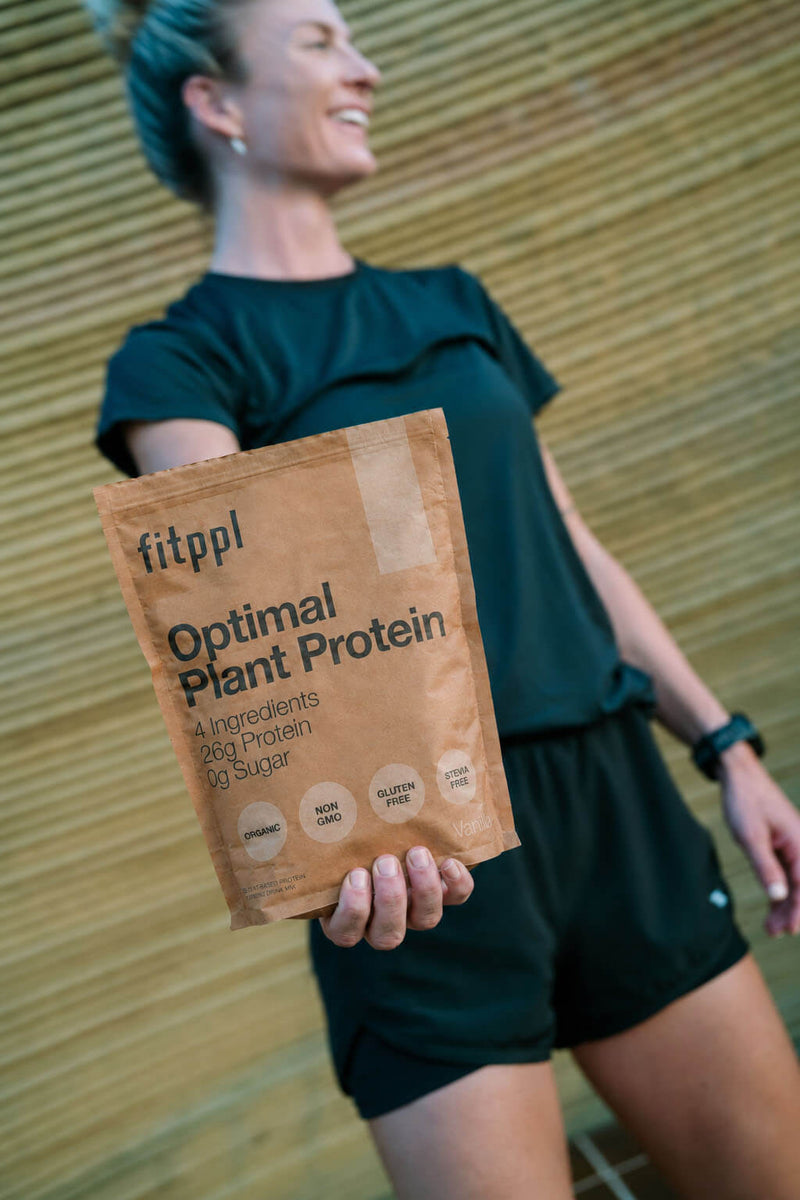
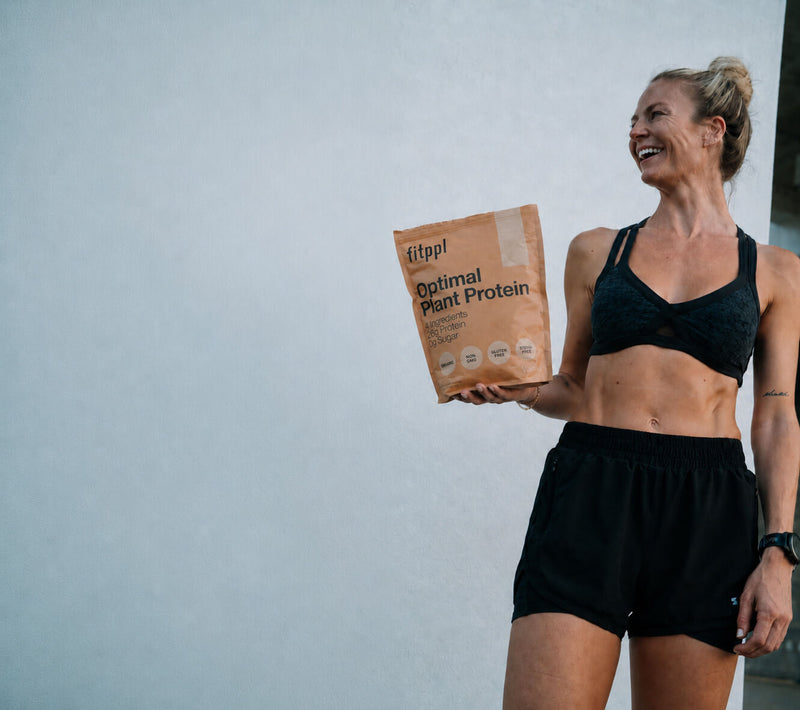
Our Optimal Plant Protein is one example: 26 grams of organic pea and brown rice protein, 0 grams of sugar and just 4 ingredients, with no dairy, soy, stevia or seed oils.
What about whey and casein?
If you eat dairy and digest it well, whey and casein are well studied and effective. They're not an option if you're vegan, dairy-free or lactose intolerant, which is where plant proteins come in. With enough protein per serving, the research suggests both can support your goals.24
How to choose the best protein supplement for you
- Protein per scoop. Around 20 grams or more per serving makes it worth your while.
- Amino acid profile. Soy or a blend like pea and rice gives you a more complete profile than a single lower-lysine or lower-methionine source.
- Ingredients. A short list you recognize, with little or no added sugar.
- Testing. Heavy metals have been found in some protein powders. A 2020 risk assessment concluded typical intake was unlikely to cause harm,6 but brands that test their products give you extra peace of mind. Our comparison of five popular plant-based protein powders lists the latest heavy metal results we could find for each.
- Taste and texture. The best protein is the one you'll actually drink.
Your ideal protein supplement depends on your needs, preferences and any dietary restrictions. If you have a medical condition, such as kidney disease, talk to your doctor or a registered dietitian before adding a protein supplement.
Sources 7
Numbers in the article link to these sources.
- Gorissen SHM, et al. Protein content and amino acid composition of commercially available plant-based protein isolates. Amino Acids, 2018.
- Babault N, et al. Pea proteins oral supplementation promotes muscle thickness gains during resistance training: a double-blind, randomized, placebo-controlled clinical trial vs. whey protein. JISSN, 2015.
- House JD, Neufeld J, Leson G. Evaluating the quality of protein from hemp seed products through the use of the protein digestibility-corrected amino acid score method. J Agric Food Chem, 2010.
- Messina M, et al. No difference between the effects of supplementing with soy protein versus animal protein on gains in muscle mass and strength in response to resistance exercise. IJSNEM, 2018.
- Reed KE, et al. Neither soy nor isoflavone intake affects male reproductive hormones: an expanded and updated meta-analysis of clinical studies. Reproductive Toxicology, 2021.
- Bandara SB, Towle KM, Monnot AD. A human health risk assessment of heavy metal ingestion among consumers of protein powder supplements. Toxicology Reports, 2020.
- NIH Office of Dietary Supplements. Vitamin B6: fact sheet for health professionals.