

100% plant-based
Vegan Protein Powder
Plant protein from organic pea, brown rice and hemp, with no whey, dairy or eggs. Choose 26g of organic protein in Optimal, or 18g plus superfoods and adaptogens in Foundational.
4.9 average from 554 reviews

Free from
Protein from organic pea, brown rice and hemp.
Choose your protein
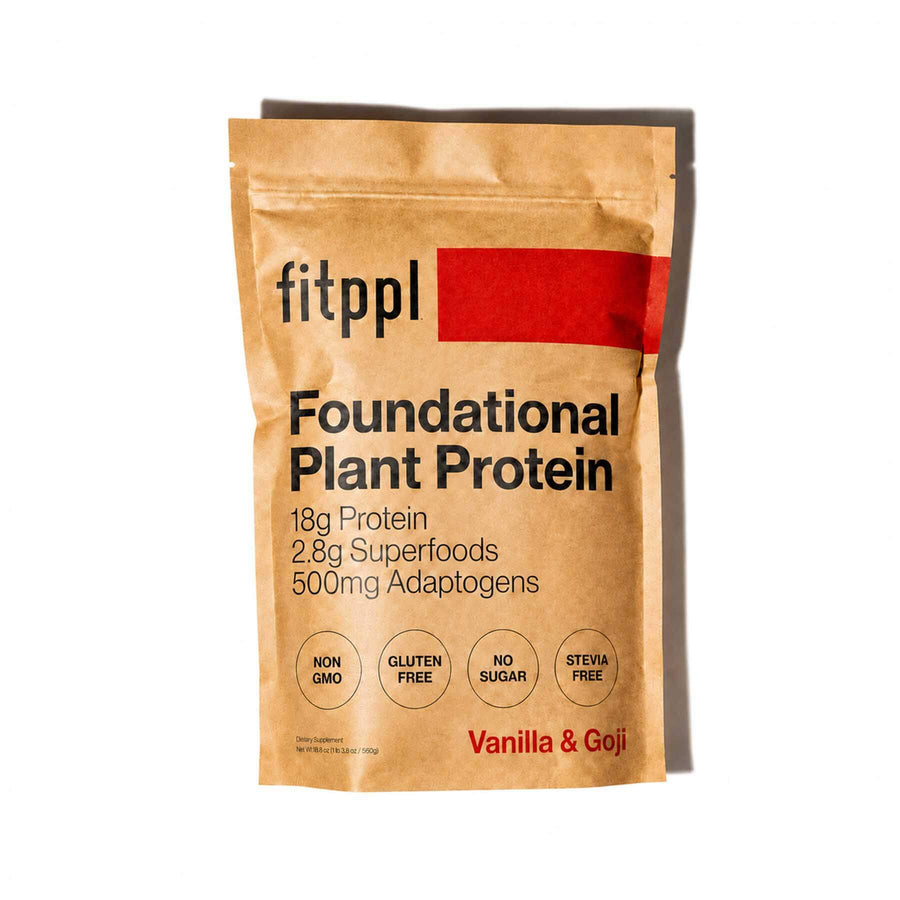
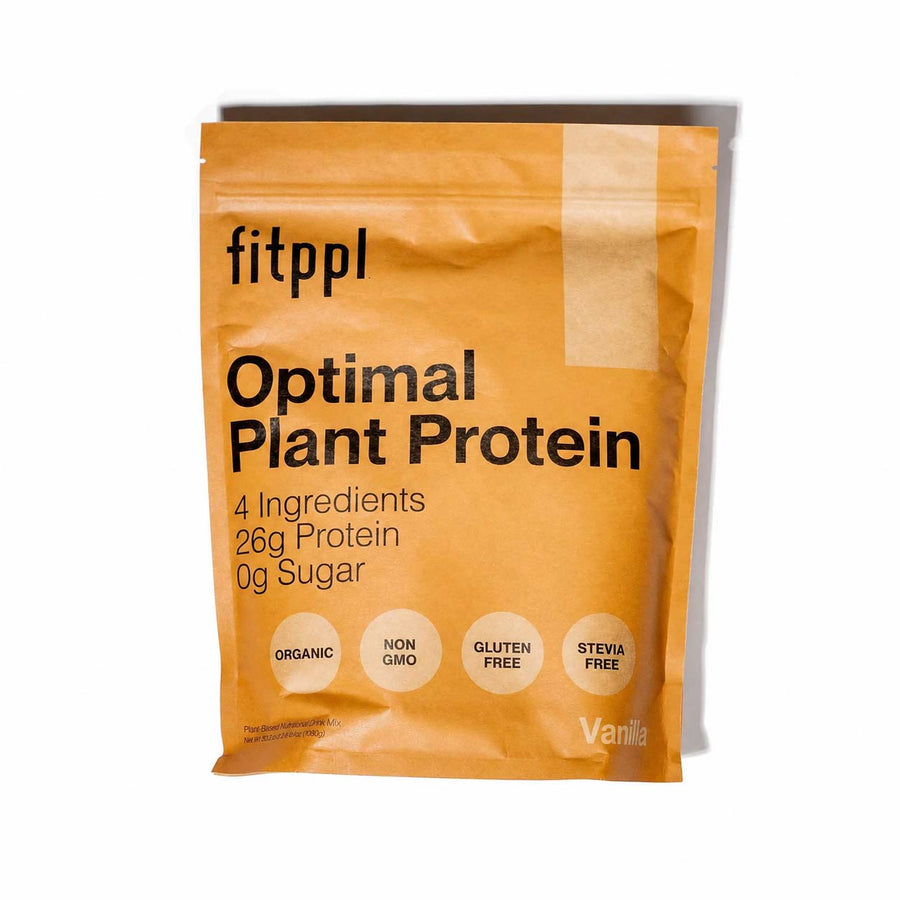
Optimal is 26g of organic protein from four ingredients. Foundational is 18g of protein plus organic greens, fruits and adaptogens.
-
Foundational Plant Protein
Plant protein plus organic greens, fruits and adaptogens in one shake.
- Protein
- 18g per serving
- Protein from
- Organic brown rice, pea and hemp
- Sweetened with
- Monk fruit
- Sugar
- Less than 1g
- Certified
- Non-GMO, gluten-free
Best for: one daily shake that covers more than protein.
$54.99$46.74 with subscribe & save
Shop now -
Optimal Plant Protein
Our simplest formula: organic pea and brown rice protein, vanilla and monk fruit.
- Protein
- 26g per serving
- Protein from
- Organic pea and brown rice
- Sweetened with
- Organic monk fruit
- Sugar
- 0g
- Certified
- Organic, Non-GMO, gluten-free
Best for: the most protein from the fewest ingredients.
$69.99$59.49 with subscribe & save
Shop now
From people who tried a lot of plant proteins
4.9 average from 554 reviews of our proteins. Quotes from verified buyers.
-
So smooth
“This protein shake is delicious and dissolves well in unsweetened almond milk. I've tried other vegan protein powders and this one excels by far in taste and texture. Love your product.”
Elizabeth B.Verified buyer · Optimal Plant Protein -
Delicious
“I was skeptical that I would like the taste - plant base = chalky = yuck, but my health coach encouraged me to give it a try. I love the taste! It’s not chalky as long as you mix it well and it gives me a burst of energy. Love this stuff!”
Amy C.Verified buyer · Optimal Plant Protein -
Really great protein
“I didn't have high hopes, because so many plant proteins out there taste horrible. I read the ingredients of this protein and felt like I needed to try, and it's actually delicious! I've made smoothies with fruit and can barely even taste the protein. No chalkiness, no aftertaste. Will definitely be ordering more!”
Natalie M.Verified buyer · Foundational Plant Protein
- 26g Protein per serving of Optimal Plant Protein
- 0 animal ingredients in either of our proteins
- 1.4–2.0g protein per kilogram a day recommended for people who train hard6
What is the best vegan protein powder?
The best vegan protein powder gives you 20g or more of protein per serving from a blend of plant proteins, keeps the sweetener simple, lists every ingredient and publishes its heavy metal results. After that, it comes down to taste and how you'll use it.
- A blend of plant proteins. Pea and brown rice together give a fuller set of essential amino acids than either one alone.2
- Enough protein per scoop. Most people aim for 20g to 30g, so check whether a serving is one scoop or two.
- A simple sweetener. Many vegan powders use stevia, sucralose or sugar alcohols. Ours use only monk fruit.
- Published testing. Plant proteins pick up metals from soil, so look for per-serving results you can read.8
Here's how our two vegan proteins compare, straight from the labels:110
| Per serving | Optimal Plant Protein | Foundational Plant Protein |
|---|---|---|
| Protein | 26g | 18g |
| Calories | 140 | 100 |
| Sugar | 0g | Less than 1g |
| Protein from | Organic pea and brown rice | Organic pea, brown rice and hemp |
| Also in it | Organic vanilla and monk fruit | Organic greens, fruit and adaptogens, sweetened with monk fruit |
| Flavors | Vanilla | Vanilla & Goji, Cocoa & Blueberry |
| Best for | The most protein per scoop | Protein plus greens and superfoods in one shake |
Optimal's heavy metal results are published below and on its product page.
What is the best tasting vegan protein powder?
Taste is personal, but a few things make a vegan protein easier to like. Blends of pea and rice tend to be smoother than a single plant protein. A powder with no stevia avoids the bitter aftertaste some people notice. And reading recent reviews tells you more than the flavor name on the bag.
If you're new to plant protein, start with it blended into a smoothie or oatmeal, then try it with just water or milk once you know you like it. Our guide to the best tasting protein powder has more tips.
What makes a protein powder vegan?
A vegan protein powder has no animal ingredients at all. That rules out whey and casein (both from milk), egg white, collagen and bone broth. Vitamins, flavors and other added ingredients can sometimes come from animal sources too, so if it matters to you, look for a certified vegan seal or ask the brand.
Both fitppl proteins are made only from plants. Optimal Plant Protein is certified vegan.1
Common vegan protein sources
| Protein | What to know |
|---|---|
| Pea | Rich in lysine, an essential amino acid many plant proteins are short on, but low in methionine.2 See our guide to pea protein powder. |
| Brown rice | The opposite of pea: plenty of methionine, low in lysine. That's why rice and pea are so often blended.2 See our guide to brown rice protein powder. |
| Hemp | Had the least leucine, the amino acid most tied to building muscle, of the plant proteins analyzed.2 |
| Soy | One of the nine major food allergens, so many people look for soy-free protein powder. Ours are soy-free.3 |
Is vegan protein powder as good as whey?
For most people, yes, if you get enough of it. Individual plant proteins tend to be lower than whey in one or more essential amino acids, but blending plant proteins, like pea with brown rice, gives a profile much closer to animal protein.2
In an 8-week study of 24 resistance-trained adults, 48g of rice protein after workouts led to similar gains in lean mass and strength as the same amount of whey.4 It was a small study, but it suggests the protein source matters less than getting enough.
How much protein do you need?
The recommended amount for adults is 0.8g of protein per kilogram of body weight a day, or about 0.36g per pound.5 If you strength train or are very active, the International Society of Sports Nutrition suggests 1.4 to 2.0g per kilogram.6 You don't need to combine plant proteins at every meal; eating a variety over the day covers your amino acids.7
Heavy metals in plant protein
Plants take up metals from soil, and in Consumer Reports' 2025 testing, plant-based protein powders had the most lead on average.8 We compare our results with USP <2232>, the U.S. Pharmacopeia's standard for heavy metals in dietary supplements, which sets daily limits of 5 mcg of lead, 5 mcg of cadmium, 15 mcg of inorganic arsenic and 15 mcg of mercury.9 Optimal's latest independent test found 1.01 mcg of lead, 3.35 mcg of cadmium, 0.25 mcg of mercury and no detectable arsenic per serving.1 To see how other brands compare, read our guide to lead in protein powder.
How to choose a vegan protein powder
- Protein per serving. Most people aim for 20 to 30g, and check whether a serving is one scoop or two.
- A blend of plant proteins for a more complete amino acid profile.
- Sweetener. Ours use only monk fruit, with no stevia or artificial sweeteners.
- Certifications that matter to you, like USDA Organic or certified gluten-free.
- Published test results for heavy metals. More on that in our guide to clean protein powder.
For a side-by-side look at popular brands, see our comparison of the best plant-based protein powders.
Questions, answered
Vegan protein, amino acids and how much you need, explained.
Is vegan protein powder as good as whey?
Is plant-based protein a complete protein?
Some single plant proteins are low in an essential amino acid. Brown rice is low in lysine and pea is low in methionine, so blends like ours fill each other's gaps.2
Which of your vegan protein powders has the most protein?
Optimal Plant Protein, with 26g per serving from organic pea and brown rice. Foundational has 18g, plus organic greens, fruits and adaptogens.1
Are fitppl protein powders certified vegan?
Both are made only from plant ingredients, with no dairy, eggs or other animal products. Optimal Plant Protein is certified vegan.1
Do vegan protein powders have heavy metals?
Sources
- fitppl. Optimal Plant Protein Nutrition Facts, certifications and Light Labs heavy metal report (tested September 7, 2026).
- Gorissen SHM, et al. Protein content and amino acid composition of commercially available plant-based protein isolates. Amino Acids, 2018.
- U.S. Food and Drug Administration. Food Allergies. Updated March 2026.
- Joy JM, Lowery RP, Wilson JM, et al. The effects of 8 weeks of whey or rice protein supplementation on body composition and exercise performance. Nutrition Journal, 2013.
- Institute of Medicine. Dietary Reference Intakes for Energy, Carbohydrate, Fiber, Fat, Fatty Acids, Cholesterol, Protein, and Amino Acids. National Academies Press, 2005.
- Jäger R, et al. International Society of Sports Nutrition Position Stand: protein and exercise. Journal of the International Society of Sports Nutrition, 2017.
- Melina V, Craig W, Levin S. Position of the Academy of Nutrition and Dietetics: Vegetarian Diets. Journal of the Academy of Nutrition and Dietetics, 2016.
- Consumer Reports. Investigation finds two-thirds of protein powders and shakes tested contained high levels of lead in a single serving. October 2025.
- USP General Chapter <2232> Elemental Contaminants in Dietary Supplements: daily limits for lead, cadmium, arsenic and mercury, as summarized by BSCG.
- fitppl. Foundational Plant Protein Supplement Facts, Vanilla & Goji and Cocoa & Blueberry.